Key Takeaways:
- Winter conditions significantly increase the risk of electrical hazards due to heightened indoor electricity consumption and exposure of outdoor components to harsh weather.
- A thorough inspection of your home’s electrical system, including heating equipment, extension cords, and circuit breakers, is crucial for preventing fires and ensuring safety.
- While some basic safety checks can be performed by homeowners, a professional electrical inspection is recommended to identify and address complex or hidden issues.
As the new year begins, many of us focus on resolutions for self improvement and a fresh start. This is also the perfect time to ensure our homes are safe and secure, especially during the demanding winter months. In Iowa, winter brings not only cold temperatures but also a unique set of challenges for our home’s electrical systems. Increased reliance on heating systems, space heaters, and indoor lighting places a heavy load on our electrical circuits, while snow and ice can pose a threat to outdoor wiring and connections. A proactive approach to electrical safety can prevent dangerous situations, including devastating house fires, and provide peace of mind throughout the season.
This checklist is designed to guide you through a comprehensive inspection of your home’s electrical system. By taking the time to review these key areas, you can identify potential hazards before they become serious problems. From your main electrical panel to the outlets in every room, a thorough checkup is one of the most important things you can do for your home and family this winter. For a truly comprehensive assessment, we recommend scheduling a professional electrical inspection with a trusted provider like Holt Plumbing, Heating, Cooling, & Electrical.
Why Winter Increases Electrical Risks
Winter weather and our responses to it create a perfect storm for electrical problems. The primary reason for the increased risk is the significantly higher demand for electricity. We use more lights due to shorter days, and our heating systems run almost constantly.
Many homeowners also supplement their central heating with space heaters, which are a notorious source of electrical fires when used improperly. This sustained high demand can strain older or inadequate electrical systems, leading to overheating and potential failures.
Furthermore, the harsh Iowa winter weather itself can be a direct cause of electrical issues. Heavy snow and ice can accumulate on power lines and tree branches, leading to downed lines and power outages. Moisture from melting snow can seep into outdoor outlets or damage underground wiring, creating short circuits or shock hazards.
It is this combination of increased indoor electrical load and outdoor environmental stress that makes a winter electrical safety check so critical.
Common Electrical Hazards Homeowners Miss
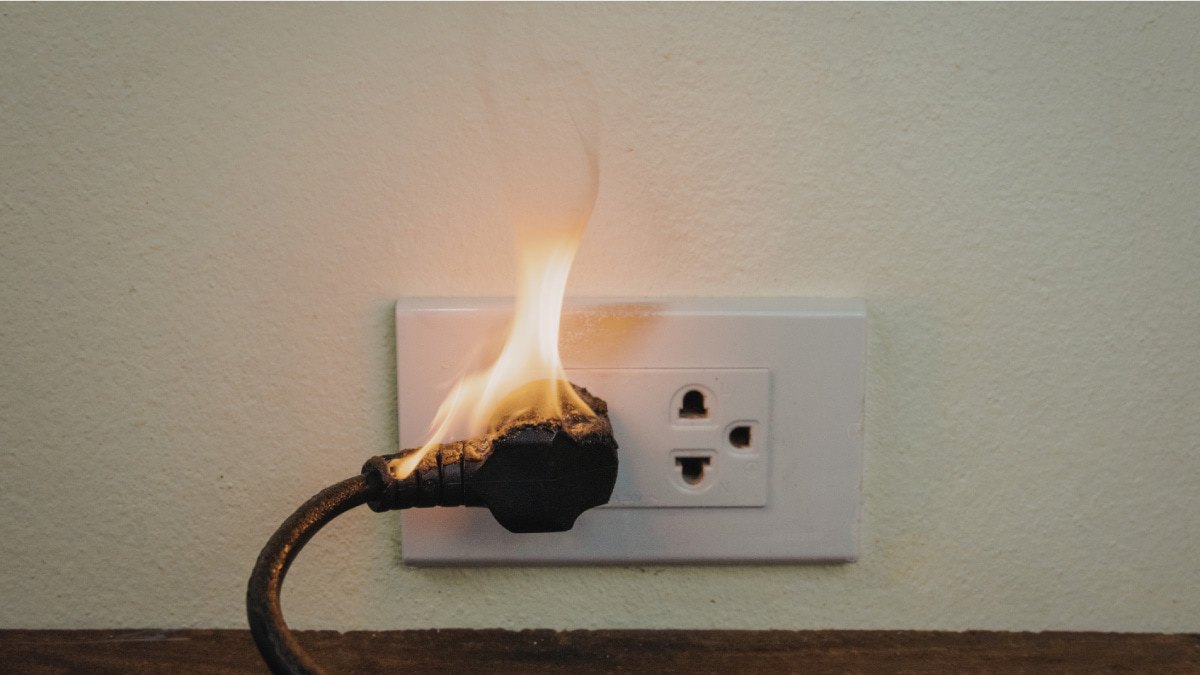
While most people are aware of the most obvious electrical dangers, there are several less apparent hazards that are often overlooked. One of the most common is the misuse of extension cords. Using indoor extension cords for outdoor applications, or overloading a single cord with multiple high power devices, can lead to overheating and fire.
Another frequently missed issue is outdated or faulty wiring within the walls of a home. This is especially true in older Iowa homes that may not have been updated to meet modern electrical codes. Signs of this can be subtle, such as flickering lights or a faint burning smell, but they indicate a serious underlying problem.
Additionally, homeowners often neglect to test their smoke and carbon monoxide detectors regularly. These life saving devices are your first line of defense in the event of a fire or other emergency. It is also important to be aware of the condition of your electrical panel. An outdated or overloaded panel can be a significant fire hazard.
Finally, many people do not realize the danger of placing flammable materials too close to heating sources, including space heaters and even vents from the central heating system. A simple lack of awareness of these hidden dangers can have severe consequences.
DIY Inspection Checklist
While a professional inspection is always recommended for a complete evaluation, there are several things you can do yourself to improve the electrical safety of your home. This checklist covers the most important areas to review:
- Check Your Electrical Cords: Examine all extension cords and appliance cords for signs of fraying, cracking, or other damage. Do not use any cords that are not in perfect condition.
- Test Your Outlets: Check for any outlets that are loose, warm to the touch, or show signs of discoloration. These are all indicators of a potential problem.
- Inspect Your Electrical Panel: Look for any signs of rust, moisture, or overheating. Make sure all breakers are clearly labeled.
- Test Your Detectors: Press the test button on all smoke and carbon monoxide detectors to ensure they are working properly. Replace batteries as needed.
- Review Your Lighting: Make sure you are using bulbs with the correct wattage for your light fixtures. Using a bulb with too high a wattage can cause overheating.
- Examine Your Outdoor Electrical System: Check for any damage to outdoor outlets, light fixtures, or wiring. Ensure all outdoor outlets are GFCI protected.
When to Call a Professional Electrician
While the DIY checklist is a good starting point, there are many situations where it is essential to call a professional electrician. If you notice any of the following issues, do not attempt to fix them yourself. Contact a qualified electrician immediately:
- Frequent Circuit Breaker Trips: If a circuit breaker trips repeatedly, it is a sign of an overloaded circuit or a more serious problem.
- Flickering or Dimming Lights: This can indicate a loose connection or a problem with your electrical service.
- A Burning Smell or Sparks: If you smell something burning from an outlet or your electrical panel, or if you see sparks, turn off the power at the main breaker and call for help.
- Outdated Wiring: If your home has old, cloth insulated wiring, it is a significant fire hazard and should be replaced by a professional.
- Major Electrical Work: Any major electrical work, such as installing a new circuit or upgrading your electrical panel, should always be done by a licensed electrician.
Frequently Asked Questions
1. How often should I have my electrical system inspected?
For most homes, a professional electrical inspection is recommended every three to five years. However, if you live in an older home or have recently purchased a new property, it is a good idea to have an inspection done sooner.
2. Are space heaters safe to use?
Space heaters can be used safely, but it is crucial to follow the manufacturer’s instructions. Never leave a space heater unattended, and keep it at least three feet away from any flammable materials.
3. What is the difference between a circuit breaker and a fuse?
Both circuit breakers and fuses are designed to interrupt the flow of electricity in the event of an overload or short circuit. However, a circuit breaker can be reset after it trips, while a fuse must be replaced.
4. What are GFCI outlets and where are they required?
GFCI (Ground Fault Circuit Interrupter) outlets are designed to protect against electrical shock. They are required in areas where moisture is present, such as bathrooms, kitchens, and outdoor locations.
5. What should I do if I lose power during a winter storm?
If you lose power, report the outage to your utility company. Never go near any downed power lines. Use flashlights for light, and avoid using candles, which are a fire hazard.