Key Takeaways:
- A home generator can provide a reliable source of backup power during an outage, ensuring your family’s comfort and safety.
- Proper installation and maintenance of a generator are critical for its safe and effective operation.
- Due to the complexities of electrical wiring and the risk of carbon monoxide poisoning, it is highly recommended that a licensed electrician handle the installation of a home generator.
For homeowners in Iowa, a power outage can be more than just an inconvenience. A summer thunderstorm or a winter ice storm can leave you without power for hours or even days. This can mean no lights, no refrigeration, and, most importantly, no heating or air conditioning.
A home generator is a powerful solution to this problem, providing a reliable source of backup power to keep your essential appliances and systems running during an outage. However, a generator is a powerful piece of equipment that must be installed and operated correctly to be safe.
This guide will provide you with the essential information you need to know about home generator installation and safety. We will cover the different types of generators available, how to choose the right size for your home, and the critical safety precautions you must take.
While some smaller, portable generators can be used with extension cords, a whole home standby generator must be professionally installed to be safe and effective. The expert electricians at Holt Plumbing have the experience and knowledge to help you select and install the perfect generator for your home, ensuring you are prepared for whatever the weather may bring.
Types of Generators
There are two main types of generators for home use: portable generators and standby generators.
- Portable Generators: These are the most common type of generator. They are smaller, less expensive, and can be moved around as needed. Portable generators are powered by gasoline and can be used to power a few essential appliances by running extension cords. They are a good option for temporary or emergency use.
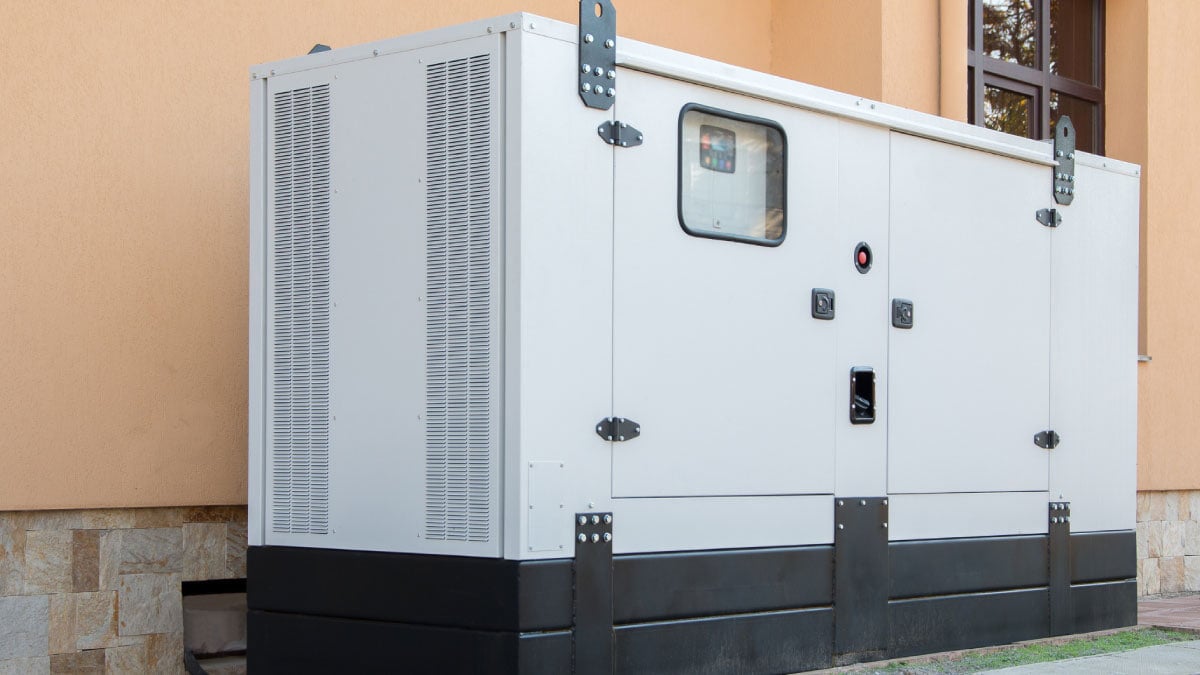
- Standby Generators: A standby generator is a permanent installation that is connected directly to your home’s electrical panel. These units are typically powered by natural gas or propane and are designed to turn on automatically when the power goes out. A standby generator can power your entire home, or just a few essential circuits, depending on its size.
Sizing a Generator for Your Home
Choosing the right size generator is crucial. A generator that is too small will not be able to power all your essential devices, while a generator that is too large will be inefficient and more expensive. To determine the correct size, you need to calculate the total wattage of the appliances you want to power. A professional electrician can perform a load calculation to help you select the perfect size generator for your needs.
Generator Placement and Ventilation
Proper placement of your generator is critical for safety. A generator produces carbon monoxide, a colorless, odorless gas that can be deadly. For this reason, a generator should never be operated inside your home, garage, or any enclosed space. It should be placed outdoors in a well ventilated area, at least 20 feet away from any doors, windows, or vents.
Transfer Switch Installation and Safety
If you have a standby generator, or if you want to use a portable generator to power your home’s circuits directly, you must have a transfer switch installed. A transfer switch is a device that safely connects your generator to your electrical panel. It prevents your generator from sending electricity back into the utility lines, which could be fatal to a utility worker trying to restore power. A transfer switch must be installed by a licensed electrician.
Frequently Asked Questions
1. Can I install a generator myself?
Due to the risk of electrical shock and carbon monoxide poisoning, it is strongly recommended that a licensed electrician install your home generator. This is especially true for a standby generator, which requires a connection to your home’s electrical panel and fuel source.
2. How often should I maintain my generator?
A generator should be maintained annually to ensure it is ready when you need it. This includes changing the oil, replacing the spark plug, and cleaning the air filter. It is also a good idea to start your generator every few months and let it run for a few minutes.
3. What is the difference between a manual and an automatic transfer switch?
A manual transfer switch requires you to manually start your generator and flip a switch to transfer power. An automatic transfer switch will detect a power outage, start your generator, and transfer power automatically, providing a seamless transition.
4. How long can a generator run?
The runtime of a generator depends on the size of its fuel tank and the load it is powering. A portable generator will typically run for 8 to 12 hours on a full tank of gas. A standby generator connected to a natural gas line can run indefinitely.
5. Is a generator noisy?
Generators do produce noise, but modern standby generators are often enclosed in a sound deadening case to reduce the noise level. The noise level of a generator is measured in decibels, and this information is usually provided by the manufacturer.