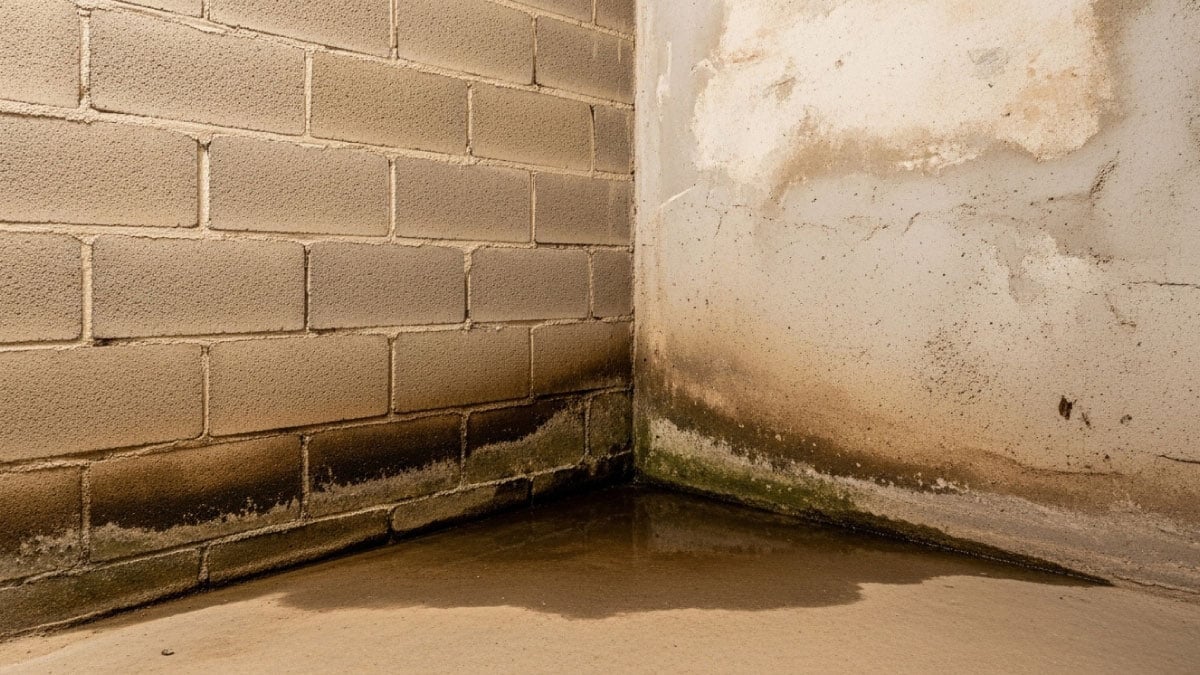
Basements are often the first place moisture problems show up, and in Iowa, spring and early summer create the perfect conditions for mold growth. As snowmelt and rain increase groundwater levels around Des Moines homes, humidity rises and hidden moisture issues can quickly turn into air quality problems.
Holt Plumbing & Heating, Inc. helps homeowners throughout the Des Moines area prevent basement moisture from turning into mold, structural damage, and unhealthy indoor air. Understanding how plumbing, HVAC, and drainage systems work together is key to keeping basements dry before humidity spikes.
Why Basements Are Especially Vulnerable in Iowa
Basements sit below ground level, where moisture pressure is highest. During spring and early summer, Iowa homes often experience:
- saturated soil around foundations
- rising groundwater
- heavy rainstorms
- thawing ground that shifts drainage paths
When water can’t drain properly away from your home, it finds its way inside, often through basements first.
How Basement Moisture Leads to Mold Problems
Mold needs three things to grow:
- moisture
- organic material (wood, drywall, dust)
- time
Basements often provide all three, especially when humidity rises and airflow is limited. Mold can begin growing in as little as 24–48 hours under the right conditions.
Once mold takes hold, it can spread spores throughout the home via HVAC airflow.
Common Sources of Basement Moisture
Plumbing Leaks and Drips
Even small plumbing leaks can introduce enough moisture to create mold risk. Common sources include:
- leaking supply lines
- slow drain leaks
- water heater connections
- washing machine hoses
- condensate drain issues
These leaks are often hidden behind walls or near floor drains.
Sump Pump Issues
A failing or undersized sump pump can’t keep up with spring runoff, leading to:
- standing water in the sump pit
- seepage through foundation walls
- damp floors and baseboards
Sump pump failure is one of the most common causes of basement moisture in Des Moines homes.
Foundation Seepage
Water can enter through:
- hairline foundation cracks
- porous concrete
- window wells
- gaps around utility penetrations
This type of moisture may not be obvious at first, but it raises humidity levels significantly.
Poor Drainage or Downspout Placement
If gutters and downspouts direct water too close to the foundation, rainwater can collect around basement walls and seep inside.
How HVAC Systems Affect Basement Moisture
Many homeowners don’t realize their HVAC system plays a major role in basement humidity control.
Limited Airflow in Basements
Basements often have:
- fewer supply vents
- limited return air paths
- poor circulation
Without proper airflow, moist air lingers and humidity builds up.
AC Systems and Dehumidification
Your air conditioner removes moisture from the air, but only when it’s running properly and long enough.
Problems arise when:
- AC units are oversized and short-cycle
- coils are dirty
- airflow is restricted
- ductwork doesn’t reach the basement effectively
These issues reduce moisture removal and allow humidity to rise.
Furnace and Ductwork Concerns
Leaky ductwork in basements can pull in damp air and distribute it throughout the home. That moisture can worsen indoor air quality upstairs.
Holt Plumbing & Heating evaluates ductwork and airflow as part of a full moisture-control strategy.
Warning Signs of Mold-Friendly Conditions
You don’t need visible mold to have a problem. Early warning signs include:
- musty odors
- damp or cool air feeling
- condensation on basement walls or pipes
- peeling paint or efflorescence
- allergy symptoms that worsen at home
- visible water staining
If you notice these signs, moisture control should be addressed quickly.
How Plumbing and HVAC Work Together to Prevent Mold
Preventing mold isn’t about one system, it’s about coordination.
Plumbing Helps by:
- preventing leaks
- controlling groundwater through sump pumps
- ensuring proper drainage
- maintaining water heaters and drain lines
HVAC Helps by:
- regulating airflow
- controlling humidity
- filtering airborne spores
- maintaining balanced temperatures
Holt Plumbing & Heating provides both plumbing and HVAC services, allowing problems to be solved holistically rather than piecemeal.
Steps Homeowners Can Take to Reduce Basement Moisture
Fix Plumbing Issues Promptly
Even small drips should be addressed before humidity rises. Leak detection can catch hidden problems early.
Test and Maintain the Sump Pump
Spring is the time to:
- test the pump
- clean the pit
- check the discharge line
- consider a backup system
Improve Basement Airflow
Make sure vents aren’t blocked and air can circulate. In some cases, additional ductwork or balancing may be needed.
Control Indoor Humidity
Humidity control solutions, including whole-home dehumidification, can significantly reduce mold risk.
Keep Drains Clear
Floor drains should be clean and flowing properly to handle excess water during storms.
When to Call a Professional About Basement Moisture
Professional help is recommended if:
- basement humidity stays high
- musty odors persist
- water appears after rain
- mold has been spotted before
- sump pump struggles during storms
- HVAC system doesn’t seem to control moisture
Holt’s licensed technicians can identify moisture sources and recommend solutions tailored to Iowa homes.
How Holt Helps Protect Basements and Indoor Air
Holt Plumbing & Heating offers comprehensive services to prevent moisture-related problems, including:
- leak detection and plumbing repair
- sump pump installation and service
- drain and sewer evaluations
- HVAC maintenance and airflow improvements
- indoor air quality solutions
- humidity control systems
With decades of experience in Des Moines, Holt understands how local conditions impact basements year-round.
Why Early Action Matters Before Humidity Rises
Once summer humidity sets in, moisture problems escalate quickly. Mold growth, musty air, and poor indoor air quality become harder and more expensive to fix.
Taking action in spring helps protect:
- your home’s structure
- your indoor air quality
- your family’s health
- your HVAC system’s efficiency
Keep Mold Out Before It Has a Chance
Basement moisture is one of the most common and preventable causes of mold in Iowa homes. Addressing plumbing issues, improving HVAC performance, and controlling humidity now can keep your home dry and healthy all year.
Call Holt Plumbing & Heating today to schedule fast, reliable basement moisture and plumbing service in Des Moines.
Need expert help now? Contact Holt for same-day plumbing, HVAC, and indoor air quality solutions.
Schedule your appointment with Holt Plumbing & Heating and experience the service Des Moines homeowners trust.