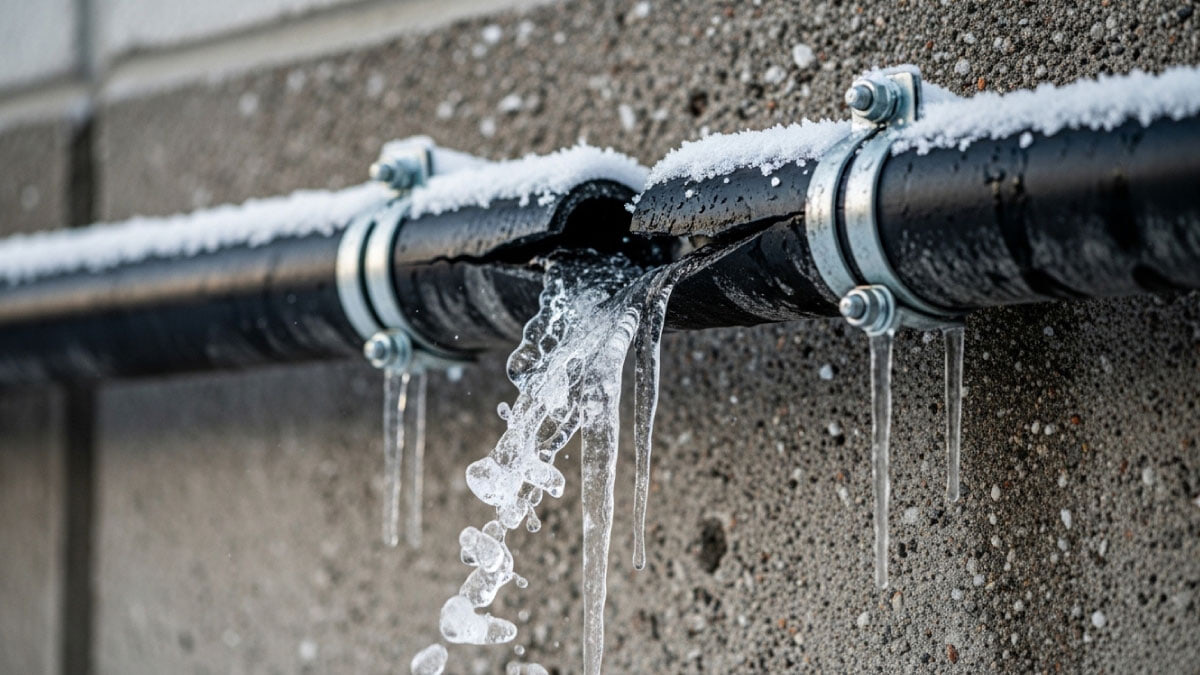
Winter in Iowa isn’t mild. Subzero temperatures, strong winds, heavy snow, and sudden cold snaps can put serious strain on your home’s plumbing system. When temperatures drop quickly, pipes can freeze, water heaters work harder, and small vulnerabilities can turn into costly emergencies.
Holt Plumbing & Heating, Inc. has proudly served the greater Des Moines area for decades, providing reliable plumbing, heating, and cooling solutions backed by exceptional customer care and craftsmanship. For homeowners in Des Moines, West Des Moines, Urbandale, Waukee, Ankeny, and Clive, preparing your plumbing system before winter arrives is one of the smartest steps you can take to protect your home.
Here’s a practical, homeowner-focused guide to getting your plumbing ready for Iowa’s harsh winter conditions.
Why Iowa Winters Are Hard on Plumbing Systems
Iowa’s winter climate creates unique risks for plumbing systems due to:
- Extended periods below freezing
- Rapid temperature swings
- Freeze-thaw soil movement
- Heavy snow accumulation
- Ice buildup around foundations
When water freezes inside pipes, it expands. That expansion increases pressure inside the pipe walls. Even a small amount of frozen water can cause pipes to crack or burst.
The damage often isn’t discovered until temperatures rise and the ice melts — releasing water into walls, ceilings, or basements.
Preparation is far less expensive than repair.
Insulate Exposed Pipes
One of the simplest and most effective winter-prep steps is insulating exposed pipes.
Pipes most vulnerable to freezing include:
- Basement pipes along exterior walls
- Garage plumbing
- Crawl space pipes
- Outdoor hose bib lines
Foam pipe insulation sleeves are inexpensive and easy to install. For areas that experience extreme cold, additional heat tape may be recommended.
Proper insulation reduces heat loss and lowers the risk of freezing during subzero nights in Des Moines.
Disconnect and Drain Outdoor Hoses
Outdoor spigots are common freeze points.
Before the first hard freeze:
- Disconnect garden hoses
- Drain any remaining water
- Shut off interior supply valves (if available)
- Drain exterior lines
Leaving hoses connected traps water inside the spigot, increasing the likelihood of pipe damage inside the wall.
This small step can prevent major winter plumbing repairs.
Seal Air Leaks Around Plumbing
Cold air entering through cracks or gaps can freeze nearby pipes.
Check for gaps around:
- Pipe penetrations in walls
- Basement rim joists
- Utility entry points
- Garage door seals
Sealing these areas with insulation or caulk reduces exposure to freezing air.
Homes in older Des Moines neighborhoods may have more air leakage due to aging materials.
Service Your Water Heater
Water heaters work harder during winter because incoming groundwater temperatures are much colder.
Before winter arrives:
- Flush sediment from the tank
- Check for corrosion
- Inspect temperature settings
- Ensure proper insulation
Iowa’s hard water can cause mineral buildup, reducing efficiency and increasing heating time.
Professional inspection ensures reliable hot water when you need it most.
Test Your Sump Pump
Winter isn’t just about frozen pipes. Snowmelt and ice accumulation can cause basement flooding.
Test your sump pump before winter by:
- Pouring water into the basin
- Confirming automatic activation
- Checking discharge lines for blockages
Frozen discharge lines are common in Iowa. Ensure water can exit freely away from your foundation.
If your sump pump is over 8–10 years old, winter is a smart time to consider replacement or battery backup installation.
Keep Cabinet Doors Open During Cold Snaps
During extreme cold, interior cabinet plumbing — especially under kitchen sinks — may be vulnerable.
Opening cabinet doors allows warm air to circulate around pipes.
This is particularly helpful for pipes located along exterior walls.
Let Faucets Drip During Extreme Freezes
When temperatures drop dramatically, allowing faucets to drip slightly keeps water moving through pipes.
Moving water is less likely to freeze.
While this may slightly increase water usage, it can prevent costly burst pipe damage during severe cold snaps.
Know the Location of Your Main Water Shut-Off Valve
In the event of a burst pipe, shutting off water quickly minimizes damage.
Locate your main shut-off valve before winter and ensure:
- It is accessible
- It turns properly
- Everyone in the household knows where it is
Quick action can prevent widespread water damage.
Watch for Warning Signs of Frozen Pipes
Early detection can limit damage.
Signs of frozen pipes include:
- Little or no water flow
- Frost on exposed pipes
- Unusual odors from drains
- Unexplained damp spots
If you suspect a frozen pipe, do not use open flame to thaw it. Professional assistance is safest.
Need expert help now? Contact Holt for same-day plumbing or HVAC solutions.
Maintain Consistent Indoor Temperature
Even when away from home, maintain indoor temperatures above 55°F.
Lowering the thermostat too much while traveling increases the risk of freezing.
If you plan to leave for extended periods during winter, consider:
- Draining vulnerable lines
- Asking a neighbor to check your home
- Installing smart temperature monitoring
Iowa weather can change quickly. Prevention is critical.
Inspect Basement and Crawl Spaces
Unfinished areas are more prone to freezing.
Check for:
- Poor insulation
- Drafts
- Unprotected piping
- Standing water
Moisture combined with cold air increases plumbing risk.
Professional inspection can identify weak points before freezing temperatures arrive.
Prepare Plumbing During Home Renovations
If you’re remodeling bathrooms or kitchens, winter prep is even more important.
Open walls expose pipes to colder air, increasing freeze risk.
Ensure temporary insulation is installed during construction.
Don’t Forget About Your HVAC System
Your plumbing and heating systems work together in winter.
A furnace failure can quickly lead to frozen pipes. Annual furnace maintenance helps prevent heating outages during critical cold periods.
Holt Plumbing & Heating provides heating, plumbing, and indoor air quality services to ensure your entire comfort system is ready for winter.
A Realistic Iowa Winter Scenario
A sudden cold snap hits Ankeny in January. Overnight temperatures fall below zero.
A poorly insulated pipe along an exterior basement wall freezes and cracks. Days later, warmer temperatures melt the ice, releasing water behind drywall.
The result: water damage, mold remediation, and costly repairs.
Simple insulation and seasonal inspection could have prevented the issue.
Frequently Asked Questions About Winter Plumbing Prep
When should I start preparing for winter?
Late fall is ideal, before sustained freezing temperatures begin.
Are frozen pipes covered by insurance?
Coverage varies, but prevention is always less expensive than repair.
How often should I test my sump pump in winter?
Before the season begins and periodically if heavy snow accumulates.
Is pipe insulation expensive?
No. It’s one of the most affordable preventive measures available.
Protect Your Home Before Temperatures Drop
Iowa winters are tough, but your plumbing system doesn’t have to suffer through them unprotected. A few proactive steps — insulating pipes, servicing your water heater, testing your sump pump, and sealing air leaks — can dramatically reduce the risk of frozen pipes and water damage.
Preparation brings peace of mind when temperatures fall and storms roll through Central Iowa.
Call Holt Plumbing & Heating today to schedule fast, reliable service in Des Moines. Schedule your appointment with Holt Plumbing & Heating and experience the trusted local expertise that keeps Iowa homes safe, warm, and protected all winter long.