Des Moines is home to many beautiful, established neighborhoods filled with character and history. From classic bungalows to mid-century ranch homes, older properties offer charm that newer builds sometimes lack. But behind those walls, aging electrical systems may be working harder than they were ever designed to.
Holt Plumbing & Heating, Inc. has proudly served the greater Des Moines area for decades, providing reliable plumbing, heating, and cooling solutions backed by exceptional customer care and craftsmanship. For homeowners in Des Moines, West Des Moines, Urbandale, Waukee, Ankeny, and Clive, understanding common electrical issues in older homes is essential for safety, efficiency, and long-term reliability.
If your home is 30, 40, or even 70 years old, here’s what you should know.
Why Older Homes Face Electrical Challenges
Electrical systems installed decades ago were designed for a very different lifestyle.
In the 1950s or 1960s, homes didn’t power:
- Large HVAC systems
- Multiple televisions
- High-capacity kitchen appliances
- Home offices
- EV chargers
- Smart home technology
Today’s energy demand is significantly higher. When older wiring and panels attempt to support modern usage, problems can develop.
Iowa’s seasonal temperature swings can also contribute to electrical wear, especially in unfinished basements or attics where wiring is exposed to fluctuating conditions.
Outdated Electrical Panels
One of the most common issues in older Des Moines homes is an outdated electrical panel.
Older panels may:
- Have limited amperage (60–100 amps)
- Lack available breaker space
- Use outdated fuse systems
- Be prone to tripping
Modern homes often require 200-amp service to safely support HVAC systems, water heaters, kitchen appliances, and additional electronics.
Frequent breaker trips are often a sign that your panel is overloaded.
Insufficient Electrical Capacity
If your lights dim when appliances turn on, or breakers trip when multiple devices run at once, your home may lack sufficient electrical capacity.
Common symptoms include:
- Flickering lights
- Warm outlets
- Buzzing sounds from the panel
- Extension cord overuse
- Limited outlet availability
Overloaded circuits can increase fire risk and damage sensitive electronics.
Outdated Wiring Materials
Some older homes in Des Moines may still contain outdated wiring types.
Knob-and-Tube Wiring
Common in homes built before the 1940s, knob-and-tube wiring:
- Lacks grounding
- Was not designed for modern electrical loads
- Can deteriorate over time
Aluminum Wiring
Installed in some homes during the 1960s and 1970s, aluminum wiring can loosen at connections and create overheating risks if not properly maintained.
If your home contains older wiring materials, inspection is strongly recommended.
Lack of Grounded Outlets
Older homes often have two-prong outlets without grounding.
Grounding provides protection against electrical surges and shocks. Without it, appliances and electronics may not be properly protected.
Signs of outdated outlets include:
- Two-prong receptacles
- Loose plug connections
- Lack of GFCI outlets in kitchens and bathrooms
Upgrading outlets improves both safety and functionality.
Missing GFCI and AFCI Protection
Modern electrical codes require:
- GFCI outlets in kitchens, bathrooms, garages, and basements
- AFCI protection in living areas
Older homes may lack these protective devices.
GFCI outlets prevent shock in moisture-prone areas. AFCI devices reduce fire risk caused by electrical arcing.
Upgrading these protections enhances household safety.
Overloaded Circuits
When homes were originally wired, fewer outlets were installed. Today, extension cords and power strips often compensate.
Overloaded circuits can cause:
- Frequent breaker trips
- Warm outlets
- Burning smells
- Increased fire risk
Adding dedicated circuits for large appliances, HVAC systems, and home offices improves reliability.
Aging Electrical Components
Electrical systems naturally wear over time.
In older Des Moines homes, you may find:
- Brittle wiring insulation
- Loose connections
- Corroded breaker contacts
- Aging service cables
Moisture in basements can accelerate corrosion, especially in Iowa’s humid summers.
Routine inspection identifies deterioration before it becomes dangerous.
Improper DIY Modifications
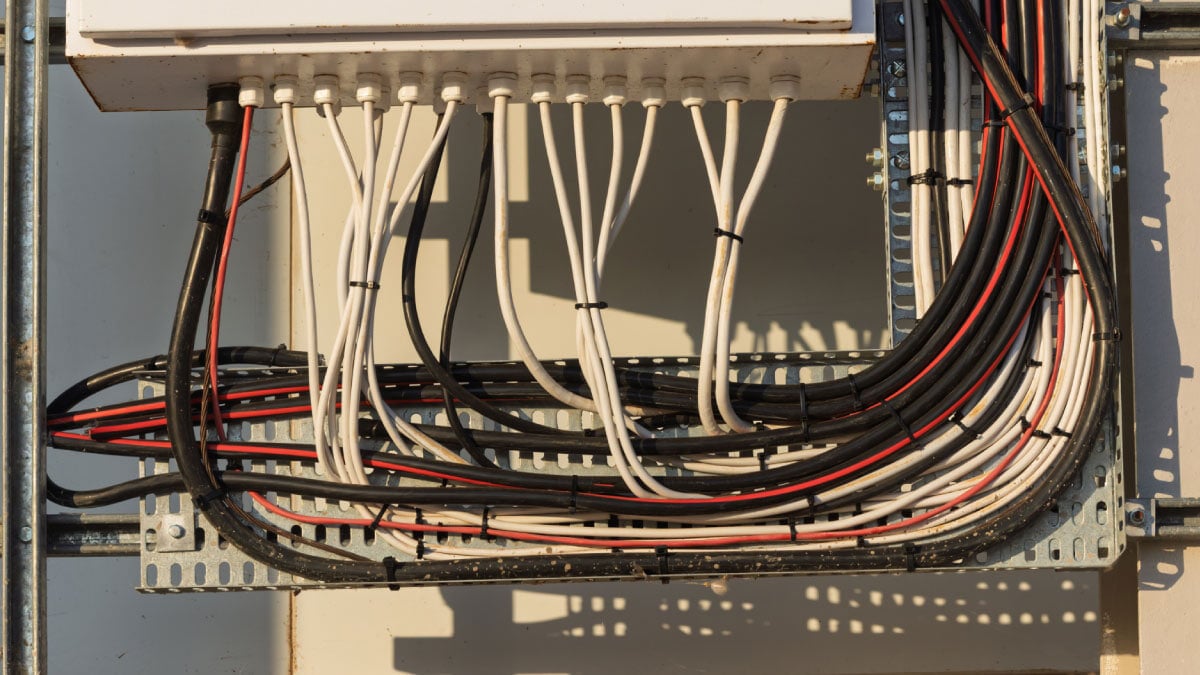
Over decades, some homes accumulate patchwork repairs or DIY electrical modifications.
Warning signs include:
- Mismatched wiring
- Open junction boxes
- Unsupported wiring
- Spliced connections without proper enclosures
Even well-intentioned repairs can create safety hazards if not completed according to code.
Insufficient Outlets for Modern Living
Older homes were not designed for today’s technology needs.
If you rely heavily on:
- Power strips
- Extension cords
- Multi-plug adapters
Your home may need additional outlet installation.
Upgrading electrical infrastructure reduces overload risk and improves daily convenience.
Electrical Issues That Affect HVAC and Plumbing Systems
Electrical reliability isn’t just about lights and outlets. It also affects:
- Furnace operation
- Air conditioning systems
- Sump pumps
- Water heaters
- Whole-home generators
Aging electrical panels can struggle to support modern heating and cooling systems, especially during peak winter or summer demand.
Because Holt Plumbing & Heating provides plumbing, heating, cooling, and electrical support, we understand how these systems work together inside your home.
Need expert help now? Contact Holt for same-day plumbing or HVAC solutions.
Warning Signs You Shouldn’t Ignore
If you notice any of the following, schedule professional evaluation:
- Frequent breaker trips
- Burning smells near outlets
- Warm switch plates
- Buzzing sounds from the panel
- Sparks when plugging in devices
- Visible corrosion inside panel
- Flickering lights throughout the home
Electrical problems can escalate quickly. Early detection prevents costly repairs and safety hazards.
Why Electrical Upgrades Increase Home Value
Modern electrical upgrades offer more than safety. They also:
- Improve energy efficiency
- Support future renovations
- Increase resale appeal
- Allow installation of smart home technology
- Support electric vehicle charging
Buyers increasingly expect modern electrical capacity, especially in established neighborhoods.
Preparing Older Homes for Modern Demand
Upgrading electrical systems may include:
- Panel replacement
- Circuit additions
- Outlet upgrades
- GFCI and AFCI installation
- Whole-home surge protection
A professional evaluation determines what improvements are necessary for your specific home.
In many cases, phased upgrades allow homeowners to prioritize safety improvements first.
A Realistic Des Moines Scenario
A homeowner in a 1960s ranch home in Urbandale experienced frequent breaker trips whenever the air conditioner and microwave ran simultaneously.
Inspection revealed an outdated 100-amp panel struggling to handle modern demand. Upgrading to a 200-amp panel eliminated overload issues and improved system reliability.
Electrical upgrades often solve multiple frustrations at once.
How Often Should Older Homes Be Inspected?
If your home is over 30 years old and hasn’t had a recent electrical evaluation, inspection is wise.
You should also schedule evaluation if:
- You’re remodeling
- You’re adding major appliances
- You’re installing a generator
- You’ve purchased an older home
Preventive evaluation reduces risk and improves peace of mind.
Protecting Your Home for the Long Term
Electrical systems are the backbone of modern comfort. From heating systems in winter to air conditioning in summer, nearly every essential function depends on safe, reliable power.
In older Des Moines homes, outdated wiring and panels may not meet today’s demands. Addressing these issues proactively protects your investment and ensures safe operation for years to come.
Call Holt Plumbing & Heating today to schedule fast, reliable service in Des Moines. Schedule your appointment with Holt Plumbing & Heating and experience the trusted expertise that keeps Iowa homes safe, efficient, and prepared for the future.