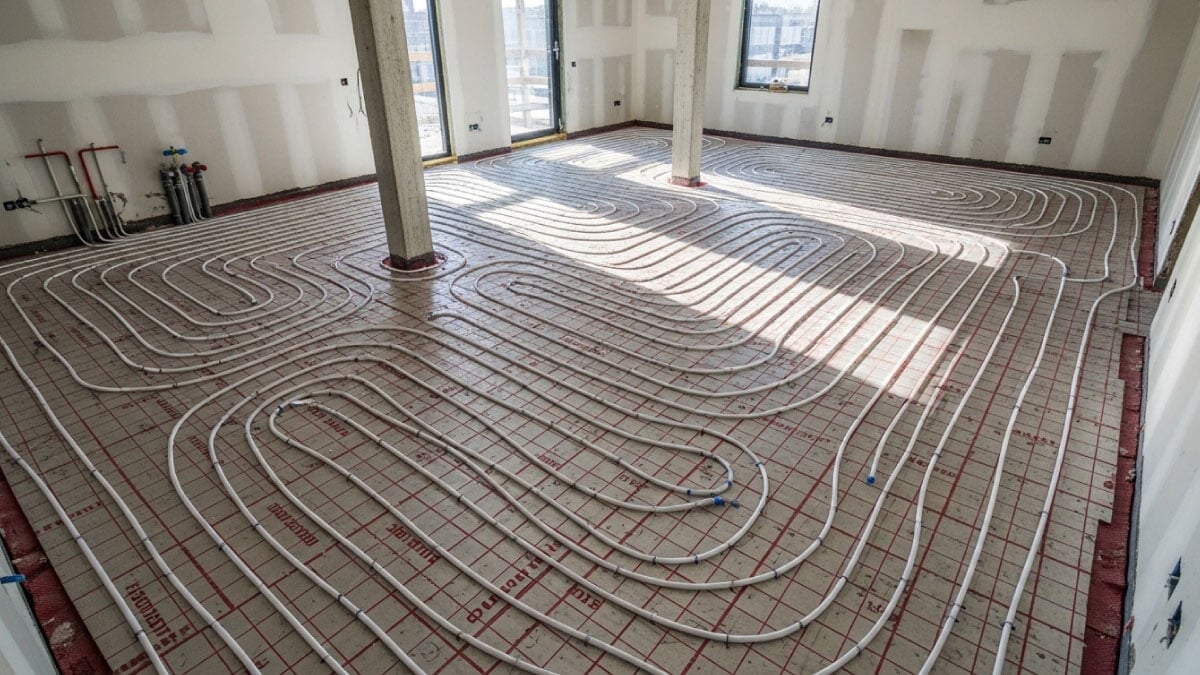
Heating and cooling systems in Iowa face serious demands. Subzero wind chills in January. Humid 90-degree afternoons in July. Rapid temperature swings in spring and fall. Your HVAC system works hard nearly every month of the year.
As energy costs continue to rise, many homeowners in Central Iowa are exploring long-term solutions that offer efficiency, durability, and steady comfort. One system that continues to gain attention is geothermal heating and cooling.
Holt Plumbing & Heating, Inc. has proudly served the greater Des Moines area for decades, providing reliable plumbing, heating, and cooling solutions backed by exceptional customer care and craftsmanship. If you live in Des Moines, West Des Moines, Urbandale, Waukee, Ankeny, or Clive, understanding how geothermal works — and whether it makes sense for your property — can help you make an informed decision.
What Is Geothermal Heating and Cooling?
Geothermal systems use the earth’s stable underground temperature to heat and cool your home. While Iowa’s outdoor air temperature fluctuates dramatically, the temperature just a few feet below the surface remains relatively constant year-round — typically around 50 to 55 degrees Fahrenheit.
Rather than generating heat like a gas furnace or relying on hot outdoor air like a traditional AC unit, geothermal systems transfer heat between your home and the ground.
That heat transfer process is what makes geothermal systems so efficient and dependable in extreme climates like ours.
How Does a Geothermal System Work?
A geothermal HVAC system includes three primary components:
- A ground loop system buried underground
- An indoor heat pump unit
- A duct system that distributes conditioned air
During Winter
In cold weather, the liquid circulating through the underground pipes absorbs heat stored in the earth. The heat pump inside your home concentrates that warmth and distributes it through your ductwork.
Even when the air outside is below zero, the ground temperature remains much warmer than the surrounding air. That consistency gives geothermal a major advantage during Iowa winters.
During Summer
In warm weather, the system reverses direction. It pulls heat from inside your home and transfers it into the cooler ground.
Because the earth is cooler than the summer air, the system can remove indoor heat efficiently without working as hard as a conventional air conditioner.
Why Geothermal Performs Well in Iowa
Iowa’s climate is built around extremes — and geothermal systems are designed for stability.
Consistent Heating in Subzero Temperatures
Unlike air-source heat pumps that can lose efficiency during extreme cold, geothermal systems rely on stable underground temperatures. That makes them dependable during extended winter cold snaps in Des Moines.
Efficient Cooling During Humid Summers
Humidity is often the real challenge in Iowa summers. Geothermal systems provide longer, steady cooling cycles that help remove excess moisture from indoor air, improving overall comfort.
Reduced Mechanical Strain
Traditional systems ramp up and down depending on outdoor air temperatures. Geothermal systems operate under more consistent conditions, which can reduce wear and tear over time.
Types of Geothermal Loop Systems
The ground loop is one of the most important parts of a geothermal system. There are three common configurations.
Horizontal Loops
These are installed in trenches across a property. They require more yard space and are often used in homes with larger lots.
Vertical Loops
Vertical systems are drilled deep into the ground, often 150 to 400 feet. These are ideal for smaller lots in established neighborhoods throughout Des Moines and surrounding communities.
Pond or Lake Loops
If a property includes access to a pond or lake, loops may be installed underwater. This option depends entirely on site conditions.
The best configuration depends on soil composition, available space, and your home’s heating and cooling load.
What Homeowners Should Consider Before Installing Geothermal
Geothermal is a long-term investment. Before installation, it’s important to evaluate:
- Property size and layout
- Soil and drilling conditions
- Budget and financing options
- Length of time you plan to remain in your home
Because installation requires excavation or drilling, upfront costs are higher than replacing a traditional furnace and air conditioner.
However, many homeowners find that long-term efficiency and energy savings offset the initial investment over time.
What Are the Benefits of Geothermal Systems?
Lower Energy Consumption
Geothermal systems transfer heat instead of creating it. That process uses less energy compared to combustion-based heating systems.
Long Equipment Lifespan
Ground loops can last several decades. Indoor heat pump units often last 20–25 years with proper maintenance.
Quiet Operation
Without an outdoor condenser unit, geothermal systems operate quietly. That means no outdoor fan noise during summer.
Stable Indoor Temperatures
Because geothermal systems operate more consistently, they reduce temperature swings inside the home.
Reduced Environmental Impact
Geothermal systems lower greenhouse gas emissions by reducing fossil fuel usage.
Does Geothermal Require Maintenance?
Yes — though the maintenance is generally straightforward.
Annual service typically includes:
- Electrical inspection
- Loop pressure testing
- Airflow evaluation
- Filter replacement
- System performance checks
Even efficient systems benefit from routine inspection to ensure long-term reliability.
Need expert help now? Contact Holt for same-day plumbing or HVAC solutions.
Is Geothermal Right for Every Home?
Geothermal is not a one-size-fits-all solution.
It may be a strong choice if:
- You plan to stay in your home long-term
- You want greater energy efficiency
- Your property allows loop installation
- You’re looking for a durable, long-term system
It may be less practical if lot size or soil conditions limit installation options.
A professional evaluation can determine feasibility and expected performance.
How Geothermal Supports Whole-Home Comfort
Heating and cooling systems do not operate in isolation. For maximum comfort, geothermal should be paired with:
- Proper attic insulation
- Sealed and balanced ductwork
- Smart thermostat control
- Indoor air quality solutions
- Efficient plumbing systems
At Holt Plumbing & Heating, we look at your home as a complete system — not just one piece of equipment.
A Realistic Iowa Example
A homeowner in Waukee struggled with uneven heating and rising natural gas costs during harsh winters. After evaluating options, they chose geothermal installation.
The results included:
- More consistent temperatures
- Reduced monthly energy costs
- Improved humidity control in summer
- Quieter system operation
While installation required planning, the long-term performance delivered dependable comfort through every Iowa season.
Frequently Asked Questions About Geothermal Heating in Iowa
Does geothermal work during extreme cold?
Yes. Because it relies on underground temperatures, performance remains stable even when outdoor air temperatures fall well below freezing.
How long does installation take?
Installation time varies depending on loop type and drilling requirements.
Can geothermal replace both furnace and AC?
Yes. A single geothermal system provides both heating and cooling.
Are incentives available?
Federal and regional incentives may apply to qualifying systems depending on current programs.
A Long-Term Approach to Comfort in Iowa
Iowa weather is unpredictable, but your home comfort doesn’t have to be. Geothermal heating and cooling offer a steady, efficient alternative to traditional systems that must constantly react to extreme outdoor air temperatures.
With longer equipment lifespans, quieter operation, and improved efficiency, geothermal can be a smart long-term investment for many homeowners in Des Moines and surrounding communities.
As a family-owned and operated Iowa business with decades of experience, Holt understands the demands our climate places on heating and cooling systems. Our licensed and insured team can evaluate your property, answer your questions, and help you determine whether geothermal is the right solution for your home.
Call Holt Plumbing & Heating today to schedule fast, reliable service in Des Moines. Schedule your appointment with Holt Plumbing & Heating and experience the craftsmanship and customer care Iowa homeowners trust year after year.