When Iowa homeowners think about heating and cooling their homes, traditional furnaces and air conditioners usually come to mind first. But as energy costs continue to rise and homeowners look for more efficient solutions, geothermal heating and cooling systems are becoming an increasingly popular option.
If you’ve heard about geothermal systems but aren’t sure whether they’re worth the investment, you’re not alone. Many Des Moines homeowners are curious about the technology and whether it makes sense for Iowa’s climate.
In this guide, we’ll explain how geothermal heating and cooling works, the benefits and drawbacks, and what homeowners in Des Moines should consider before making the switch.
What Is Geothermal Heating and Cooling?
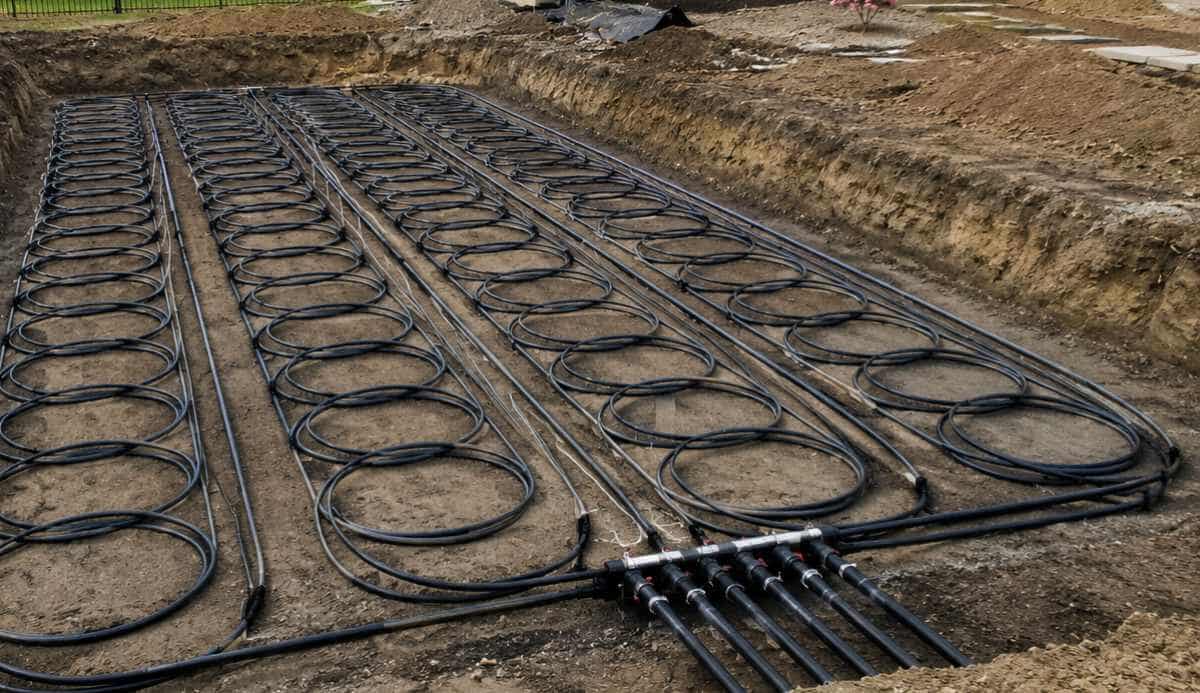
Geothermal heating and cooling uses the stable temperature beneath the earth’s surface to heat and cool your home. Unlike traditional HVAC systems that rely on outdoor air temperatures, geothermal systems exchange heat with the ground through a network of underground pipes called ground loops.
A geothermal heat pump transfers heat from the earth into your home during the winter and removes heat from your home during the summer.
Because underground temperatures remain relatively constant throughout the year, geothermal systems operate much more efficiently than conventional heating and cooling equipment.
How Does a Geothermal System Work?
The process is surprisingly straightforward.
During Winter
When outdoor temperatures in Des Moines drop below freezing, the ground several feet below the surface remains relatively stable. The geothermal system absorbs this stored heat and transfers it into your home.
During Summer
When Iowa’s hot and humid summer weather arrives, the system reverses the process. Excess heat from inside your home is transferred into the ground, helping keep indoor temperatures comfortable.
The main components of a geothermal system include:
- Underground ground loops
- Geothermal heat pump
- Air distribution system
- Thermostat controls
Because the system uses renewable energy stored in the earth, it requires significantly less energy to operate than traditional heating and cooling equipment.
Why Are More Homeowners Considering Geothermal Systems?
Homeowners are increasingly focused on energy efficiency, long-term savings, and environmental impact.
Geothermal systems offer several advantages that appeal to homeowners looking for a long-term investment in home comfort.
Exceptional Energy Efficiency
One of the biggest reasons homeowners choose geothermal is efficiency.
According to the U.S. Department of Energy, geothermal heat pumps can reduce energy consumption by up to 50% compared to conventional heating and cooling systems.
Because the system doesn’t need to generate heat through combustion or fight against extreme outdoor temperatures, it uses far less electricity.
For Des Moines homeowners who experience both cold winters and humid summers, this efficiency can lead to substantial utility savings.
Lower Monthly Utility Bills
Although installation costs are higher, geothermal systems often produce noticeable savings on monthly energy bills.
Many homeowners see reductions in:
- Heating costs
- Cooling costs
- Water heating expenses when integrated with certain geothermal setups
Over time, these savings can offset a significant portion of the initial installation investment.
Longer Equipment Lifespan
Traditional HVAC systems generally last:
- Furnaces: 15 to 20 years
- Air conditioners: 10 to 15 years
Geothermal systems often last much longer.
Typical lifespans include:
- Ground loops: 50 years or more
- Indoor heat pumps: 20 to 25 years
This longevity can make geothermal a smart long-term investment for homeowners planning to stay in their homes for many years.
Environmentally Friendly Operation
Geothermal systems produce fewer greenhouse gas emissions than conventional heating systems.
Because they rely on renewable thermal energy from the earth, they reduce dependence on fossil fuels and help lower a home’s overall carbon footprint.
For environmentally conscious homeowners, geothermal offers one of the most sustainable heating and cooling solutions available.
Is Geothermal a Good Fit for Iowa’s Climate?
Yes. In fact, Iowa’s climate is one of the reasons geothermal systems perform so well here.
Cold Winters
Des Moines winters can bring prolonged periods of freezing temperatures, snow, and icy conditions. Traditional heat pumps can lose efficiency when outdoor temperatures drop significantly.
Geothermal systems don’t face that challenge because they rely on stable underground temperatures rather than outdoor air.
Hot, Humid Summers
Iowa summers often include:
- High humidity
- Temperatures in the 80s and 90s
- Extended cooling demands
Geothermal systems provide consistent cooling performance even during the hottest parts of the season.
The result is reliable comfort year-round without the efficiency swings seen in many traditional HVAC systems.
What Are the Downsides of Geothermal Heating and Cooling?
While geothermal offers many benefits, it is not the right solution for every home.
Higher Upfront Installation Costs
The biggest obstacle for most homeowners is the initial investment.
Installing a geothermal system requires:
- Specialized equipment
- Ground loop installation
- Excavation or drilling
Depending on the property and system design, installation costs are often significantly higher than a traditional furnace and air conditioner replacement.
However, federal tax incentives and utility rebates may help offset a portion of the cost.
Property Requirements
Not every property is ideally suited for geothermal installation.
Factors that affect feasibility include:
- Lot size
- Soil conditions
- Landscaping considerations
- Underground utility locations
A professional evaluation is necessary to determine the best ground loop design for a specific property.
Longer Return on Investment
Because installation costs are higher, it can take several years before energy savings fully recover the initial investment.
For homeowners planning to move in the near future, geothermal may not provide the same financial advantage as it does for long-term homeowners.
What Homeowners Need to Know Before Installing a Geothermal System
Before investing in geothermal technology, homeowners should consider several important factors.
Home Energy Efficiency Matters
The more energy-efficient your home is, the better your geothermal system will perform.
Consider:
- Proper insulation
- Air sealing
- Energy-efficient windows
- Ductwork condition
Improving these areas may reduce system size requirements and increase overall savings.
Professional System Design Is Critical
Geothermal systems are not one-size-fits-all.
Proper design requires evaluating:
- Home size
- Heating and cooling loads
- Property layout
- Soil characteristics
Working with experienced HVAC professionals helps ensure the system delivers maximum performance and efficiency.
Incentives May Be Available
Federal tax credits and energy efficiency programs can significantly reduce installation costs.
Available incentives change periodically, so homeowners should check current programs before moving forward with a project.
How Does Geothermal Compare to Traditional HVAC Systems?
Geothermal vs. Furnace and Air Conditioner
| Feature | Geothermal System | Traditional HVAC |
| Energy Efficiency | Very High | Moderate |
| Operating Costs | Lower | Higher |
| Installation Cost | Higher | Lower |
| Equipment Lifespan | Longer | Shorter |
| Environmental Impact | Lower | Higher |
| Maintenance Needs | Generally Lower | Moderate |
For homeowners focused on long-term savings and sustainability, geothermal often provides significant advantages.
For those seeking the lowest upfront cost, a conventional HVAC system may still be the preferred choice.
Conclusion: Is Geothermal Heating and Cooling Worth It in Des Moines?
For many homeowners, the answer is yes.
Geothermal systems offer exceptional efficiency, lower utility costs, long equipment life, and reliable year-round comfort that performs well in Iowa’s challenging climate. While the upfront investment is higher than traditional HVAC equipment, the long-term benefits often make geothermal an attractive option for homeowners planning to stay in their homes for years to come.
Every property is different, and determining whether geothermal is the right fit starts with a professional evaluation.
Contact Holt Today for Geothermal Heating and Cooling in Des Moines, IA
Holt Plumbing & Heating, Inc. has proudly served Des Moines and surrounding Iowa communities for decades, helping homeowners find reliable, energy-efficient solutions for year-round comfort. Whether you’re exploring geothermal technology, considering a new heat pump installation, need furnace service, AC repair, plumbing solutions, or electrical upgrades, our experienced team is here to help.
Call Holt Plumbing & Heating today to schedule a consultation and learn whether geothermal heating and cooling is the right investment for your Des Moines home. Need expert help now? Contact Holt for trusted HVAC solutions backed by the service and craftsmanship local homeowners have relied on for generations.
Frequently Asked Questions About Geothermal Heating and Cooling
Does geothermal work during extremely cold Iowa winters?
Yes. Geothermal systems draw heat from underground temperatures, which remain relatively stable throughout the year. This allows them to operate efficiently even when outdoor temperatures drop well below freezing.
Will geothermal lower my utility bills?
Most homeowners experience lower heating and cooling costs compared to traditional systems. Actual savings vary based on home size, insulation levels, and energy usage.
How long does geothermal installation take?
Installation timelines vary depending on property conditions and system design. Projects typically take several days to a few weeks from start to completion.
Is geothermal maintenance intensive?
No. Geothermal systems generally require less maintenance than conventional HVAC equipment. Routine inspections and preventive service help maximize efficiency and lifespan.