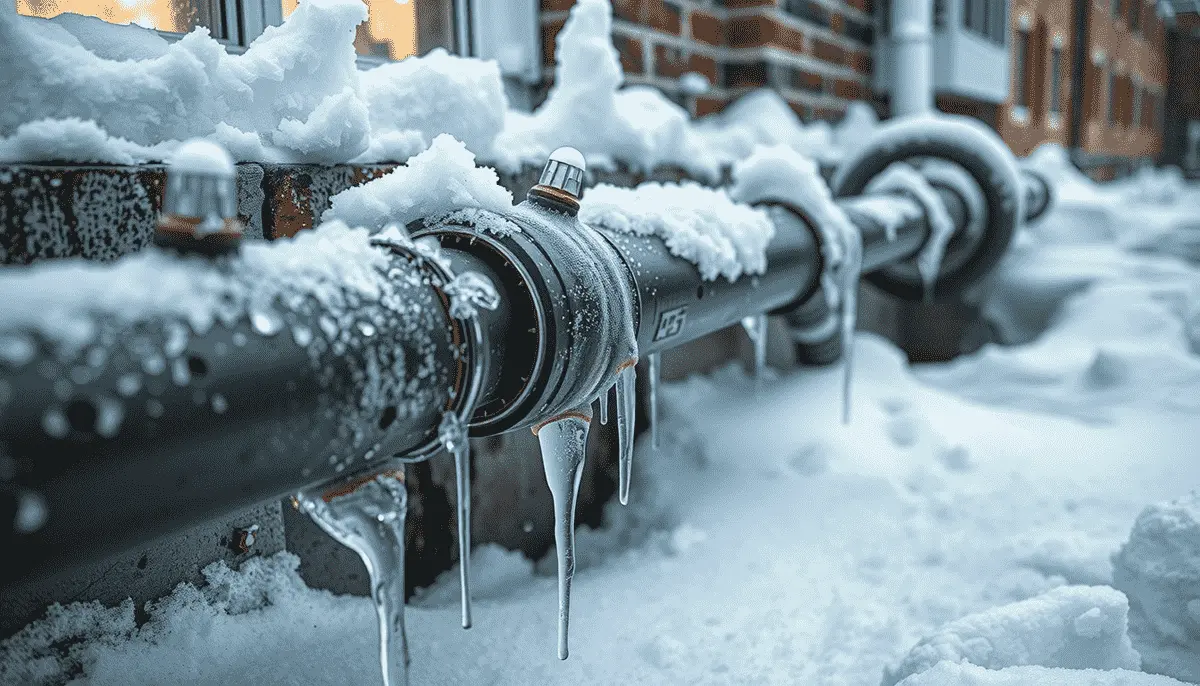
If you’ve lived through a winter in Des Moines, you know how bitterly cold it can get. Between blizzards, wind chills, and below-zero nights, your home’s plumbing system takes a beating. And one of the most common (and costly) issues we see every winter is frozen pipes.
At Holt Plumbing, Heating, Cooling, & Electrical, we’ve been helping Central Iowa families protect their homes for over 75 years. We know that preventing frozen pipes isn’t just about convenience, it’s about protecting your home from water damage, expensive repairs, and emergency plumbing calls at the worst possible time.
In this guide, we’ll walk you through the causes, risks, and most importantly, the best ways to prevent frozen pipes during Des Moines winters.
1. Why Frozen Pipes Are a Big Deal
When water freezes inside your pipes, it expands. That expansion puts intense pressure on the pipe walls, whether the pipe is made of plastic or metal. If the pressure builds too much, the pipe can crack or burst, releasing gallons of water into your home once it thaws.
Common damage from burst pipes includes:
- Soaked walls, ceilings, and floors
- Mold and mildew growth
- Damaged insulation or drywall
- Electrical hazards
- Thousands of dollars in repairs
The good news is that most frozen pipe issues are preventable with a few proactive steps.
2. High-Risk Areas in Des Moines Homes
Frozen pipes don’t happen randomly, they tend to strike in vulnerable locations. Here’s where to pay close attention:
- Unheated basements
- Crawl spaces
- Attics
- Garages
- Exterior walls with poor insulation
- Cabinets under sinks, especially on outer walls
Knowing where your plumbing is exposed or less protected is step one in preventing disaster.
3. How to Prevent Frozen Pipes: Pro Tips from Holt
Insulate Exposed Pipes
Use foam pipe insulation sleeves (or heat tape) on exposed water lines in basements, crawl spaces, and attics. It’s inexpensive and one of the most effective ways to reduce freezing risk.
Pro Tip: Don’t forget about pipes running along garage ceilings or unheated porches, they freeze fast in bitter weather!
Let Faucets Drip During Deep Freezes
When the temperature drops into the teens or below zero, let a small stream of cold water run from the faucet. Constant flow keeps water moving and helps prevent freezing.
Important: Focus on fixtures served by vulnerable pipes (e.g., kitchen sink on an exterior wall).
Open Cabinet Doors
In kitchens or bathrooms where sinks are placed against exterior walls, open cabinet doors to allow warm air to circulate around the pipes.
Keep Your Thermostat Consistent
Keep your home’s temperature steady, even when you’re away. Avoid dropping the temp below 55°F, even if you’re on vacation.
Holt Tip: Install a smart thermostat to manage temperature settings and receive freeze alerts.
Seal Drafts and Air Leaks
Cold air sneaking into your home can freeze pipes near drafty spots. Seal gaps around:
- Windows and doors
- Vents
- Utility lines
- Foundation cracks
This improves energy efficiency and protects your plumbing.
Disconnect Garden Hoses & Shut Off Outdoor Faucets
Before the first freeze hits, disconnect all garden hoses and shut off the water supply to outdoor spigots. Drain the line completely to avoid freezing in the pipe leading to the spigot.
Bonus Tip: Install frost-free hose bibs for added protection.
Consider Pipe Relocation or Rerouting
If your home has a history of frozen pipes in a specific location, it may be worth rerouting those pipes to a warmer area of the home. Our licensed plumbers at Holt can assess and recommend long-term solutions.
4. What to Do If Your Pipes Freeze Anyway
Sometimes, despite your best efforts, a pipe freezes. Here’s how to respond:
Shut Off the Main Water Supply
If you suspect a frozen pipe or hear strange noises in the walls, shut off the water supply immediately. This helps prevent flooding if the pipe bursts when it thaws.
Warm the Pipe Slowly
Use a hair dryer, heating pad, or warm towels to gently thaw the frozen section. Never use an open flame or space heater unattended!
Call Holt for Help
If you can’t locate the frozen pipe, or if it bursts, call Holt Plumbing, Heating, Cooling, & Electrical 24/7. We’ll respond quickly to minimize damage and restore your plumbing system.
5. Why Des Moines Homes Are Especially at Risk
Iowa winters are no joke. But in Des Moines, the combination of old housing stock, frequent temperature swings, and cold wind chills creates a perfect storm for frozen pipes. Many homes were built with less insulation than modern standards require, especially in basements and exterior walls.
We’ve seen it all, from 1920s bungalows with uninsulated crawlspaces to newer homes with garage-adjacent pipes. No matter the age or layout of your home, every homeowner should have a winter plumbing prep plan.
6. Holt’s Winter Readiness Services
We’re not just here for emergencies. At Holt Plumbing, Heating, Cooling, & Electrical, we offer preventative plumbing services to help you stay ahead of winter headaches:
- Pipe insulation and weatherproofing
- Smart thermostat installation
- Crawl space inspections
- Winter plumbing maintenance checks
- Emergency pipe repair, 24/7
With over 75 years of experience and deep local knowledge, we know how to protect Des Moines homes from harsh winter plumbing issues.
Let Holt Plumbing, Heating, Cooling, & Electrical help you prepare your home for winter the right way, with friendly service, flat-rate pricing, and a team that treats your home like their own. Call us before the deep freeze hits, and stay worry-free all winter long.