Spring in Iowa brings warmer temperatures, blooming trees, and longer days. It also brings pollen, dust, mold spores, and fluctuating humidity levels that can make allergy season miserable for many homeowners. If you’ve noticed more sneezing, congestion, itchy eyes, or worsened asthma symptoms inside your home, your indoor air quality may be part of the problem.
Holt Plumbing & Heating, Inc. has proudly served the greater Des Moines area for decades, providing reliable plumbing, heating, and cooling solutions backed by exceptional customer care and craftsmanship. For homeowners in Des Moines, West Des Moines, Urbandale, Waukee, Ankeny, and Clive, improving indoor air quality during allergy season can make a noticeable difference in comfort and overall health.
Here’s what you need to know — and what practical steps you can take.
Why Allergy Season Hits Iowa Homes Hard
Iowa’s climate creates a perfect environment for seasonal allergens.
During spring and early summer, common triggers include:
- Tree pollen
- Grass pollen
- Mold spores from damp soil
- Dust stirred up by wind
- Agricultural allergens in rural areas
Open windows, foot traffic, pets, and even your HVAC system can bring those allergens indoors. Once inside, they circulate through your ductwork and settle on surfaces throughout your home.
Without proper filtration and humidity control, indoor air can sometimes be more irritating than outdoor air.
What Homeowners Need to Know About Indoor Air Quality
Indoor air quality (IAQ) refers to the cleanliness and health of the air inside your home. It affects:
- Respiratory health
- Sleep quality
- Energy levels
- HVAC system performance
Poor IAQ can also strain your heating and cooling equipment. When filters clog with pollen and dust, airflow becomes restricted. That forces your system to work harder — especially during Iowa’s unpredictable spring weather.
Improving air quality benefits both your family and your HVAC system.
Change Your Air Filters More Frequently
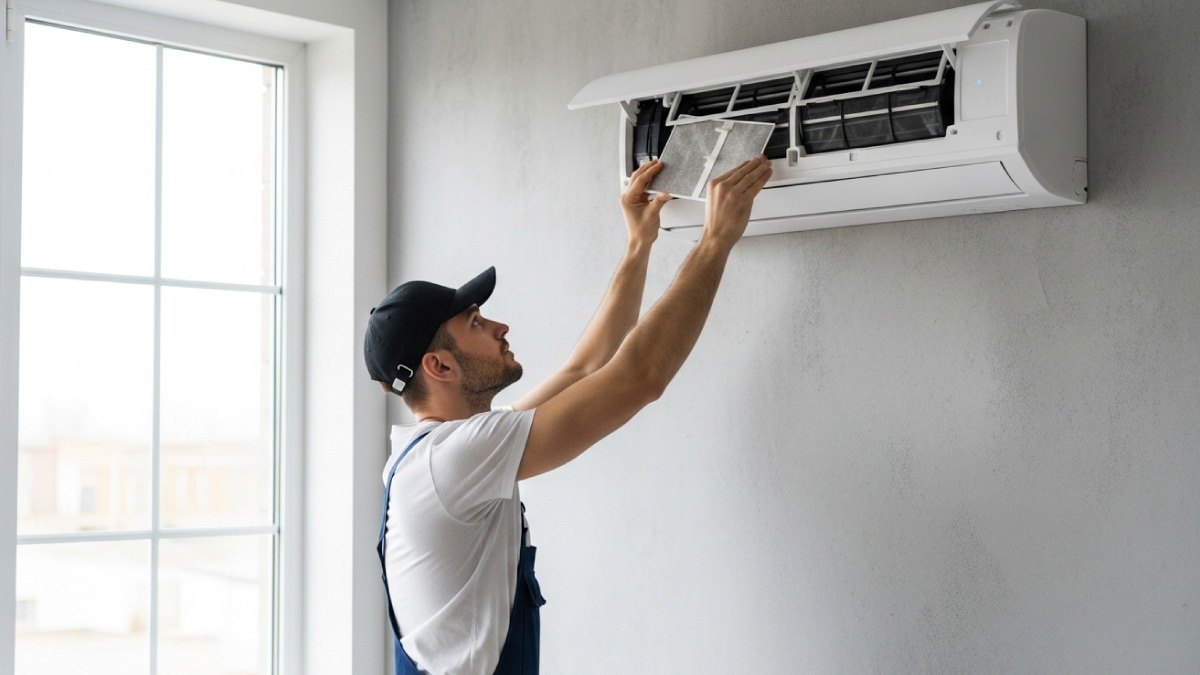
One of the simplest ways to improve indoor air quality during allergy season is to check your air filter.
During peak pollen months, filters may clog faster than usual. A dirty filter:
- Recirculates allergens
- Reduces airflow
- Increases energy costs
- Stresses your HVAC system
During heavy pollen periods in Des Moines, it’s wise to check your filter monthly.
Consider upgrading to high-efficiency filters designed to capture smaller particles like pollen and dust.
Schedule Professional HVAC Maintenance
Your HVAC system plays a major role in air circulation. If it hasn’t been serviced recently, it may be circulating dust and debris.
Seasonal maintenance typically includes:
- Cleaning internal components
- Inspecting coils
- Checking airflow
- Evaluating filtration
- Ensuring proper system balance
Spring maintenance ensures your air conditioning system is ready for warmer weather while helping improve indoor air quality.
Need expert help now? Contact Holt for same-day plumbing or HVAC solutions.
Consider a Whole-Home Air Purification System
Standard air filters catch many airborne particles, but they may not capture everything.
Whole-home air purification systems can:
- Capture microscopic allergens
- Reduce bacteria and viruses
- Minimize odors
- Improve overall air freshness
These systems integrate directly into your HVAC system, treating air throughout the entire home rather than relying on portable units in individual rooms.
Control Indoor Humidity Levels
Humidity plays a major role in allergy symptoms.
Too much humidity can:
- Encourage mold growth
- Increase dust mites
- Create musty odors
Too little humidity can:
- Irritate sinuses
- Dry out nasal passages
- Worsen respiratory discomfort
In Iowa, spring weather often swings between damp rainy days and dry, windy conditions. A properly balanced humidity level — typically between 30–50% — supports healthier indoor air.
Whole-home humidity control systems help maintain consistent comfort regardless of outdoor conditions.
Keep Ductwork Clean and Sealed
Ductwork circulates air throughout your home. If ducts are:
- Leaking
- Dust-filled
- Poorly sealed
They can distribute allergens into every room.
Signs of duct issues include:
- Uneven airflow
- Excess dust accumulation
- Rising energy bills
- Musty odors when the system runs
Professional duct evaluation helps identify leaks or buildup that may affect air quality.
Reduce Outdoor Allergen Entry
While you can’t eliminate outdoor pollen, you can reduce how much enters your home.
Helpful steps include:
- Keeping windows closed during high pollen days
- Using doormats and removing shoes indoors
- Bathing pets after outdoor activity
- Showering and changing clothes after yard work
- Vacuuming frequently with HEPA-equipped vacuums
Small habits make a noticeable difference during peak allergy season.
Watch for Mold Growth in Damp Areas
Iowa’s spring rains and snowmelt can increase indoor moisture levels, particularly in basements.
Mold growth often develops in:
- Basements
- Crawl spaces
- Around windows
- Near plumbing leaks
- Inside poorly ventilated bathrooms
If you notice musty smells or visible mold, it’s important to address the source of moisture immediately.
Sump pump inspections and proper drainage help prevent excess moisture buildup that can affect indoor air.
Upgrade to a Smart Thermostat
Smart thermostats improve air circulation and humidity control.
Features may include:
- Continuous fan settings
- Humidity monitoring
- Programmable airflow schedules
Maintaining steady airflow reduces stagnant air and improves filtration efficiency.
How Plumbing and HVAC Systems Affect Air Quality
Many homeowners don’t realize that plumbing systems can impact air quality.
For example:
- Leaking pipes create moisture that encourages mold growth
- Failing sump pumps increase basement humidity
- Water heater leaks raise indoor moisture levels
Whole-home comfort requires plumbing, heating, and cooling systems working together.
Holt Plumbing & Heating provides comprehensive service to address all aspects of home performance.
A Realistic Iowa Scenario
A family in West Des Moines struggled with spring allergies each year. Despite cleaning frequently, symptoms persisted.
After upgrading filtration, sealing duct leaks, and installing humidity control, they noticed:
- Reduced dust buildup
- Fewer allergy flare-ups
- More consistent airflow
- Improved overall comfort
Indoor air quality improvements often deliver noticeable results quickly.
Frequently Asked Questions About Indoor Air Quality
Can indoor air really be worse than outdoor air?
Yes. Without proper ventilation and filtration, allergens can accumulate indoors.
How often should I replace my air filter during allergy season?
Check monthly and replace as needed.
Do air purifiers help with pollen?
Yes, especially whole-home systems integrated into your HVAC system.
Does humidity affect allergies?
Absolutely. High humidity encourages mold and dust mites, while low humidity can irritate airways.
Breathe Easier This Allergy Season
Allergy season in Iowa can be challenging, but your home should be a place of relief — not irritation. Improving indoor air quality starts with proper filtration, balanced humidity, and well-maintained HVAC systems.
Small adjustments like replacing filters and sealing ducts can make a big impact. More advanced solutions like whole-home air purification and humidity control provide long-term comfort.
Call Holt Plumbing & Heating today to schedule fast, reliable service in Des Moines. Schedule your appointment with Holt Plumbing & Heating and experience the local expertise that keeps Iowa homes comfortable, healthy, and protected in every season.