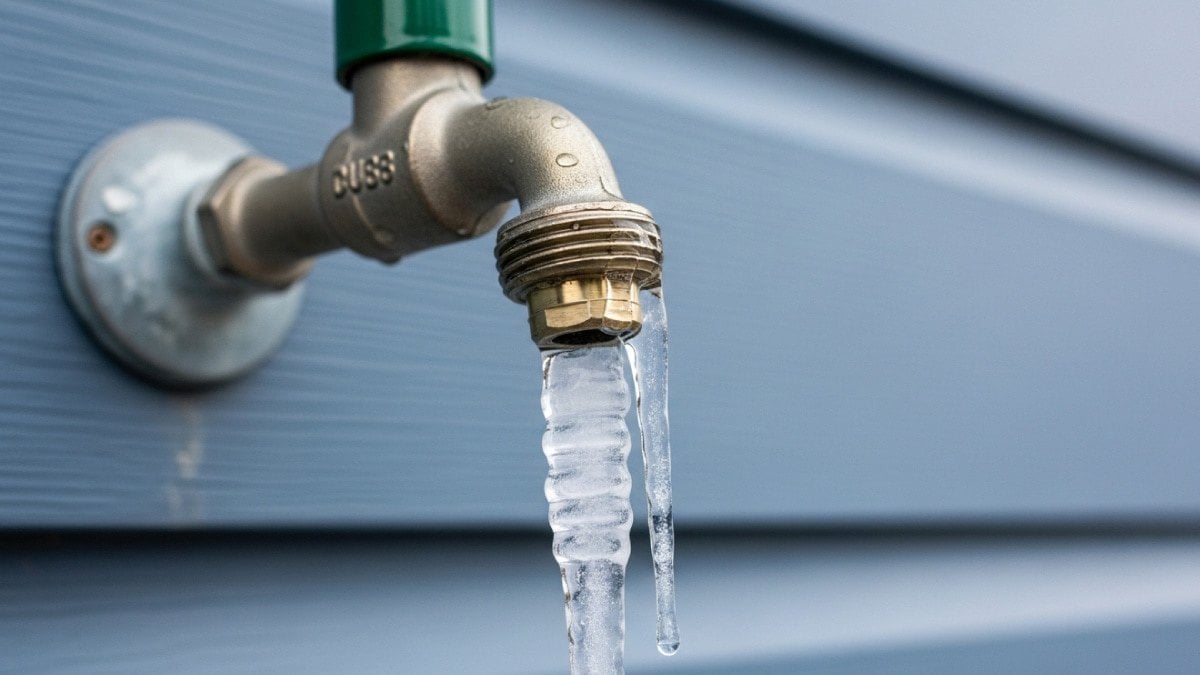
Iowa winters don’t just test your patience, they test your plumbing. In the Des Moines area, repeated freezing and thawing creates constant stress on pipes, fixtures, and underground plumbing systems. If you’ve ever dealt with a burst pipe, sudden leak, or mysterious drop in water pressure during winter, the freeze-thaw cycle is often the hidden culprit.
Holt Plumbing & Heating, Inc. has helped generations of Des Moines homeowners protect their plumbing through Iowa’s toughest seasons. Understanding how freeze-thaw damage happens, and what you can do to prevent it can save you from costly repairs and water damage.
What Is the Freeze-Thaw Cycle and Why Is It So Hard on Plumbing?
Iowa winters are rarely consistent. Temperatures bounce above and below freezing for weeks at a time, especially in late winter and early spring. This constant temperature swing causes water to freeze, expand, thaw, and contract over and over again.
When water freezes inside pipes or surrounding soil:
- It expands by about 9 percent
- Pressure builds rapidly inside pipe walls
- Weak spots begin to crack or split
- Underground pipes shift as frozen soil expands
Even pipes that don’t burst right away can suffer long-term damage that shows up later as leaks or corrosion.
Common Plumbing Problems Caused by Iowa’s Freeze-Thaw Cycle
Frozen and Burst Pipes
Frozen pipes are the most obvious risk. Pipes in exterior walls, basements, crawl spaces, and garages are especially vulnerable during cold snaps.
When ice blocks water flow, pressure builds behind it and the pipe often fails when temperatures warm and water rushes back through.
Hidden Leaks Behind Walls or Underground
Some pipes don’t burst completely. Instead, they develop small cracks that leak slowly. These leaks often go unnoticed until:
- Water bills spike
- Mold or mildew appears
- Drywall begins to stain or warp
- Floors feel warm or damp unexpectedly
Leak detection is a common service call for Holt during late winter and early spring.
Sewer and Drain Line Shifts
Freeze-thaw cycles don’t just affect water supply lines. As soil freezes and expands, it can shift underground drain and sewer lines. When the ground thaws, pipes may settle unevenly, leading to:
- Slow drains
- Repeated clogs
- Sewer backups
This is especially common in older Des Moines neighborhoods with aging clay or cast iron lines.
Reduced Water Pressure
Cracks, partial blockages from ice, or pipe misalignment can all reduce water pressure throughout your home. Many homeowners assume it’s a municipal issue when it’s actually damage within their plumbing system.
Why Late Winter Is the Most Dangerous Time for Plumbing
Most people associate frozen pipes with extreme cold, but late winter is often when damage shows up. As temperatures fluctuate:
- Ice inside pipes melts and refreezes
- Existing cracks widen
- Water finds new paths through weakened joints
This is why plumbers see a surge in emergency calls just as winter starts to loosen its grip.
How to Protect Your Plumbing from Freeze-Thaw Damage
Insulate Vulnerable Pipes
Pipes in unheated areas should be insulated before temperatures drop. Foam pipe insulation is affordable and highly effective when installed properly.
Keep Water Moving During Extreme Cold
Letting faucets drip during subzero nights can prevent water from freezing inside pipes. Even a small flow helps relieve pressure.
Seal Air Leaks Around Pipes
Cold air sneaking in through foundation gaps, rim joists, or exterior wall penetrations can freeze pipes quickly. Sealing these areas helps stabilize temperatures around plumbing lines.
Maintain Consistent Indoor Heat
Turning the thermostat down too far overnight can increase freeze risk. Maintaining steady indoor temperatures protects plumbing and supports your heating system’s efficiency.
Schedule Professional Inspections
A licensed plumber can identify weak spots before they fail. Holt offers plumbing inspections that catch early warning signs, especially important for older homes in Des Moines, Urbandale, and Ankeny.
How Heating and Indoor Air Quality Play a Role
Your plumbing doesn’t exist in isolation. Heating performance and indoor air quality directly affect pipe safety.
- Poorly heated basements increase freeze risk
- Drafty homes allow cold air to reach plumbing
- Low humidity can dry out seals and fittings
Holt Plumbing & Heating provides integrated solutions, from furnace tune-ups to humidity control that protect your entire home, not just individual systems.
Signs Freeze-Thaw Damage May Already Be Happening
If you notice any of the following, it’s time to call a professional:
- Sudden drops in water pressure
- Unexplained water stains or damp smells
- Repeated drain clogs
- Sounds of banging or whistling pipes
- Higher-than-normal water bills
Ignoring these signs can turn a small repair into major water damage.
Why Des Moines Homeowners Trust Holt
Holt Plumbing & Heating has served the greater Des Moines area for decades. As a family-owned Iowa business, Holt understands how local weather impacts homes because we live here too.
Homeowners choose Holt for:
- Licensed and insured technicians
- Honest recommendations and transparent pricing
- Deep experience with Iowa’s climate challenges
- Reliable plumbing, heating, cooling, and indoor air quality services
Protect Your Home Before the Next Temperature Swing
Freeze-thaw damage doesn’t always announce itself right away but it almost always gets worse over time. Taking preventive steps now can protect your plumbing, your home, and your peace of mind.
Call Holt Plumbing & Heating today to schedule fast, reliable service in Des Moines.
Need expert help now? Contact Holt for same-day plumbing or HVAC solutions.
Schedule your appointment with Holt Plumbing & Heating and experience the service Des Moines homeowners trust.