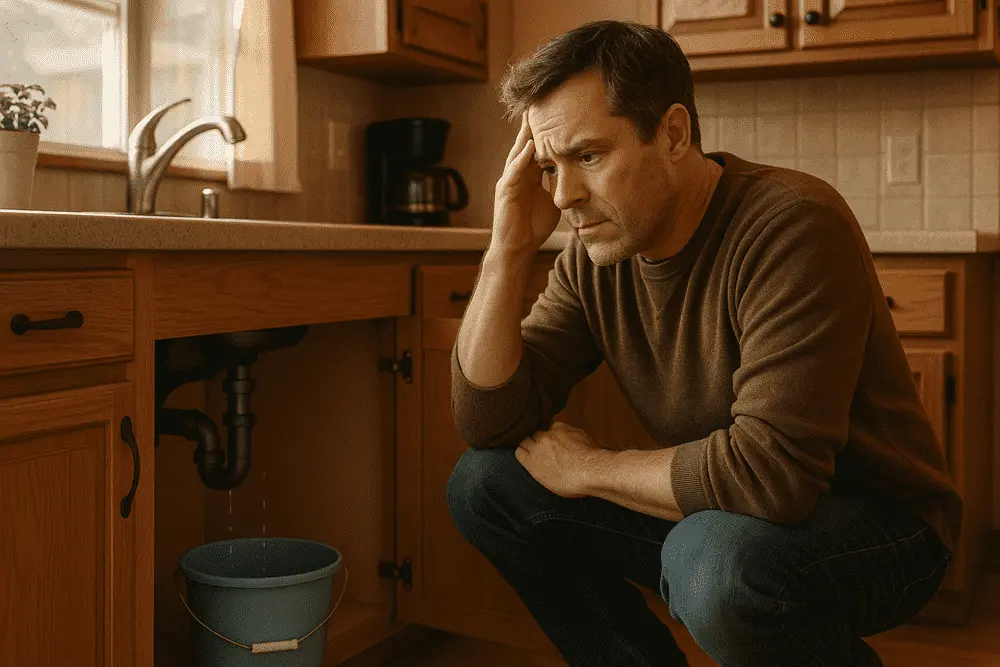
Plumbing problems often start small, but they rarely stay that way. A tiny leak under the sink can become a burst pipe, and slow drains can lead to backups that damage floors and walls. At Holt Plumbing, Heating, Cooling, & Electrical, we know homeowners don’t always know when to call for help. That’s why we’ve put together this guide: to help you recognize early warning signs and take action before a minor issue becomes a costly emergency.
With over 75 years serving Central Iowa, Holt Plumbing, Heating, Cooling, & Electrical has seen it all. We believe your home deserves proactive care, and our goal is to help you avoid stress, water damage, and unexpected expenses.
1. Slow or Frequently Clogged Drains
A slow drain here or there might not seem serious, but frequent clogs are definitely a red flag. They can indicate buildup in your pipes, root intrusion from trees, or even a collapsed sewer line. Using chemical drain cleaners may offer a quick fix, but they often damage pipes and create bigger problems down the road.
What to do: If your kitchen sink, bathtub, or shower consistently drains slowly, call a professional plumber. We can locate the cause, clear blockages safely, and prevent future clogs.
2. Low Water Pressure
Does it take forever to rinse shampoo from your hair or fill a pot of water? Low water pressure frequently points to leaks, pipe corrosion, or mineral buildup inside plumbing lines. If low pressure is isolated to one fixture, it could be a minor repair. But if it affects the whole home, you may have a more serious problem lurking behind your walls.
Why it matters: Ignoring low water pressure can mean missing an early warning sign of pipe damage or even a hidden leak, wasting water—and money.
3. Water Stains or Damp Walls and Ceilings
Water spots on your ceiling or walls may seem like a simple cosmetic problem, but they often indicate a hidden plumbing leak. Even a slow leak can create the perfect environment for mold and mildew growth, which can spread quickly behind walls and ceilings.
Mold spores can trigger allergies, asthma attacks, and other respiratory issues, especially in children, seniors, and those with weakened immune systems. In some cases, certain types of mold release toxins that can cause headaches, fatigue, and long-term health concerns if left untreated.
Tip from Holt: If you notice discoloration or dampness, don’t just paint over it. Find the source and fix it before it spreads.
4. Unusual Sounds in Your Pipes
Pipes shouldn’t make much noise. If you hear banging, gurgling, or whistling when you turn on a faucet, it could signal:
- Air trapped in pipes
- Water hammer (sudden pressure changes)
- Loose fittings or pipe damage
These sounds are often easy to fix when addressed quickly but can lead to major pipe failure if ignored.
5. Unpleasant Odors
If you smell sewer gas in your home, it may be more than an unpleasant odor—it may be a warning sign of a serious issue. Common causes include dried-out drain traps, broken vent pipes, or a damaged sewer line.
These problems allow methane and hydrogen sulfide gases to seep indoors, both of which are hazardous to your health. Methane is highly flammable, increasing the risk of fire or explosion in extreme cases, while hydrogen sulfide exposure can cause nausea, headaches, eye irritation, and, at high levels, even loss of consciousness.
Immediate action: Call a plumber to identify the source. Sewer leaks can affect indoor air quality and even pose health risks.
6. Discolored or Rusty Water
Rust-colored water often means corrosion in your pipes or water heater. If it’s only from your hot water tap, the water heater could be to blame. If it’s from all taps, your home’s plumbing may need repair or replacement.
Why it’s urgent: Corrosion weakens pipes, leading to leaks or bursts. It’s always better to replace aging sections of pipe before an emergency occurs.
7. Higher Water Bills Without Explanation
A sudden jump in your water bill is often the first clue of a hidden leak. Even small leaks—like a running toilet or dripping faucet—can waste hundreds of gallons of water a month.
Smart step: Monitor your water usage, and if you can’t find a visible leak, call a professional. Holt Plumbing, Heating, Cooling, & Electrical uses advanced leak detection tools to find hidden issues fast.
8. Frequent Need to Use the Plunger
Using a plunger occasionally is normal, but if you’re doing it weekly, there’s likely a deeper plumbing issue. Constant toilet clogs can mean blocked sewer lines, improper venting, or even a failing septic system.
Long-term fix: A plumber can clear stubborn blockages and check for underlying problems so you don’t face a surprise backup.
Why Early Plumbing Repair Saves Money and Stress
When plumbing issues go untreated, they rarely stay the same:
- Small leaks become costly water damage
- Clogs become full backups
- Minor pipe corrosion turns into bursts and flooding
By calling Holt Plumbing, Heating, Cooling, & Electrical at the first sign of trouble, you protect your home, your wallet, and your peace of mind.
How Holt Plumbing, Heating, Cooling, & Electrical Can Help
For over 75 years, our family-owned business has provided trusted plumbing repairs, installations, and 24/7 emergency service throughout Central Iowa. We believe in honest pricing, guaranteed satisfaction, and treating every customer like family.
Our promise to you:
- Flat-rate pricing with no hidden fees
- Highly trained, background-checked technicians
- Respect for your home and time
Whether it’s a dripping faucet, a mysterious odor, or a major leak, we’re here to help.
Call Holt Plumbing, Heating, Cooling, & Electrical Today
Don’t wait until a minor plumbing issue becomes a major headache. If you’ve noticed any of these warning signs, call Holt Plumbing, Heating, Cooling, & Electrical. Our expert team is ready to keep your home comfortable and safe—day or night.