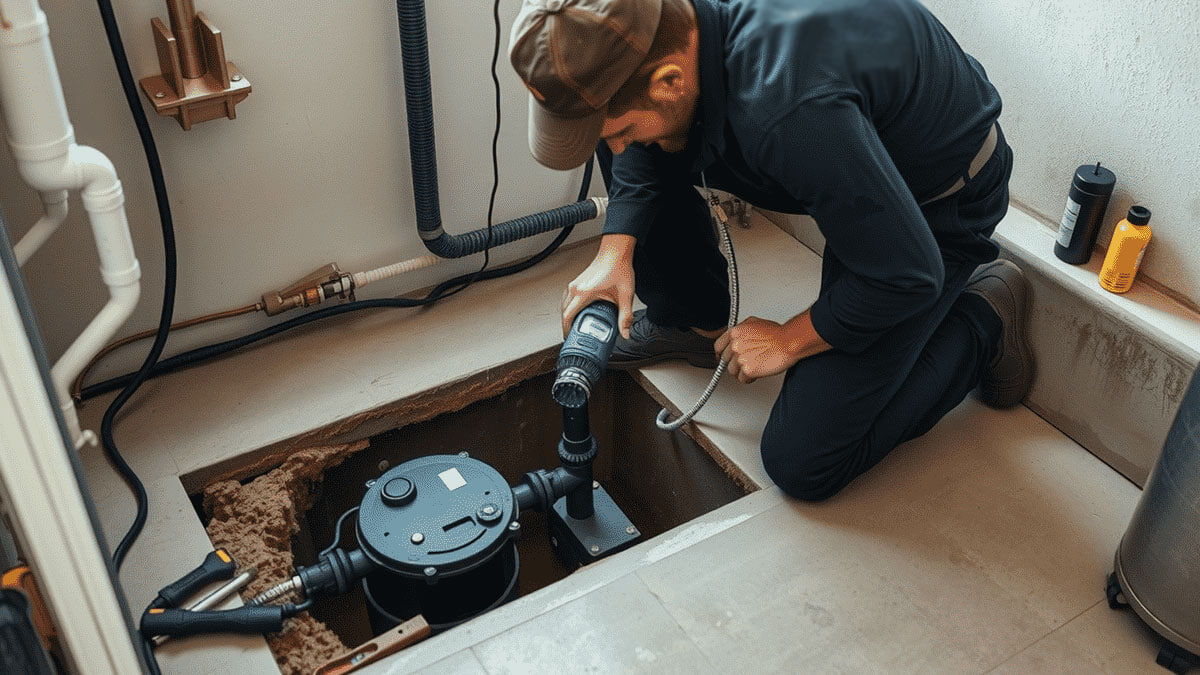
In Iowa, winter doesn’t end all at once. As snow melts and the ground begins to thaw, water has nowhere to go, especially when frozen soil prevents proper drainage. For many Des Moines homeowners, spring snowmelt is the first real test of their sump pump system.
Holt Plumbing & Heating, Inc. responds to a surge of sump pump emergencies every spring, often caused by systems that weren’t ready for heavy runoff. A little preparation before snowmelt peaks can prevent basement flooding, water damage, and mold growth.
Why Spring Snowmelt Is So Hard on Iowa Homes
As temperatures rise, snow melts faster than the ground can absorb water. This creates saturated soil around foundations and increased hydrostatic pressure against basement walls.
Common spring conditions in Des Moines include:
- frozen or partially frozen ground
- heavy snowmelt followed by rain
- rising groundwater levels
- overwhelmed drainage systems
All of that water looks for the path of least resistance and your sump pump is often the only thing standing in the way.
What Does a Sump Pump Actually Do?
A sump pump collects groundwater that accumulates around your foundation and pumps it away from your home through a discharge line. When working properly, it prevents:
- basement flooding
- foundation damage
- mold and mildew growth
- ruined flooring and belongings
But if the system fails during peak snowmelt, water can enter your basement quickly.
Signs Your Sump Pump May Not Be Ready for Spring
Before heavy runoff hits, homeowners should look for warning signs that their sump pump needs attention.
The Pump Rarely or Never Turns On
If your sump pump hasn’t run in a long time, it may be:
- stuck due to debris
- suffering from a failed float switch
- improperly wired
- burned out
A pump that doesn’t cycle when water enters the pit won’t protect your home when it matters.
Strange Noises or Vibrations
Grinding, rattling, or loud humming noises can indicate:
- worn impeller
- debris in the pump
- motor problems
These issues often worsen under heavy use.
The Pump Runs Constantly
If your sump pump runs nonstop, it may be:
- undersized for your home
- dealing with high groundwater
- experiencing a stuck float switch
- pumping water that flows right back toward the foundation
Constant operation shortens the lifespan of the pump and increases failure risk.
Visible Rust, Corrosion, or Damage
Spring moisture can accelerate corrosion. If you notice rust on the pump or discharge pipe, it’s time for an inspection.
What Iowa Homeowners Should Check Before Snowmelt Peaks
1. Test the Sump Pump
Pour a bucket of water into the sump pit. The pump should:
- turn on automatically
- pump water out quickly
- shut off once the pit empties
If it hesitates or doesn’t activate, it needs service.
2. Inspect the Discharge Line
Make sure the discharge pipe:
- isn’t frozen or blocked
- directs water away from the foundation
- isn’t cracked or leaking
- doesn’t drain too close to the home
Blocked or frozen discharge lines are a common cause of spring sump pump failure.
3. Check the Float Switch
The float should move freely. If it’s tangled, stuck, or blocked by debris, the pump won’t activate properly.
4. Clean the Sump Pit
Sediment, gravel, and debris can clog the pump and shorten its lifespan. A clean pit improves performance during heavy runoff.
5. Test Your Backup System
Power outages during spring storms are common in Iowa. If your home relies on a sump pump, a battery or water-powered backup system can be the difference between a dry basement and flooding.
Holt installs and services sump pump backup systems designed for Iowa weather conditions.
How Snowmelt Can Reveal Bigger Plumbing Issues
Spring runoff doesn’t just stress sump pumps, it can expose other problems.
- foundation cracks allow water seepage
- clogged drains slow water removal
- sewer lines back up under heavy load
- old sump systems can’t keep up with demand
Holt Plumbing & Heating often inspects sump pumps alongside drain systems and basement plumbing to ensure everything works together.
Why Sump Pump Failure Is So Costly
A failed sump pump can lead to:
- soaked carpets and drywall
- damaged furniture and appliances
- electrical hazards
- mold growth within days
- expensive cleanup and restoration
Preventive maintenance costs far less than water damage repair.
How Often Should a Sump Pump Be Replaced?
Most sump pumps last 7–10 years, depending on usage and maintenance. If your system is nearing that age, spring before the Iowa storm season hits is the right time to evaluate replacement before it fails.
Signs replacement may be needed:
- frequent cycling
- loud operation
- visible corrosion
- repeated repairs
- inability to keep up during heavy runoff
Holt provides honest recommendations and will never suggest replacement unless it’s truly necessary.
Sump Pumps, Plumbing, and Indoor Air Quality
Basement moisture affects more than just flooring. Persistent dampness increases the risk of:
- mold and mildew
- musty odors
- poor indoor air quality
- respiratory irritation
Holt’s integrated services, including plumbing, drainage solutions, and indoor air quality support help protect the entire home.
When to Call a Professional
You should schedule professional sump pump service if:
- your pump hasn’t been tested in over a year
- the basement has flooded before
- spring runoff overwhelms the system
- you’re unsure whether your pump is adequate
- you want a backup system installed
A licensed professional can evaluate your setup and recommend improvements before water becomes a problem.
Be Ready Before the Melt Hits
Spring snowmelt is predictable, sump pump failure shouldn’t be. A quick inspection and tune-up can help ensure your basement stays dry when runoff is at its peak.
Call Holt Plumbing & Heating today to schedule fast, reliable sump pump service in Des Moines.
Need expert help now? Contact Holt for same-day plumbing solutions and flood prevention.
Schedule your appointment with Holt Plumbing & Heating and experience the service Des Moines homeowners trust.