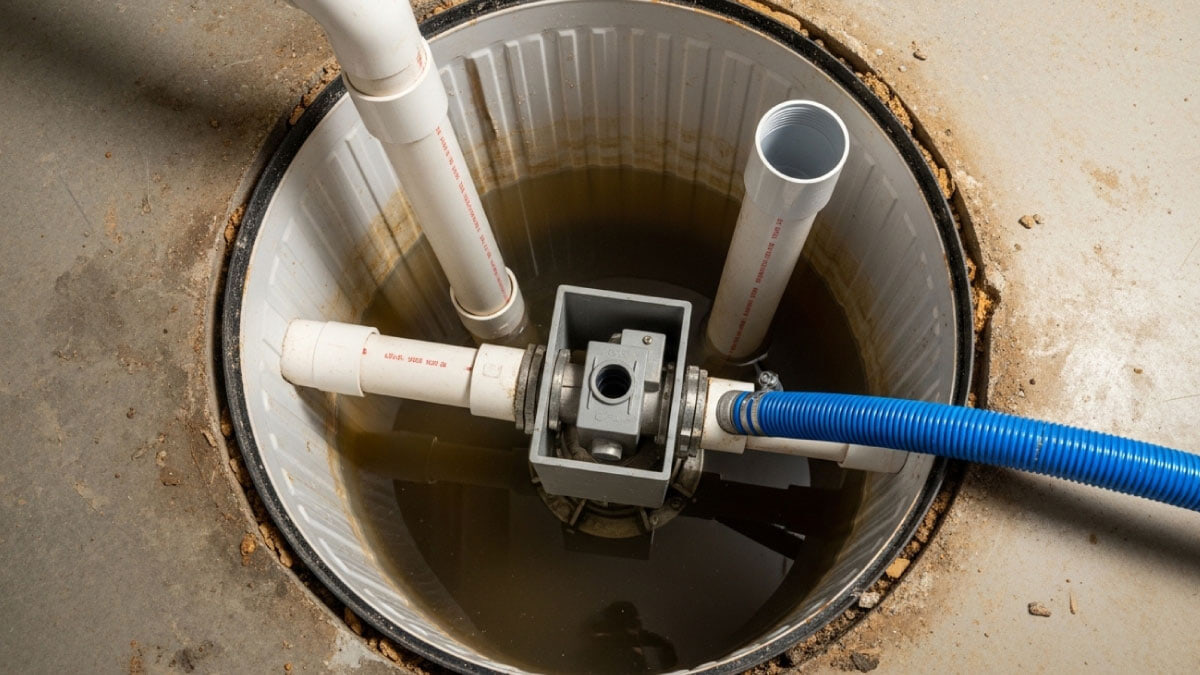
Basement flooding is one of the most common and costly issues homeowners face in Central Iowa. Between rapid snowmelt, heavy spring rains, saturated soil, and sudden summer downpours, homes in Des Moines and surrounding communities depend heavily on properly functioning sump pumps.
Holt Plumbing & Heating, Inc. is proud to serve Des Moines and surrounding Iowa communities with trusted plumbing, heating, and cooling solutions that keep your home safe and comfortable year-round. If you live in Des Moines, West Des Moines, Urbandale, Waukee, Ankeny, or Clive, understanding how to properly maintain your sump pump can protect your home from water damage and unexpected repairs.
This complete guide explains how sump pumps work, why they’re critical in Iowa’s climate, and exactly what you should do to keep yours operating reliably.
Why Sump Pumps Are So Important in Iowa
Iowa’s weather creates ideal conditions for groundwater problems:
- Freeze-thaw cycles loosen soil around foundations
- Clay-heavy soil drains slowly
- Spring thunderstorms dump heavy rainfall in short periods
- Rapid snowmelt increases groundwater levels
- Summer storms can overwhelm older systems
When the soil around your home becomes saturated, water naturally seeks the lowest point — often your basement. A sump pump prevents that water from rising to the level of your foundation floor.
Without one, or if it fails, you could face:
- Flooded basements
- Foundation cracks
- Mold growth within 24–48 hours
- Ruined flooring and drywall
- Damage to HVAC systems and water heaters
In Iowa, sump pump maintenance isn’t optional. It’s preventative protection.
How Does a Sump Pump Work?
Understanding how your system works helps you maintain it properly.
Most sump pumps sit inside a basin (or pit) installed at the lowest point of your basement or crawl space. When groundwater rises:
- Water flows into the sump pit.
- A float switch rises with the water level.
- The float activates the pump motor.
- Water is discharged through a pipe away from your foundation.
Once the water level drops, the pump automatically shuts off.
It’s a simple process — but multiple components must function correctly for it to work.
What Homeowners Need to Know About Sump Pump Lifespan
Most sump pumps last 7 to 10 years. However, lifespan depends on:
- Frequency of use
- Soil saturation levels
- Maintenance habits
- Quality of installation
- Pump size and capacity
Homes in low-lying areas or near waterways in the Des Moines region may see shorter lifespans due to higher groundwater activity.
If your sump pump is more than eight years old, proactive replacement may be smarter than waiting for failure.
How Often Should You Maintain Your Sump Pump?
At minimum, inspect and test your sump pump once per year — ideally before spring rain season in Iowa.
Homes with frequent groundwater issues should consider:
- Spring inspection
- Fall inspection
- Battery backup testing and inspection before storm season
Routine checks take only a few minutes but can prevent thousands of dollars in water damage.
Step-by-Step Sump Pump Maintenance Checklist
Below is a homeowner-friendly maintenance checklist to keep your system reliable.
1. Test the Pump
Pour a 5-gallon bucket of water into the sump pit.
The pump should:
- Activate automatically
- Remove water quickly
- Shut off once levels drop
If the pump fails to turn on, struggles to empty the pit, or runs continuously, professional service is recommended.
2. Clean the Sump Pit
Over time, dirt, gravel, and debris accumulate inside the basin. This buildup can clog the intake screen and reduce efficiency.
Remove debris carefully and ensure the intake area is clear.
A clogged pump may overheat or fail during heavy rain.
3. Inspect the Discharge Line
The discharge pipe carries water away from your home. It should:
- Be free of cracks
- Have no visible blockages
- Direct water at least 10 feet away from the foundation
- Be properly sloped
In Iowa winters, discharge lines are especially vulnerable to freezing. A blocked line can cause water to back up into the pit.
4. Check the Float Switch
The float must move freely to activate the pump.
Make sure:
- Nothing is obstructing it
- It isn’t tangled
- It isn’t rubbing against the pit wall
Float switch failure is one of the most common sump pump issues.
5. Inspect Electrical Connections
Ensure:
- The pump is plugged into a GFCI outlet
- The cord is in good condition
- There are no exposed wires
Never use extension cords for sump pumps. Dedicated outlets reduce electrical risk.
6. Test Your Battery Backup System
If you have a battery backup pump, test it annually.
Storms that raise groundwater levels often cause power outages. Without backup power, your sump pump won’t function when you need it most.
Battery systems should be:
- Fully charged
- Free of corrosion
- Replaced per manufacturer guidelines
Common Sump Pump Problems in Iowa Homes
Des Moines homeowners frequently experience the following issues:
Frozen Discharge Pipes
During sudden winter freezes, standing water inside discharge pipes can freeze solid. This blocks water flow and causes backup.
Overworked Pumps
Older pumps may struggle during heavy spring rainfall, especially as storms become more intense.
Power Failure During Storms
Thunderstorms frequently cause outages across Central Iowa.
Undersized Systems
Some homes have pumps that were not sized properly for their groundwater conditions.
Lack of Maintenance
Even reliable pumps fail without regular inspection.
If you notice warning signs, don’t wait until the next heavy rain.
Need expert help now? Contact Holt for same-day plumbing or sump pump solutions.
Signs Your Sump Pump May Be Failing
Watch for these red flags
- Loud grinding or rattling noises
- Continuous running
- Failure to turn on
- Irregular cycling
- Rust or corrosion
- Musty basement odors
- Visible vibration
Even one storm can expose a weak or aging system.
Repair vs. Replacement: What’s the Right Choice?
Not every issue requires full replacement. However, in many cases, upgrading may be more cost-effective long-term.
Repair May Make Sense If:
- The pump is under 5 years old
- The issue is a clogged intake
- The float switch is stuck
- The motor still operates efficiently
Replacement Is Often Best If:
- The pump is 8–10 years old
- You’ve experienced previous flooding
- It runs constantly during storms
- You lack a battery backup
- It struggles to keep up during heavy rain
Modern pumps are more energy-efficient and designed to handle higher water volumes.
Why Professional Installation Matters
DIY sump pump installations can result in:
- Incorrect sizing
- Improper discharge routing
- Code violations
- Electrical safety risks
- Reduced system lifespan
Licensed professionals ensure:
- Proper basin sizing
- Correct pump capacity
- Safe electrical connections
- Compliance with local building codes
Holt Plumbing & Heating provides professional sump pump installation, repair, and maintenance designed specifically for Iowa soil conditions and weather patterns.
How Sump Pump Failure Impacts the Rest of Your Home
Water doesn’t just damage basements.
Flooding can affect:
- Furnaces located in basement mechanical rooms
- Water heaters
- Electrical panels
- Finished drywall and flooring
- Personal belongings
Moisture also encourages mold growth, which can impact indoor air quality and HVAC performance.
Preventive maintenance protects your entire home — not just the basement floor.
A Realistic Iowa Scenario
Imagine it’s late March in Des Moines. Snow melts rapidly during a warm spell. Days later, heavy rain moves in overnight.
Your sump pump hasn’t been tested in years.
At 2 a.m., the float switch sticks. The pit fills. Water spills onto the basement floor. By morning, carpeting is soaked and drywall is damaged.
A simple annual inspection could have prevented it.
Proactive maintenance costs far less than restoration and repair.
Should You Upgrade to a Dual Pump System?
For homes in flood-prone areas, dual systems offer extra protection.
A dual system includes:
- A primary electric pump
- A secondary battery-powered pump
If one fails, the other activates.
For many Iowa homeowners, this added protection provides peace of mind during storm season.
Frequently Asked Questions About Sump Pumps
How long do sump pumps last?
Most last 7–10 years depending on usage and maintenance.
Is it normal to have water in the pit?
Yes. A small amount of water is typical.
How far should water discharge from the house?
At least 10 feet away from the foundation.
Are battery backup systems worth it?
Absolutely — especially in storm-prone areas like Des Moines.
Can I maintain my sump pump myself?
Basic inspections are homeowner-friendly, but professional inspections ensure full reliability.
Why Des Moines Homeowners Trust Holt
As a family-owned and operated Iowa business with decades of service in Des Moines, Holt understands the local soil conditions, seasonal freeze-thaw cycles, and heavy rainfall patterns that impact your home.
Our licensed and insured plumbing professionals provide:
- Sump pump installation
- Battery backup systems
- Drain cleaning
- Leak detection
- Water heater repair and replacement
- Honest recommendations and transparent pricing
We treat your home like it’s our own — because we live and work in the same community.
Protect Your Basement Before the Next Storm
Iowa weather is unpredictable. Heavy rain, snowmelt, and freezing temperatures can all threaten your foundation. A properly maintained sump pump is your home’s first line of defense against water damage.
Don’t wait until you see water on the floor.
Call Holt Plumbing & Heating today to schedule fast, reliable service in Des Moines. Schedule your appointment with Holt Plumbing & Heating and experience the service Des Moines homeowners trust. Let our team help you keep your basement dry and your home protected — season after season.