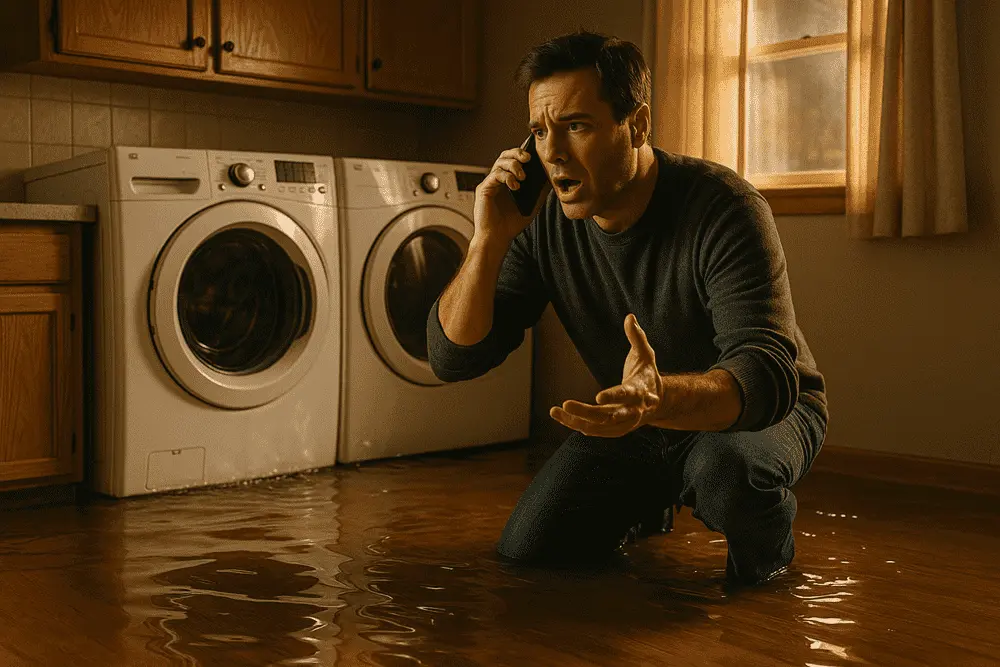
Plumbing emergencies can be stressful, chaotic, and damaging if not handled properly. A burst pipe, overflowing toilet, or a sudden water leak can quickly disrupt your home and put your property at risk. The good news? You don’t have to panic! At Holt Plumbing, Heating, Cooling, & Electrical, we’ve been helping Central Iowa homeowners manage plumbing emergencies for more than 75 years. Here’s what you need to know to protect your home and minimize damage while waiting for professional help.
Key Takeaways
- Stay calm, shut off water, and cut power if needed.
- Contain the leak and call Holt Plumbing, Heating, Cooling, & Electrical for 24/7 emergency service.
- Document the situation and plan preventive measures for the future.
1. Stay Calm and Assess the Situation
The first step in any plumbing emergency is to stay calm. Panicking can lead to rash decisions and more damage. Take a quick moment to assess what’s happening:
- Is water actively flooding into your home?
- Is there a visible leak, or does it seem to be hidden behind a wall or under the floor?
- Is the issue related to a specific fixture, like a sink or toilet, or is it affecting your entire plumbing system?
Understanding what’s going wrong will help you take the right next steps.
2. Shut Off the Water Supply
In most plumbing emergencies, stopping the flow of water is critical. Locate your home’s main water shut-off valve. For many Central Iowa homes, this is located:
- In the basement near the front foundation wall
- Near the water meter if you have one inside your home
- Outside, typically close to the street, if your meter is in a ground box
Turn the valve clockwise to stop water flow to your entire house.
If the emergency is isolated to one fixture (like a sink or toilet), you can often shut off water locally at the valve beneath that fixture.
3. Cut the Power If Necessary
If the plumbing issue is occurring near electrical wiring, outlets, or appliances, your safety must come first. Water and electricity are a dangerous mix that can result in severe injuries or even fire hazards. Immediately locate your home’s electrical breaker box and shut off the power to the affected area.
This simple step reduces the risk of electric shock to you and your family and helps prevent potential damage to your home’s electrical system. Once power is off, avoid using any electrical devices or touching affected outlets until a licensed professional has inspected and confirmed the area is safe.
4. Contain and Control the Water
Use towels, buckets, or even a wet/dry vacuum if available to control spreading water. For significant leaks:
- Place a bucket under dripping pipes or fittings.
- Use heavy-duty tape or plumber’s tape as a temporary solution to slow small leaks.
- Move valuable items (furniture, electronics, rugs) out of the affected area.
The goal is to limit water damage until professionals can arrive.
5. Relieve Pressure in Your Pipes
Even after you shut off the main water supply, water will remain in the pipes under pressure, which can continue to leak into your home. To relieve this pressure and minimize additional damage, turn on a cold-water faucet at the lowest level of your house, such as in the basement or a utility sink. This allows remaining water in the system to drain safely out of the pipes. Next, flush all toilets and briefly run taps throughout your home to release residual pressure. These simple steps can help reduce the chance of additional leaks or bursts while you wait for professional help.
6. Call Holt Plumbing, Heating, Cooling, & Electrical Right Away
Once the immediate risk is under control, call a trusted professional. With Holt Plumbing, Heating, Cooling, & Electrical, you’ll get:
- 24/7 emergency plumbing services—we’re always on call.
- Experienced, vetted technicians who handle plumbing emergencies every day.
- Flat-rate pricing so you know what to expect, even in stressful situations.
Our team is trained to handle all types of plumbing emergencies, from burst pipes and clogged drains to water heater leaks and sump pump failures.
7. Document the Damage for Insurance
If water damage occurs, take pictures and videos as soon as it’s safe to do so. These can help when filing insurance claims and speed up your restoration process.
8. Learn from the Emergency to Prevent Future Issues
After resolving the emergency, consider steps to reduce the risk of it happening again:
- Schedule regular plumbing inspections to catch small problems early.
- Install water leak detection devices and automatic shut-off valves.
- Winterize pipes to prevent freezing during Iowa’s cold winters.
- Join Holt’s Membership, which offers priority service, discounts, and annual maintenance.
Why Choose Holt Plumbing, Heating, Cooling, & Electrical?
For more than 75 years, Holt Plumbing, Heating, Cooling, & Electrical has been Central Iowa’s trusted name in plumbing, heating, and cooling. We combine family values, expertise, and 24/7 availability to ensure you’re never alone during a plumbing emergency.
When disaster strikes, let Holt handle that—because your comfort and safety are our mission.