Power outages aren’t just inconvenient in Iowa — they can be disruptive, costly, and even dangerous depending on the season. From summer thunderstorms rolling across Central Iowa to ice storms and blizzard conditions in winter, Des Moines homeowners know that severe weather can knock out electricity with little warning.
Holt Plumbing & Heating, Inc. has proudly served the greater Des Moines area for decades, providing reliable plumbing, heating, and cooling solutions backed by exceptional customer care and craftsmanship. For homeowners in Des Moines, West Des Moines, Urbandale, Waukee, Ankeny, and Clive, installing a whole-home generator offers peace of mind and reliable protection when the grid goes down.
Here’s what you need to know about how whole-home generators work — and why they’re becoming a smart investment for Iowa homes.
Why Power Outages Are a Real Concern in Iowa
Iowa experiences a wide range of weather-related power disruptions, including:
- Severe thunderstorms with high winds
- Lightning strikes
- Ice accumulation on power lines
- Heavy snowstorms
- Tornado activity
- Summer heat waves stressing the grid
Even short outages can create problems. Extended outages can disrupt heating, cooling, refrigeration, sump pumps, and medical equipment.
In winter, losing power can quickly lead to freezing indoor temperatures and frozen pipes. In summer, high heat and humidity can make homes unsafe without air conditioning.
A whole-home generator eliminates that uncertainty.
What Is a Whole-Home Generator?
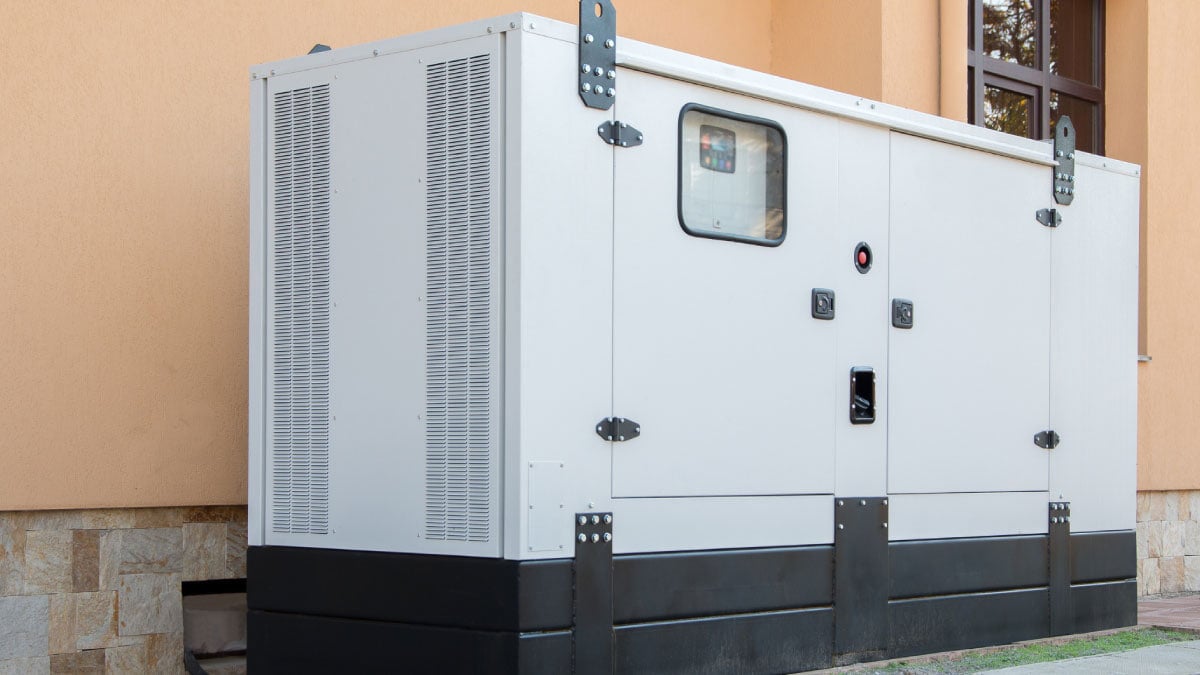
A whole-home generator, also called a standby generator, is permanently installed outside your home. It connects directly to your electrical system and activates automatically when a power outage occurs.
Unlike portable generators, whole-home systems:
- Turn on within seconds of an outage
- Power most or all of your home
- Run on natural gas or propane
- Do not require manual setup during storms
Once utility power is restored, the system automatically shuts off.
How a Whole-Home Generator Protects Your Home
When the power goes out, several critical systems in your home stop working.
A standby generator keeps essential equipment running, including:
- Heating systems
- Air conditioning
- Sump pumps
- Refrigerators and freezers
- Medical devices
- Lighting and security systems
- Water heaters
- Well pumps (if applicable)
For many Des Moines homeowners, maintaining sump pump operation alone can prevent thousands of dollars in water damage during heavy rainfall.
Winter Protection: Avoid Frozen Pipes and Heating Loss
Iowa winters can be unforgiving. When temperatures fall below freezing, your furnace works hard to keep pipes from freezing.
If power is lost during subzero weather:
- Furnaces shut down
- Pipes begin to freeze
- Ice can cause pipe expansion
- Burst pipes may follow
Water damage from frozen pipes is one of the most expensive home repairs.
A whole-home generator keeps your heating system running — protecting both comfort and plumbing infrastructure.
Summer Protection: Beat the Heat and Humidity
Summer outages are just as disruptive.
Without power:
- Air conditioning stops
- Humidity rises
- Food spoils
- Basements may flood if storms continue
For families with young children, elderly residents, or pets, extreme indoor heat can become dangerous quickly.
Reliable backup power ensures your cooling system continues operating even during extended outages.
What Homeowners Should Know About Generator Installation
Whole-home generators are professionally installed and connected directly to your home’s electrical panel.
Installation typically includes:
- A concrete pad for the unit
- Electrical wiring to your main panel
- A transfer switch
- Connection to a fuel source (natural gas or propane)
Professional installation ensures compliance with local building codes and safe operation.
Because the system is automatic, you don’t need to go outside in severe weather to start it.
Financial Protection: Prevent Costly Damage
Power outages can cause:
- Flooded basements
- Frozen pipes
- Food spoilage
- Lost work time
- Equipment damage
For homeowners who work remotely, even a few hours without power can interrupt productivity.
A generator is an investment in protecting your property, possessions, and daily routine.
Added Home Value and Buyer Appeal
Whole-home generators are increasingly attractive to homebuyers in storm-prone regions like Iowa.
Having backup power installed can:
- Increase property appeal
- Provide a competitive advantage in resale
- Demonstrate proactive home maintenance
Buyers recognize the value of reliable infrastructure — especially after experiencing outages themselves.
Safety Compared to Portable Generators
Portable generators require:
- Manual setup
- Fuel storage
- Extension cords
- Outdoor operation
Improper use can create safety hazards, including carbon monoxide risks.
Whole-home generators are permanently installed, vented properly, and operate safely when installed by licensed professionals.
When Is a Whole-Home Generator Most Beneficial?
You may especially benefit from a generator if:
- Your home relies on a sump pump
- You have a finished basement
- You work from home
- You have medical equipment requiring power
- Your area experiences frequent outages
- You want uninterrupted HVAC performance
Many Central Iowa neighborhoods experience brief but repeated outages during storm season.
How Generators Support Whole-Home Systems
Generators don’t just power lights. They protect your entire comfort system.
When integrated properly, a generator supports:
- HVAC systems
- Plumbing equipment
- Water heaters
- Electrical panels
- Refrigeration
At Holt Plumbing & Heating, we understand how these systems work together. Protecting one often protects the others.
Need expert help now? Contact Holt for same-day plumbing or HVAC solutions.
Maintenance Requirements for Whole-Home Generators
Like any mechanical system, generators require maintenance.
Routine service typically includes:
- Oil and filter changes
- Battery inspection
- Electrical testing
- System diagnostics
Annual maintenance ensures your generator is ready when you need it most.
Regular inspection prevents unexpected startup failures during storms.
A Realistic Iowa Scenario
A severe thunderstorm moves through West Des Moines overnight. High winds knock out power across the neighborhood.
Homes without backup power lose air conditioning and sump pump operation. After several hours of heavy rain, one basement begins to take on water.
Next door, a standby generator activates automatically. The sump pump continues running. The refrigerator stays cold. The home remains comfortable.
The difference is preparation.
Frequently Asked Questions About Whole-Home Generators
How quickly does a standby generator turn on?
Most systems activate within seconds of detecting a power outage.
Do generators power the entire home?
Many systems are sized to power most or all essential circuits.
Are generators loud?
Modern standby generators operate at relatively low noise levels compared to portable units.
How long can a generator run?
As long as fuel is available, most systems can run continuously.
Reliable Power When You Need It Most
Iowa weather can change quickly. Storms, ice, and extreme temperatures can leave homes without electricity at the worst possible times.
A whole-home generator provides stability, comfort, and protection when the grid fails. It keeps your heating, cooling, plumbing, and electrical systems running — so your family stays safe and comfortable.
Call Holt Plumbing & Heating today to schedule fast, reliable service in Des Moines. Schedule your appointment with Holt Plumbing & Heating and experience the trusted local expertise that helps Iowa homeowners stay prepared in every season.