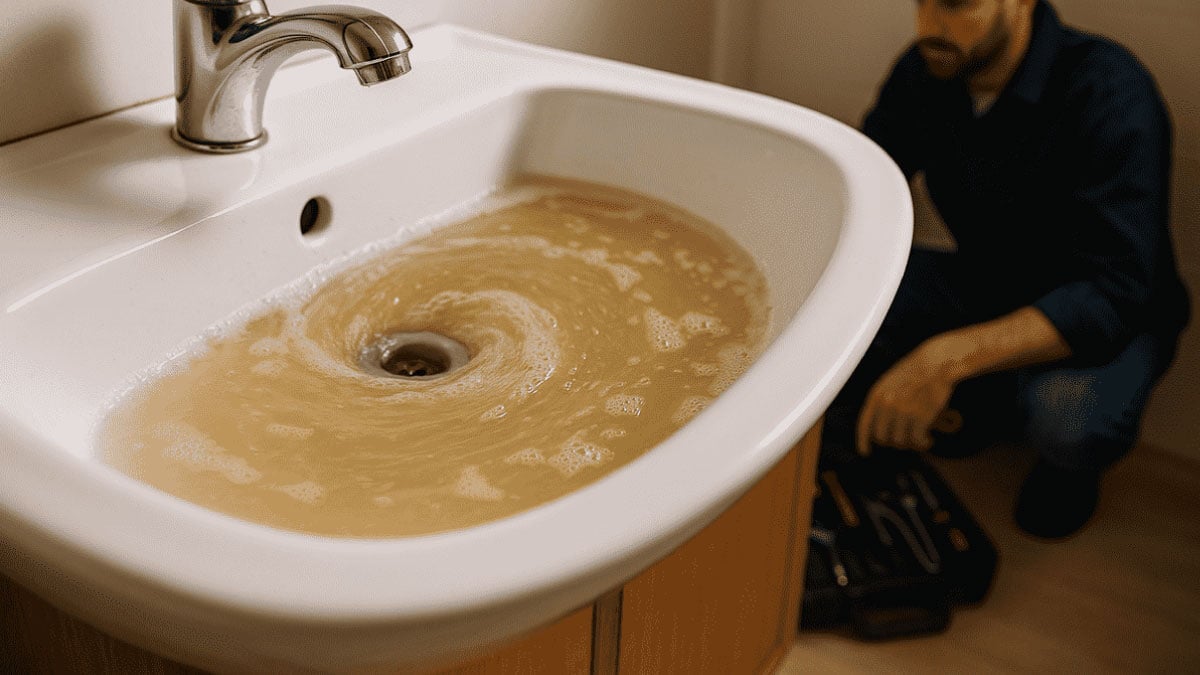
If your sinks, tubs, or showers start draining slower in early spring, you’re not alone. Across Des Moines and surrounding Iowa communities, homeowners often notice drain issues right as winter ends. It’s frustrating and easy to ignore, but slow drains in spring are often an early warning sign of a bigger plumbing problem forming.
Holt Plumbing & Heating, Inc. helps homeowners throughout the Des Moines area with drain cleaning, sewer line issues, and plumbing repairs year-round. And every spring, the same pattern shows up: winter stress plus spring moisture creates the perfect conditions for slow drains, clogs, and even backups.
The good news is that if you catch the issue early, you can often prevent expensive damage.
Why Do Drains Slow Down More Often in Early Spring?
In Iowa, spring doesn’t just mean warmer weather, it means:
- thawing ground
- snow melt runoff
- heavy rainfall
- shifting soil around sewer lines
These seasonal changes can impact both indoor drains and underground plumbing systems. Even if your drains worked fine all winter, early spring conditions can reveal weaknesses fast.
Common Causes of Slow Drains in Early Spring
1. Winter Grease and Food Buildup in Kitchen Drains
During winter, many households cook more at home. That means more grease, oils, and food waste going down the kitchen sink. Even if you rinse with hot water, grease often cools and hardens inside pipes.
By spring, buildup can become thick enough to restrict flow.
Signs this is the issue include:
- gurgling sounds from the sink
- slow draining after washing dishes
- unpleasant odors near the drain
Professional drain cleaning is often the best way to remove grease safely without damaging pipes.
2. Hair and Soap Scum Accumulation in Bathroom Drains
Bathroom drains clog slowly over time. Hair, soap residue, and mineral deposits combine into a sticky blockage that gets worse month after month.
Winter showers are often longer and hotter, which can accelerate buildup.
Common symptoms:
- tub draining slowly
- standing water during showers
- water backing up into the tub when using the sink
3. Freeze-Thaw Shifts Affecting Sewer Lines
Iowa’s freeze-thaw cycle doesn’t just stress water supply lines, it can also affect sewer and drain lines underground. As frozen soil expands and contracts, pipes may shift slightly or settle unevenly.
This can cause:
- sagging pipes (also called “bellies”)
- misaligned joints
- cracks in older clay or cast iron lines
When a sewer line shifts, wastewater flow slows down, leading to repeated clogs.
4. Tree Root Intrusion as Spring Growth Begins
In early spring, tree roots become active again, searching for moisture. If you have older sewer lines with small cracks or joints, roots can infiltrate and grow inside the pipe.
This is especially common in established Des Moines neighborhoods with mature trees.
Signs of root intrusion include:
- slow drains throughout the home
- repeated clogs that return quickly
- gurgling toilets or bubbling drains
- sewage odors
Root intrusion is one of the most common causes of major spring drain issues.
5. Increased Groundwater and Drain System Overload
Spring rain and snowmelt can raise groundwater levels around your home. When the soil becomes saturated, it can put pressure on underground plumbing systems.
If your sewer line already has a weak point, spring moisture can make it worse, causing slow flow or backups.
6. Poor Venting or Blocked Plumbing Vents
Your plumbing system relies on vent pipes to regulate air pressure. If vents are blocked, sometimes by debris or animal nests drains can slow down and gurgle.
Symptoms include:
- slow draining sinks and tubs
- toilet bubbles when other drains are used
- strong sewer smells
Venting issues often require professional diagnosis.
Why Slow Drains Should Never Be Ignored
A slow drain isn’t just an inconvenience, it’s often a sign that a clog is growing. When homeowners wait too long, the problem can turn into:
- complete blockage
- sewage backup into tubs or basement drains
- water damage to flooring and drywall
- costly sewer line repair
Spring is one of the most common seasons for emergency drain calls because small issues escalate quickly when water usage increases.
What Homeowners Can Try Before Calling a Plumber
Some minor slow drains can be addressed safely, but it’s important not to make the situation worse.
Safe DIY Steps
- Remove visible hair or debris from drain openings
- Use a drain snake for small clogs near the surface
- Flush drains with hot water (especially kitchen sinks)
- Clean sink stoppers and pop-up assemblies
What to Avoid
Avoid using chemical drain cleaners. They can:
- damage pipes over time
- worsen corrosion in older plumbing systems
- create safety hazards for plumbers during repairs
If you’re dealing with recurring slow drains, professional cleaning is safer and more effective.
How Professional Drain Cleaning Works
Holt Plumbing & Heating uses professional equipment that clears clogs completely instead of just poking a small hole through them.
Depending on the situation, drain cleaning may include:
- mechanical augers for tough blockages
- high-powered cleaning methods to remove grease buildup
- inspections to identify deeper sewer line problems
If roots or damaged pipes are involved, additional sewer line services may be recommended.
How to Prevent Drain Problems in Spring and Summer
Keep Grease Out of Kitchen Drains
Grease should always be poured into a container and thrown away, not rinsed down the sink.
Use Drain Screens in Showers and Sinks
A simple drain screen can catch hair and prevent slow clogs from forming.
Flush Drains Regularly
Running hot water through sinks and tubs weekly can reduce buildup and odors.
Schedule Preventive Drain Cleaning
Many homeowners wait until a clog becomes an emergency. Scheduling drain cleaning in early spring helps prevent backups during Iowa’s rainy season.
When Slow Drains Mean You May Have a Sewer Line Issue
If more than one drain is slow at the same time, it may indicate a main sewer problem.
Call a professional if you notice:
- multiple slow drains throughout the home
- toilets gurgling when showers run
- water backing up into basement floor drains
- sewage odors in the home or yard
These are common signs of a blockage in the main sewer line.
Plumbing, Basement Moisture, and Indoor Air Quality
Slow drains and sewer issues can also contribute to poor indoor air quality. Backups, moisture, and sewage gases can create:
- musty odors
- bacteria buildup
- mold risk in basements
- unhealthy indoor air conditions
Holt Plumbing & Heating offers both plumbing solutions and indoor air quality support to keep your home clean, safe, and comfortable.
Stop Small Drain Problems Before They Become Major Repairs
Spring is the season when drain issues often show up, but they don’t have to turn into major plumbing emergencies. If your drains are slowing down, it’s better to address the issue early before clogs or sewer backups occur.
Call Holt Plumbing & Heating today to schedule fast, reliable drain cleaning in Des Moines.
Need expert help now? Contact Holt for same-day plumbing solutions and sewer line service.
Schedule your appointment with Holt Plumbing & Heating and experience the service Des Moines homeowners trust.