Key Takeaways:
- Your plumbing, water heater, and sump pump are just as critical as your furnace for winter readiness.
- Preventing frozen pipes and leaks saves money and avoids emergency repairs.
- Routine inspections of all home systems ensures energy efficiency and safety all winter long.
Winter Maintenance Means More Than Heating
When winter hits Iowa and the Midwest, most homeowners focus on one essential task, making sure the furnace works. While heating your home is crucial, it’s far from the only system that demands attention. Ignoring plumbing-related maintenance can lead to frozen pipes, burst lines, flooded basements, or a failed water heater, all of which can cost far more to fix than a simple seasonal tune-up.
Your furnace may keep the air warm, but your plumbing system keeps your home functional and safe. Water heaters, boilers, sump pumps, and even hidden plumbing lines are under more stress during cold months than at any other time of year. This guide explains why comprehensive winter maintenance matters and what steps you should take to prepare your home before temperatures drop.
The Hidden Risk: Plumbing Systems Under Winter Stress
While the furnace works hard to heat your air, your plumbing system deals with temperature extremes that threaten water flow and pressure stability. Water expands when it freezes, and that pressure can rupture pipes, especially those near exterior walls, crawl spaces, or unheated basements.
Additionally, low humidity and fluctuating temperatures can cause pipe joints and fittings to contract, leading to small leaks that may go unnoticed until significant damage occurs. These issues don’t just happen in older homes; even modern plumbing systems can freeze if they’re not properly insulated or maintained.
A proactive approach (inspecting insulation, sealing gaps, and monitoring pipe temperatures) ensures that your home’s water system survives the cold intact.
Water Heater: The Unsung Hero of Winter Comfort
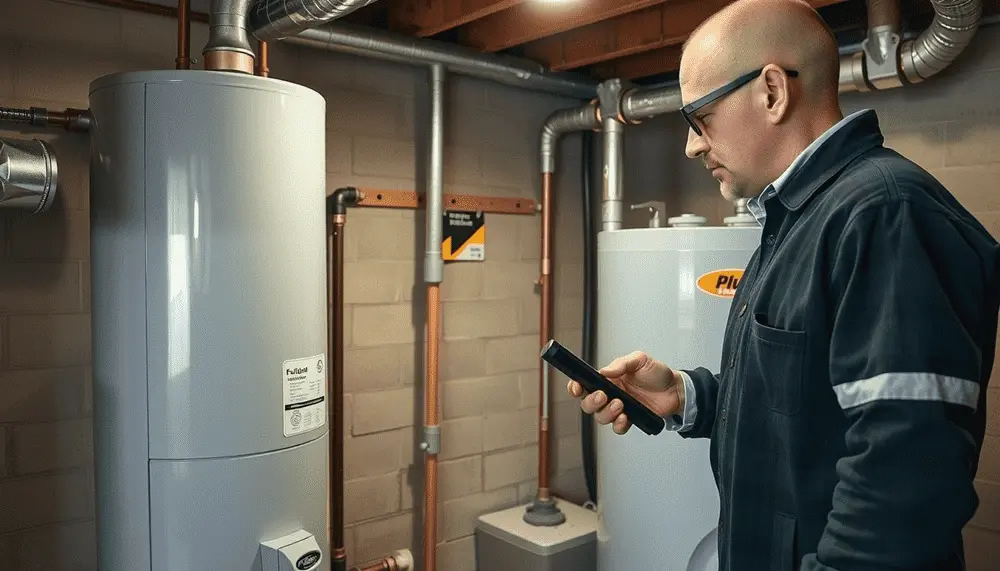
Your water heater is one of the most important but overlooked systems during the winter. When outdoor temperatures drop, your water heater must work harder to deliver warm water for showers, dishwashing, and laundry. Without regular maintenance, efficiency plummets and failure risk increases.
Key maintenance steps:
- Flush the tank: Sediment buildup reduces heating efficiency and can cause premature corrosion. Drain and flush your tank at least once before winter.
- Inspect the anode rod: This metal rod attracts corrosive elements and prevents rust inside the tank. Replace it if it’s more than 50% worn.
- Insulate the tank and pipes: A simple water heater blanket and foam pipe sleeves help maintain heat and reduce energy costs.
- Check the thermostat: Ensure the water temperature is set to around 120 °F—hot enough for comfort but safe from scalding and excessive energy use.
Ignoring these steps can leave you with lukewarm water (or none at all) on the coldest days of the year.
Boilers: Heating and Plumbing in One
Homes with radiant heat systems rely on boilers, which serve both heating and hot water needs. Like furnaces, boilers require regular service, but their plumbing components make them even more vulnerable to cold-related issues.
Boilers need clean water circulation, stable pressure, and reliable valves to function correctly. Before winter, a licensed technician should:
- Check the pressure relief valve for leaks or blockages.
- Bleed air from the radiators to prevent cold spots.
- Inspect the expansion tank for signs of corrosion or waterlogging.
- Verify antifreeze levels if your system uses hydronic heating with glycol solutions.
A malfunctioning boiler can leave your home without heat or hot water, both of which are critical during Iowa’s deep freezes.
Sump Pumps: Your Basement’s Winter Defender
Sump pumps are designed to keep basements dry, but during winter, they can freeze if not properly maintained. When the discharge line or pit freezes, your sump pump cannot expel water, leading to flooding when snow melts or heavy rain follows a thaw.
To prepare your sump pump for winter:
- Inspect and clean the pump and pit to remove debris.
- Ensure the discharge line is insulated or fitted with a freeze guard to allow drainage even in subzero temperatures.
- Test the pump by pouring a bucket of water into the pit; the pump should activate immediately.
- Check the backup power source (battery or generator) to ensure it’s operational.
If your home is in a low-lying area or has a history of water intrusion, a properly maintained sump pump is not optional, it’s essential.
Winter Leaks: The Silent Threat to Home Efficiency
Cold weather can cause minor plumbing leaks to worsen, especially when pipes expand and contract with temperature changes. Even small drips can waste gallons of water and contribute to hidden mold or structural damage over time.
Inspect these key areas:
- Under kitchen and bathroom sinks.
- Around toilets and water supply lines.
- Behind washing machines and dishwashers.
- At the water heater base or boiler connections.
If you notice moisture, condensation, or a musty smell, call a plumber before it escalates. Consider installing smart leak detectors that send alerts to your phone when moisture is detected, an inexpensive safeguard against major water damage.
The Importance of Pipe Insulation and Draft Sealing
Many homeowners think insulation is only for comfort, but it’s also critical for protecting your plumbing. Pipes located in basements, crawl spaces, attics, or exterior walls are highly susceptible to freezing.
To protect them:
- Wrap pipes in foam insulation or fiberglass sleeves.
- Seal foundation cracks and wall penetrations with spray foam or caulk to block cold air drafts.
- Keep interior doors open to promote warm air circulation near plumbing areas.
This kind of proactive insulation reduces energy use, maintains water flow, and prevents catastrophic pipe bursts that can destroy floors, drywall, and furnishings.
Don’t Forget the Outdoor Plumbing
Exterior plumbing often gets overlooked until a freeze hits. Hose bibs, irrigation systems, and outdoor faucets should all be drained and disconnected before temperatures drop.
Steps to follow:
- Shut off the interior water supply valve for outdoor spigots.
- Open the exterior faucet to drain remaining water.
- Detach garden hoses and store them indoors.
- For sprinkler systems, perform a blow-out procedure to clear underground lines.
Taking these precautions helps ensure your outdoor plumbing doesn’t create indoor problems when ice expands and cracks fittings or connectors.
Coordinating Your Winter Maintenance Schedule
Rather than treating each system separately, consider a coordinated maintenance plan. Schedule your furnace inspection alongside plumbing winterization. Our experienced plumbing contractors offer bundled seasonal services that ensure all systems are ready at once.
This approach saves time, reduces scheduling stress, and ensures nothing is overlooked. A comprehensive inspection might include:
- Furnace or boiler tune-up.
- Water heater flushing and inspection.
- Sump pump and discharge line testing.
- Pipe insulation and leak checks.
Keeping all of these tasks aligned ensures maximum home efficiency and protection.
The Long-Term Benefits of Comprehensive Winter Maintenance
Winter maintenance is an investment in your home’s safety, comfort, and efficiency. When every system, from heating to plumbing, is inspected and optimized, you’ll experience:
- Lower utility bills, due to efficient operation and reduced heat loss.
- Fewer emergency repairs, since potential issues are addressed early.
- Extended equipment lifespan, preventing costly replacements.
- Improved indoor comfort and peace of mind, knowing your home is winter-ready.
Skipping these tasks might save time now, but could result in unexpected breakdowns later, often at the worst possible moment.
A Warm Home Starts With More Than Heat
Your furnace is vital, but it’s only one piece of the winter readiness puzzle. Water heaters, boilers, sump pumps, and plumbing systems all require attention to keep your home safe and functional when temperatures plummet.
By expanding your winter maintenance checklist beyond just heating, you’re not only preventing costly repairs, you’re protecting the comfort and security of your entire household.
Take the time to inspect, insulate, and service your systems before the first hard freeze. A little preparation now ensures a warm, dry, and stress-free winter in your Iowa home. Contact Holt today and schedule your maintenance.