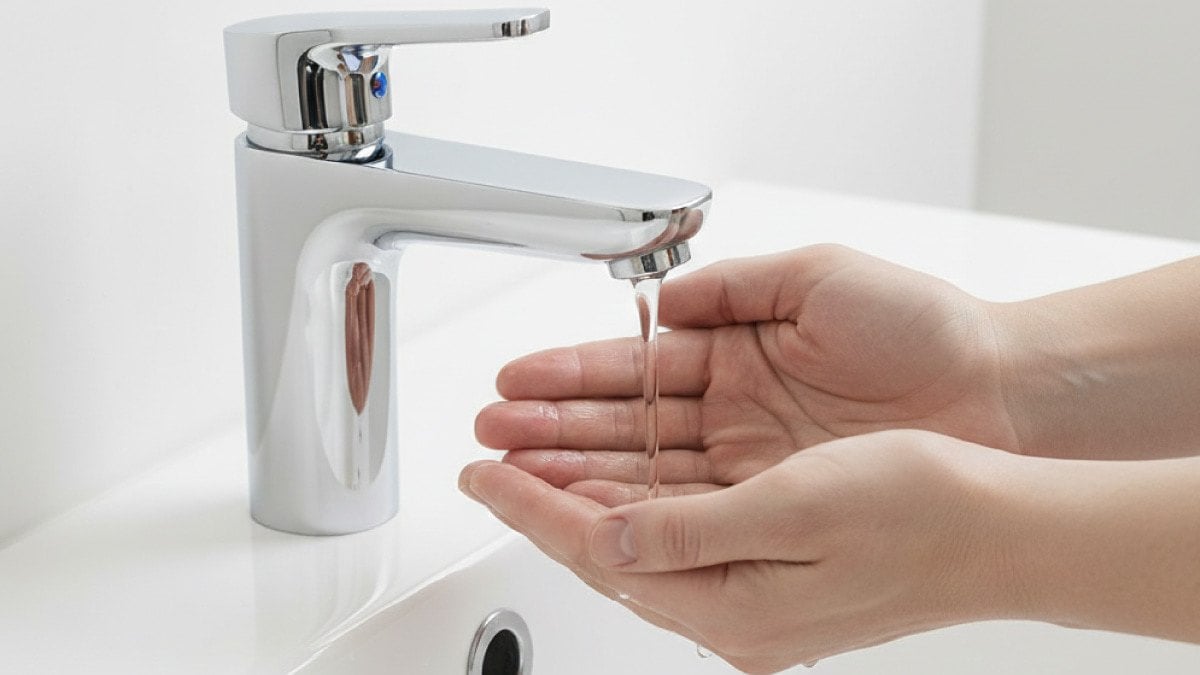
If your water pressure seems weaker in the winter, you’re not imagining things. In Iowa, cold weather can put serious strain on plumbing systems, and many Des Moines homeowners notice changes like slow showers, weak faucets, or washing machines that take longer to fill.
Holt Plumbing & Heating, Inc. has helped homeowners across the Des Moines metro handle winter plumbing issues for decades, and one of the most common seasonal complaints is low water pressure. The tricky part is that winter-related pressure problems can come from several sources, some minor and some that need immediate attention.
Let’s break down why winter is so hard on your water pressure and what you can do to fix it before it becomes a bigger plumbing headache.
Why Does Water Pressure Drop More Often in Winter?
During Iowa winters, plumbing systems deal with challenges they don’t face the rest of the year. The biggest culprit is temperature fluctuation, freezing nights followed by slightly warmer days. This creates expansion and contraction inside pipes and the ground around them.
Winter water pressure problems usually happen because:
- pipes begin freezing or partially freezing
- underground lines are affected by frost depth
- mineral buildup becomes more noticeable
- leaks form due to freeze-thaw stress
- water demand increases across neighborhoods
Even if your plumbing system is in decent shape, winter can expose weak spots quickly.
Common Winter Causes of Low Water Pressure in Iowa Homes
1. Partially Frozen Pipes
A pipe doesn’t have to freeze solid to cause trouble. Even a small amount of ice buildup inside the line can restrict flow and lower pressure.
This is most common in:
- exterior walls
- crawl spaces
- basements
- garages
- pipes under kitchen sinks along outside walls
Warning sign: Your water pressure drops in one area of the home but stays normal elsewhere.
If you suspect freezing, don’t ignore it, partially frozen pipes can burst as temperatures shift.
2. Water Line Issues from Frost and Frozen Ground
In Des Moines and surrounding communities like Ankeny, Waukee, and Urbandale, the ground can freeze deep enough to affect underground water lines, especially older or shallow lines.
As soil freezes, it expands and shifts, putting pressure on buried pipes. That movement can cause:
- cracks
- misalignment
- small leaks
- restricted flow
This is often harder to spot because the damage may be underground and invisible until it worsens.
3. A Hidden Leak Caused by Freeze-Thaw Stress
Low water pressure can be one of the earliest signs of a leak. During Iowa’s freeze-thaw cycle, small cracks can form in pipe joints or fittings. You may not see water inside the home, but you might notice:
- weak pressure
- damp basement corners
- puddles near the foundation
- unexplained increases in your water bill
Leak detection is one of Holt’s most important winter plumber because early repair prevents expensive water damage.
4. Clogged Faucet Aerators and Showerheads
Winter often increases mineral buildup issues, especially in areas with hard water. Over time, sediment can clog faucet aerators and showerheads, restricting flow.
If your water pressure is low only at certain fixtures, the issue may be localized.
A simple fix may be cleaning or replacing the aerator, but if buildup is widespread, it could indicate a larger problem inside your plumbing system.
5. Pressure Regulator Problems
Many homes have a pressure reducing valve (PRV) that controls incoming water pressure. Cold weather can aggravate older PRVs, causing them to stick or fail.
A failing regulator can cause:
- low pressure throughout the house
- pressure that fluctuates randomly
- occasional banging pipes
If your whole home suddenly has weak pressure, the PRV is worth checking.
6. Increased Neighborhood Water Demand
During winter, overall water usage patterns change. People stay indoors more, take hotter showers, run humidifiers, and use more appliances. In some neighborhoods, demand can temporarily impact water pressure, especially during peak morning or evening hours.
This isn’t usually a major concern, but if the pressure drop is consistent and worsening, the issue is likely inside your home.
7. Aging Pipes and Winter Vulnerability
Older homes in Des Moines often have plumbing systems made from galvanized steel, cast iron, or other materials that are more prone to corrosion and mineral buildup.
In winter, the effects of narrowing pipe interiors become more noticeable because the system is under additional strain from temperature shifts.
Signs your pipes may be aging out include:
- recurring low pressure issues
- rusty or discolored water
- frequent clogs
- pinhole leaks
Holt Plumbing & Heating can evaluate your system and recommend repair or replacement options that make sense for your home and budget.
How to Tell If Low Water Pressure Is a Plumbing Emergency
Not every winter pressure drop is an emergency, but some are.
Call a plumber right away if:
- pressure drops suddenly and dramatically
- only hot or only cold water is affected
- you notice frost on exposed pipes
- water stops flowing entirely
- you see water stains, damp drywall, or puddles
- your basement smells musty or damp
A sudden loss of pressure can mean a pipe is freezing or already cracked.
DIY Steps Homeowners Can Try First
If your water pressure is low, here are a few safe things you can check before calling a professional.
Check Multiple Fixtures
Determine whether the issue is isolated or affecting the whole home.
- One faucet only = likely aerator or fixture issue
- Whole house = likely supply line, regulator, or leak
Clean Faucet Aerators
Unscrew the aerator, rinse it, and remove mineral deposits. A vinegar soak can help dissolve buildup.
Inspect Exposed Pipes
Look in basements, crawl spaces, and utility rooms for:
- frost buildup
- condensation
- cracks or bulging
- dripping water
If you see signs of freezing, increase heat in that area immediately.
Confirm the Main Shut-Off Valve Is Fully Open
Sometimes the main shut-off valve gets bumped or partially closed. Ensure it’s fully open to maximize flow.
How Holt Can Fix Winter Water Pressure Problems
When low water pressure doesn’t improve or when it’s caused by freezing or underground issues, professional diagnosis matters.
Holt Plumbing & Heating can help with:
- leak detection and repair
- frozen pipe thawing and prevention
- water line inspection and replacement
- pressure regulator replacement
- drain and plumbing system evaluations
- water heater troubleshooting if pressure issues involve hot water
Many homeowners assume pressure issues are “just winter,” but Holt often finds a fixable underlying problem that can prevent long-term damage.
Can Your Water Heater Cause Low Water Pressure?
Yes, sometimes. If you only notice low pressure on the hot water side, the issue may involve:
- sediment buildup in the water heater
- a partially closed hot water valve
- corroded pipes connected to the tank
- failing dip tube (in older systems)
Holt provides water heater repair and replacement services, including tank and tankless systems, and can determine whether your water heater is contributing to the pressure drop.
How to Prevent Low Water Pressure Next Winter
Prevention is often easier (and cheaper) than emergency plumbing repair.
Insulate Pipes in Vulnerable Areas
Pipe insulation is especially important in garages, crawl spaces, and exterior walls.
Seal Drafts Around Plumbing Penetrations
Cold air leaks around pipe entry points can freeze lines quickly. Sealing gaps helps keep temperatures stable.
Schedule a Winter Plumbing Inspection
A quick inspection can identify weak points before they crack under pressure.
Consider Water Filtration or Softening
Hard water buildup can slowly restrict pipes and fixtures. Filtration and softening solutions can protect plumbing long-term.
Keep Your Home Heating Consistent
Turning the heat too low overnight increases freeze risk and can lead to pressure issues.
When Low Water Pressure Is a Sign of Something Bigger
Sometimes low pressure is the first symptom of a more serious issue, like a failing main line or pipe corrosion. If your home has repeated winter pressure drops, it’s worth getting a professional evaluation.
Holt Plumbing & Heating also offers related services like drain cleaning, sump pump installation, and heating system maintenance, all of which help protect your home during Iowa’s harsh seasons.
Get Reliable Water Pressure Back Before Winter Damage Spreads
Low water pressure may seem like a minor inconvenience, but in Iowa winters it can be an early warning sign of frozen pipes, leaks, or underground line problems. The sooner you address it, the better chance you have of avoiding major repairs.
Call Holt Plumbing & Heating today to schedule fast, reliable plumbing service in Des Moines.
Need expert help now? Contact Holt for same-day plumbing solutions and leak detection.
Schedule your appointment with Holt Plumbing & Heating and experience the service Des Moines homeowners trust.