Key Takeaways:
- Proper plumbing winterization in Iowa prevents costly pipe bursts and water damage.
- Insulation, sealing, and temperature monitoring are critical for freeze protection.
- A professional inspection ensures your system is ready for subzero temperatures.
Why Winterizing Plumbing Matters in Iowa
Iowa winters are notoriously harsh. With average lows dipping well below freezing and cold snaps reaching the -20 °F range, your plumbing system becomes one of the most vulnerable parts of your home. Pipes exposed to frigid air can freeze, expand, and burst, causing extensive water damage, structural issues, and emergency repair costs that can easily exceed thousands of dollars.
Properly winterizing your plumbing is not just a good idea, it’s essential preventive maintenance for Iowa homeowners. In this guide, we’ll cover step-by-step how to prepare your home’s plumbing for the cold season, the tools, and materials you’ll need, and professional tips to minimize risk and maintain efficiency.
Step 1: Inspect and Identify Vulnerable Areas
Before adding insulation or draining water lines, start by assessing where your plumbing is most at risk. Focus on:
- Exposed pipes in unheated areas such as basements, crawl spaces, attics, and garages.
- Outdoor spigots and hose bibs, which often freeze first.
- Pipes along exterior walls, especially those with minimal insulation.
- Plumbing in mobile or modular homes, which often have limited thermal protection.
Walk through your home with a flashlight and notepad, identifying any sections of pipe that are visible and near exterior walls or vents. Note any drafts or cold air leaks, as these will need to be sealed before temperatures drop.
Step 2: Insulate Pipes and Plumbing Fixtures
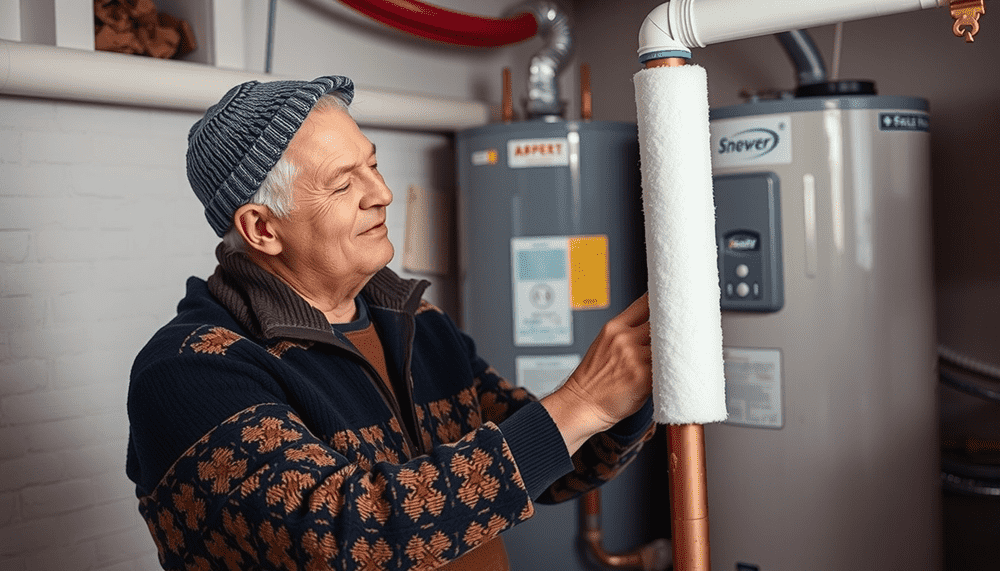
Insulation is your first line of defense against frozen pipes. Even in partially heated spaces, exposed metal pipes can quickly reach freezing temperatures if airflow is inconsistent.
Recommended materials include:
- Foam pipe insulation sleeves – inexpensive, easy to cut, and effective.
- Fiberglass pipe wrap – ideal for irregularly shaped plumbing or fittings.
- Heat tape or cable – an electric option that maintains a safe pipe temperature during extreme cold.
When installing insulation:
- Measure the length of each pipe section to ensure proper coverage.
- Clean and dry the pipe surface before applying insulation.
- Use waterproof tape or zip ties to secure seams and prevent gaps.
In Iowa’s colder regions, consider combining foam insulation with thermostatically controlled heat tape on pipes that run along exterior walls or through unheated crawl spaces.
Step 3: Drain and Disconnect Outdoor Water Lines
Outdoor plumbing is the first to freeze and should be completely drained before winter. Here’s how:
- Disconnect all hoses from outdoor spigots. Store them indoors to prevent cracking.
- Shut off the interior valve that supplies water to outdoor faucets (usually found near the basement ceiling).
- Open the exterior faucet to let remaining water drain out.
- If your home has frost-free hose bibs, check that they are installed with the correct downward slope to ensure proper drainage.
For irrigation systems, consult your manual or call a local plumber to perform a blow-out procedure using compressed air. This ensures that no residual water remains in underground lines.
Step 4: Seal Cracks and Prevent Drafts
Cold air entering through small cracks or gaps can dramatically increase the risk of frozen pipes, especially around sill plates, basement windows, and entry points where pipes penetrate exterior walls.
Use the following materials for sealing:
- Spray foam insulation for larger gaps around plumbing penetrations.
- Silicone caulk for small cracks around windows, vents, or foundation joints.
- Weatherstripping on basement doors or crawl space hatches.
This step not only protects your plumbing but also boosts your home’s energy efficiency by reducing heat loss.
Step 5: Maintain a Safe Indoor Temperature
A common mistake among homeowners trying to save on heating costs is lowering the thermostat too much at night or while away. However, temperatures below 55 °F can lead to pipe freezing, particularly in uninsulated areas.
Best practices include:
- Keep the thermostat set at a consistent temperature—even when sleeping or traveling.
- Open cabinet doors under sinks to allow warm air circulation around pipes.
- Close garage doors if water lines run through the space.
- Use smart thermostats to monitor and control heating while away from home.
During extreme cold spells, let faucets drip slightly. Moving water is far less likely to freeze.
Step 6: Check and Maintain Your Water Heater
Your water heater works overtime during winter, and if it’s not properly maintained, you could experience inefficiency or even failure when you need it most.
Perform a pre-winter inspection by:
- Draining sediment from the tank to improve heating efficiency.
- Checking the anode rod for corrosion.
- Insulating the tank and hot water pipes with a water heater blanket.
If your water heater is over 10 years old, consider a professional inspection or replacement before the onset of severe winter temperatures.
Step 7: Prepare for Emergencies
Even with perfect preparation, extreme conditions can still lead to frozen pipes. Having an emergency plan minimizes damage and response time.
Essential emergency steps:
- Know where your main water shut-off valve is and ensure it’s accessible.
- Keep a space heater and towels on hand for temporary thawing of exposed areas.
- Avoid open flames when thawing pipes—use controlled heat only.
- Have a local emergency plumber’s number saved in your phone before winter begins.
It’s also wise to install smart water leak detectors that alert you via smartphone if a pipe bursts or moisture levels rise unexpectedly.
Step 8: Consider Professional Winterization Services
For many homeowners in Iowa, especially those with older homes or complex plumbing systems, a professional inspection is a worthwhile investment. Our licensed plumbers can:
- Pressure-test your plumbing system.
- Identify weak joints or slow leaks.
- Install advanced insulation or heat-tracing systems.
- Provide documentation for home insurance or seasonal maintenance records.
If you plan to be away from home for the winter, professional winterization is particularly important to prevent damage during long periods of unoccupancy.
Step 9: Address Seasonal Maintenance Beyond Plumbing
While this guide focuses on plumbing, remember that your overall winter readiness depends on multiple systems working together. Check:
- Attic insulation to maintain even temperatures throughout the home.
- Weatherstripping and door seals for energy efficiency.
- Gutter and downspout cleaning to prevent ice dams that can cause leaks.
Keeping your home’s envelope tight not only protects pipes but also supports consistent indoor comfort and reduces heating costs throughout the season.
Peace of Mind Through Preparation
Winter in Iowa is inevitable, but plumbing disasters don’t have to be. By inspecting, insulating, sealing, and preparing your plumbing system ahead of time, you can avoid costly damage and the stress of emergency repairs during subzero weather.
Investing a few hours in fall maintenance can save you thousands in winter recovery costs. Whether you choose a DIY approach or contact Holt for professional winterization, protecting your home’s plumbing ensures comfort, safety, and confidence through even the coldest Iowa nights.