Key Takeaways:
- Many homeowners unknowingly make common electrical mistakes that can lead to serious safety hazards, including electrical fires and shock.
- Attempting DIY electrical work without the proper knowledge and skills is one of the most dangerous mistakes a homeowner can make.
- Understanding basic electrical safety principles and knowing when to call a professional electrician are key to preventing costly and dangerous errors.
In the age of DIY home improvement, it can be tempting to try to tackle every project yourself. While there are many home repairs that can be safely and successfully completed by a homeowner, electrical work is not one of them.
Electricity is a powerful and unforgiving force, and a small mistake can have devastating consequences. Unfortunately, many homeowners are unaware of the risks they are taking when they attempt to perform their own electrical work or when they ignore basic electrical safety rules. From overloading an outlet to using the wrong type of extension cord, these common mistakes can create a serious threat to your home and family.
This guide is designed to educate homeowners about the most common electrical mistakes and how to avoid them. By understanding these pitfalls, you can make smarter and safer decisions about your home’s electrical system.
We will cover the dangers of overloading circuits, the importance of using the correct wiring and devices, and why some jobs should always be left to a professional. Our goal is not to discourage homeowners from taking an active role in their home maintenance, but to provide the knowledge needed to do so safely.
For any electrical work beyond the most basic tasks, the licensed electricians at Holt Plumbing are here to provide safe, professional, and code-compliant service.
Overloading Circuits and Outlets
This is perhaps the most common electrical mistake made by homeowners. Every circuit in your home is designed to handle a specific electrical load. When you plug too many high-power devices into a single circuit, you can overload it, causing the breaker to trip or, in a worst-case scenario, the wiring to overheat and start a fire.
To avoid this, be mindful of what is plugged into each circuit. High-power appliances like space heaters, hair dryers, and microwaves should ideally be on their own dedicated circuits.
Using the Wrong Gauge Extension Cords
Extension cords are a convenient tool, but they can be dangerous if not used correctly. One of the most common mistakes is using an extension cord that is not thick enough (i.e., has the wrong gauge) for the device it is powering.
A cord that is too small for the electrical load can overheat and become a fire hazard. Always check the amperage rating of the device and use an extension cord that is rated to handle at least that much current.
DIY Electrical Work Without Permits
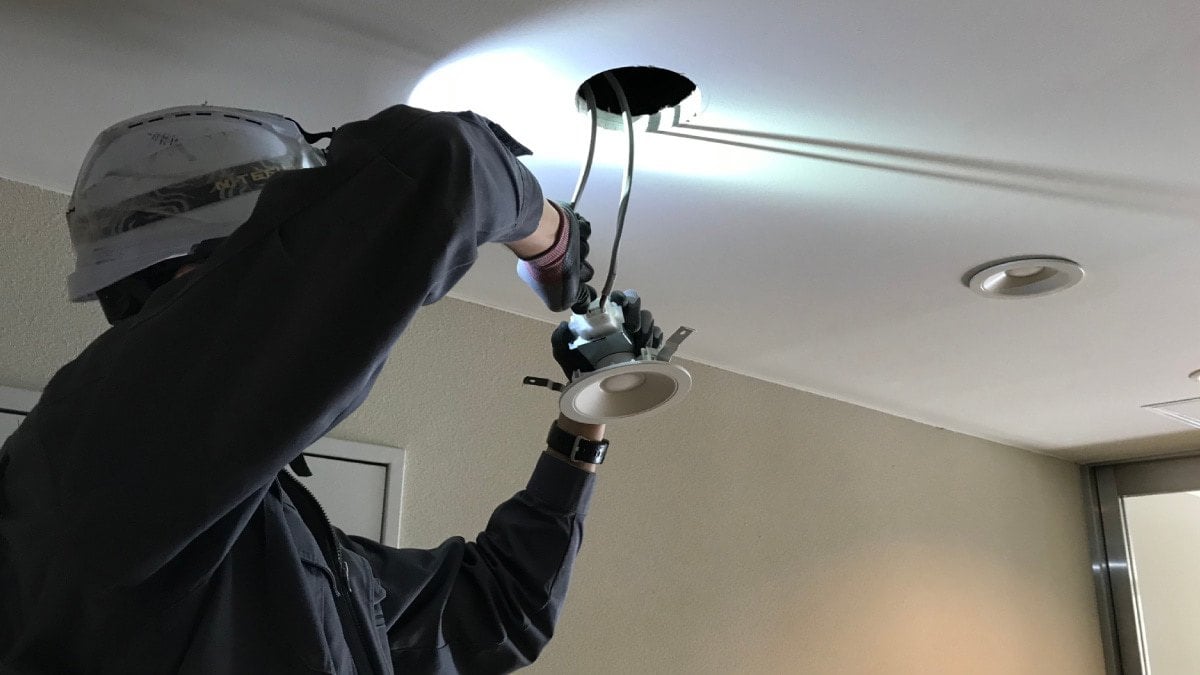
Many homeowners do not realize that most electrical work, from adding a new outlet to replacing a light fixture, legally requires a permit from the local building department. This process ensures that the work is inspected and meets all safety codes.
Attempting to do your own electrical work without a permit is not only illegal, but it can also void your homeowner’s insurance policy if a fire or other accident occurs as a result of the unpermitted work.
Ignoring Warning Signs
Your electrical system will often give you warning signs when there is a problem. These can include flickering lights, a buzzing sound from an outlet, or a breaker that trips frequently. Ignoring these signs is a serious mistake. They are indicators of an underlying issue that could be a fire hazard. If you notice any of these warning signs, you should have your electrical system inspected by a professional as soon as possible.
Improper Grounding Practices
The grounding system is a critical safety feature of your home’s electrical system. It provides a safe path for electricity to flow in the event of a fault, protecting you from electrical shock. A common mistake is to use a three-prong to two-prong adapter to plug a modern appliance into an old, ungrounded outlet. This defeats the purpose of the ground pin and leaves you unprotected. The proper solution is to have the outlet replaced with a modern, grounded outlet by a licensed electrician.
Frequently Asked Questions
1. Is it safe to replace a light switch myself?
While replacing a light switch may seem like a simple task, it can be dangerous if you are not familiar with electrical wiring. It is always safest to have a licensed electrician handle any electrical work.
2. What is the “12-foot rule” for extension cords?
This is a general safety guideline that suggests you should not use an extension cord that is longer than 12 feet. A longer cord can have a greater voltage drop, which can damage some electronics.
3. Can I use an indoor power strip outdoors?
No. You should never use an indoor power strip or extension cord outdoors. They are not designed to withstand moisture and can create a serious shock hazard.
4. Why do I need a dedicated circuit for my microwave?
A microwave is a high-power appliance that can draw a lot of electricity. A dedicated circuit ensures that it has the power it needs without overloading a circuit that is also powering other devices.
5. How can I find a qualified electrician?
Look for an electrician who is licensed, insured, and has a good reputation in your community. Holt Plumbing is a trusted provider of professional electrician in the Des Moines area.