If you live in an older home or are noticing signs of wear in your pipes, you might be wondering: How long should plumbing last? It’s a great question, and the answer depends on a variety of factors including pipe material, installation quality, water conditions, and Iowa’s unique climate.
At Holt Plumbing, Heating, Cooling, & Electrical, we’ve been helping Central Iowa homeowners protect and upgrade their plumbing systems for over 75 years. In that time, we’ve seen just about every kind of pipe, every type of home, and every reason pipes fail. So let’s walk through how long your plumbing should last, and how to know when it’s time for an update.
1. Average Lifespan of Common Pipe Materials
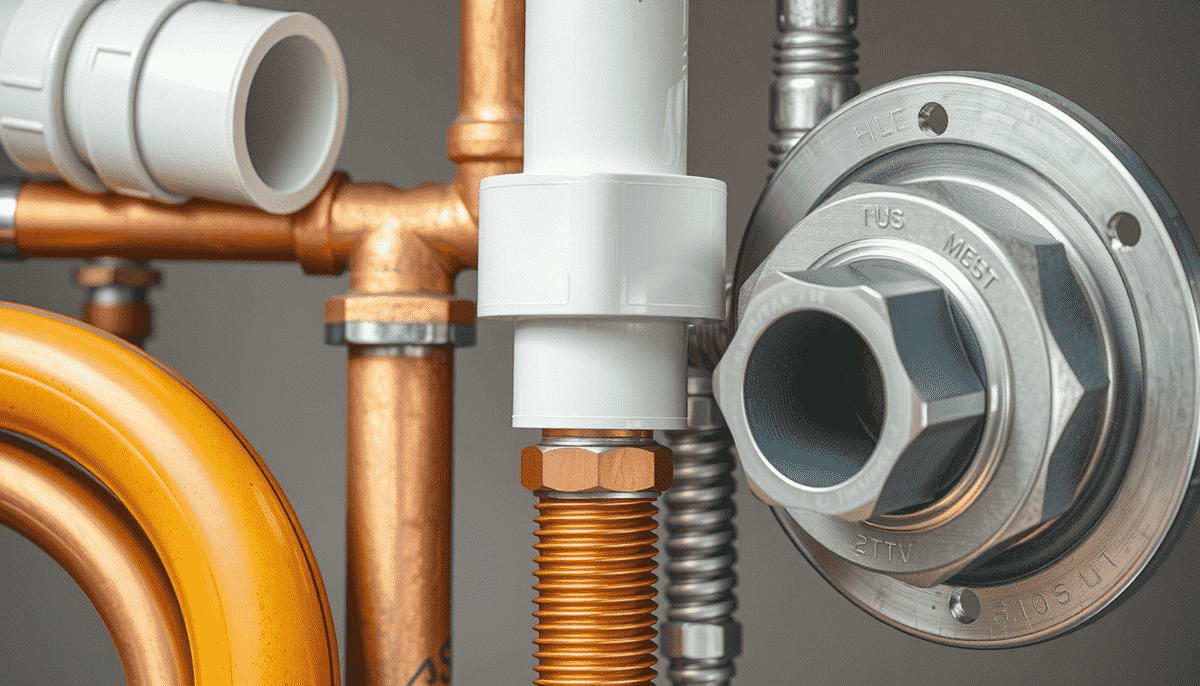
Not all plumbing is created equal. The type of material used in your home’s plumbing system plays a major role in how long it will last. Here’s a general guide:
| Pipe Material | Average Lifespan |
| Galvanized Steel | 40–60 years |
| Copper | 50–70 years |
| Brass | 40–70 years |
| PVC | 25–40 years |
| PEX | 40–50 years |
| Cast Iron (drains) | 75–100 years |
These numbers are just averages. Water quality, soil conditions, and installation practices can make a huge difference. For example, hard water with high mineral content (which is common in Iowa) can accelerate corrosion in older galvanized pipes.
2. How Iowa’s Climate Affects Plumbing
Iowa homes face unique environmental challenges that can affect plumbing systems:
Freezing Temperatures
Long, cold winters put pipes at risk of freezing and potentially bursting. Older or poorly insulated pipes, especially those in basements, crawl spaces, or exterior walls, are especially vulnerable.
Soil Movement
Central Iowa’s freeze-thaw cycles and expansive clay soils can shift over time, putting stress on underground water lines or drain pipes. This can lead to cracks, misalignments, or leaks.
Hard Water
Much of Iowa has hard water, which means it contains higher levels of calcium and magnesium. Over time, these minerals build up inside pipes and fixtures, restricting water flow and wearing out plumbing components faster.
3. How to Tell If Your Plumbing Is Nearing the End
If your home is more than 30 years old, and you’re not sure when the plumbing was last replaced, you might already be overdue for an inspection. Look for these red flags:
- Discolored water (especially brown or rusty)
- Low water pressure in multiple fixtures
- Frequent leaks or pipe repairs
- Corrosion on visible pipes (green, white, or rust-colored buildup)
- Slow drainage or sewer backups
- Unusual sounds like banging or gurgling from pipes
One or two of these symptoms doesn’t mean you need to re-pipe your entire house, but they’re strong signs that it’s time for a professional assessment.
4. Partial vs. Whole-House Replacements
Many Iowa homeowners wonder if they need to replace all the plumbing in their house at once. Not necessarily.
Partial Replacements
If only one area is affected (like a basement bathroom with older galvanized pipes), you might just need a localized upgrade.
Whole-Home Repiping
If your pipes are original to the home and well past their expected lifespan, or if multiple leaks are occurring throughout the system, a full replacement is often more cost-effective and reliable in the long run.
At Holt Plumbing, Heating, Cooling, & Electrical, we walk you through your options and provide honest, transparent recommendations. Our goal isn’t to sell you a service you don’t need, it’s to help you make the right long-term decision for your home and budget.
5. When to Consider Upgrading Plumbing
Even if your pipes aren’t leaking or showing signs of failure, there are good reasons to consider a plumbing upgrade:
- Planning a remodel – Replacing pipes behind walls while they’re open can save you money.
- Lead pipe concerns – If your home has lead service lines (rare but possible in pre-1950 homes), they should be replaced immediately.
- Outdated materials – Galvanized or polybutylene pipes can fail suddenly and should be proactively replaced.
- Water quality issues – If you’re installing water filtration, upgrading old pipes can improve results.
6. How to Extend the Life of Your Plumbing
You can get the most out of your plumbing system by taking a few proactive steps:
- Schedule regular inspections – Catch small issues before they become big ones.
- Install water softeners – Protect against mineral buildup in areas with hard water.
- Insulate pipes – Especially in basements, crawlspaces, and garages.
- Fix leaks quickly – Even small drips can signal larger problems.
As a Holt Plumbing, Heating, Cooling, & Electrical Membership customer, you’ll get routine maintenance and discounts on repairs—so you’re never caught off guard.
7. The Holt Difference: Why Homeowners Trust Us
Choosing a plumbing company is about more than just tools and parts, it’s also about trust. Holt Plumbing, Heating, Cooling, & Electrical has been a family-owned business serving Iowa homes since 1947. Here’s what sets us apart:
- Licensed, background-checked plumbers
- Flat-rate pricing (no surprise fees)
- Emergency service
- Satisfaction guaranteed
- Membership benefits for long-term care
We’re not here to pressure you. We’re here to partner with you in taking care of your home.
If you’re unsure about the condition of your plumbing system or just want peace of mind, let Holt handle that. Our team will give you honest answers, clear options, and quality work every time.