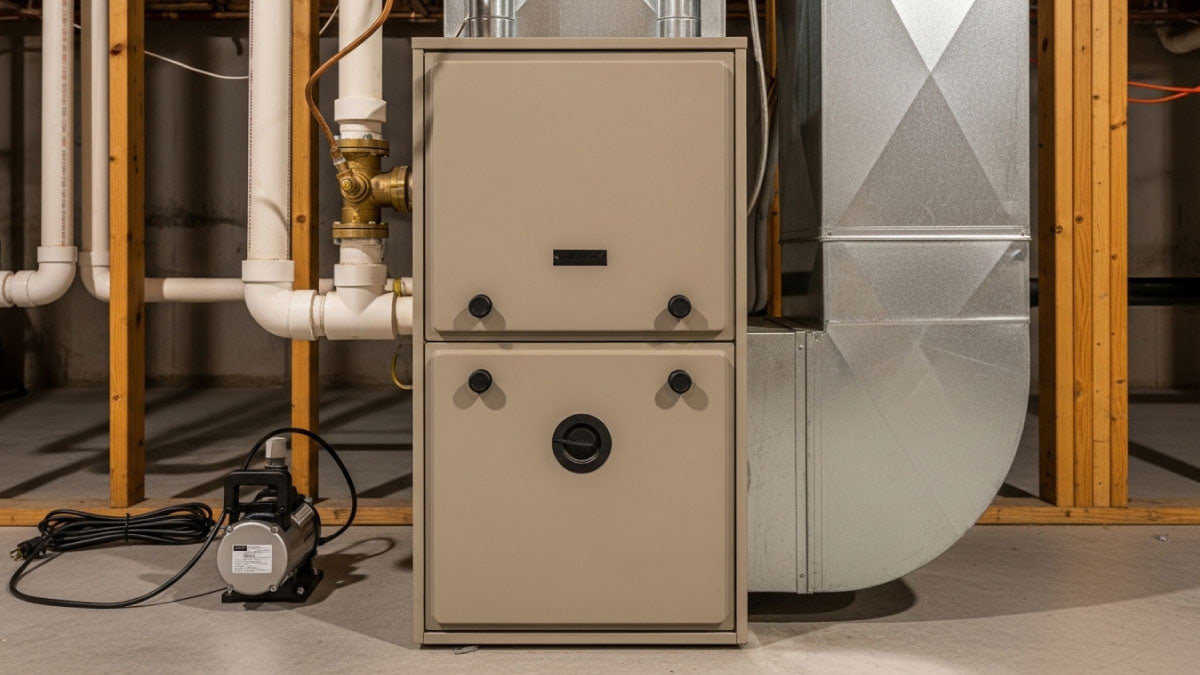
Furnace Problems Can’t Wait During an Iowa Winter
Holt Plumbing & Heating, Inc. is proud to serve Des Moines and surrounding Iowa communities with trusted plumbing, heating, and cooling solutions that keep your home safe and comfortable year-round. When freezing temperatures settle across Iowa, homeowners depend on their furnaces to keep their families warm and safe. So when your furnace suddenly stops working, it can quickly become stressful — especially during the middle of winter.
A furnace failure can happen for several reasons, from thermostat issues and airflow restrictions to worn components or electrical problems. While some situations have simple fixes, others require professional repairs to safely restore heat to your home.
Knowing what steps to take first can help protect your comfort, reduce potential damage, and determine when it’s time to call an HVAC professional.
Start with the Thermostat
Before assuming your furnace has completely failed, check your thermostat settings. Many heating service calls begin with a simple thermostat issue.
Make Sure:
- The thermostat is set to “Heat”
- The temperature setting is higher than the current room temperature
- The batteries are not dead
- The display is functioning properly
- The programmable schedule hasn’t changed unexpectedly
Sometimes homeowners accidentally switch settings while adjusting temperatures or changing schedules. Dead thermostat batteries can also prevent the furnace from receiving signals to turn on.
If everything appears correct but the furnace still won’t start, the issue may involve the heating system itself.
Check Your Furnace Filter
A dirty air filter is one of the most common causes of furnace problems. When airflow becomes restricted, the system can overheat or shut down as a safety precaution.
Signs Your Filter May Be Clogged:
- Weak airflow from vents
- Excess dust around the home
- Unusual furnace cycling
- Increased heating bills
- Furnace shutting off unexpectedly
During Iowa winters, furnaces often run constantly for long periods of time. That heavy use can cause filters to become dirty faster than homeowners expect.
Replacing a clogged filter may restore proper airflow and help the system restart normally.
Inspect Your Circuit Breaker
If your furnace won’t turn on at all, the issue could involve the electrical system.
Check:
- The furnace power switch
- Your home’s electrical panel
- Tripped circuit breakers
- Loose power connections
Sometimes a power surge or overloaded circuit can interrupt power to the furnace. Resetting the breaker may restore operation temporarily, but if the breaker continues tripping, professional service is recommended to identify the underlying issue safely.
Make Sure Vents and Registers Are Open
Blocked vents can reduce airflow and place additional strain on your heating system.
Walk through your home and check that:
- Supply vents are fully open
- Furniture is not blocking airflow
- Return vents are unobstructed
- Registers are clean and free of debris
Restricted airflow can affect furnace performance and create uneven heating throughout the home.
Listen for Unusual Furnace Noises
Strange sounds often provide important clues about what may be wrong with your heating system.
Common Furnace Sounds and What They May Mean
Banging or Booming
This can indicate delayed ignition or burner problems.
Squealing
High-pitched noises may point to worn belts or blower motor issues.
Rattling
Loose components or panels can create rattling sounds during operation.
Grinding
Grinding noises often signal motor or mechanical problems that require immediate attention.
If your furnace makes loud or unusual sounds, it’s best to stop running the system and schedule professional repairs before further damage occurs.
Check for Pilot Light or Ignition Problems
Older gas furnaces may use a standing pilot light, while newer systems rely on electronic ignition systems.
Possible Signs of Ignition Issues:
- Furnace clicks but doesn’t start
- No heat despite the blower running
- Repeated startup attempts
- Flickering or missing pilot flame
Gas furnace ignition problems should always be handled carefully. If you smell gas or suspect a gas leak, leave the home immediately and contact your utility company and HVAC professional.
Never attempt complex gas furnace repairs on your own.
What Homeowners Need to Know About Iowa Winter Heating Demands
Iowa winters place significant stress on heating systems. Extended cold snaps and below-freezing temperatures can force furnaces to run almost nonstop for days or weeks at a time.
Harsh Winter Conditions Can Increase the Risk of:
- Blower motor wear
- Dirty filter buildup
- Frozen intake or exhaust vents
- Ignition system failures
- Heat exchanger strain
That’s why annual furnace maintenance is especially important for Iowa homeowners. Preventive service helps identify worn components before winter weather arrives.
If your furnace is older or hasn’t been serviced recently, unexpected breakdowns become more likely during periods of extreme cold.
When Should You Call for Professional Furnace Repair?
Some furnace issues have simple solutions, but others require professional diagnosis and repair.
Call an HVAC Professional If:
- The furnace won’t turn on
- The system blows cold air
- Strange noises continue
- Your home isn’t heating evenly
- The furnace repeatedly shuts off
- You smell gas or burning odors
- The breaker keeps tripping
- Heating bills suddenly increase
Attempting major furnace repairs without proper training can create safety risks and potentially damage the system further.
Professional technicians have the tools and experience needed to safely identify the root cause and restore reliable heating.
How Preventive Furnace Maintenance Helps Avoid Winter Breakdowns
Many heating emergencies can be prevented with regular maintenance. Annual tune-ups help keep your furnace running safely and efficiently during Iowa’s coldest months.
Professional Furnace Maintenance May Include:
- Cleaning burners and components
- Inspecting heat exchangers
- Testing safety controls
- Checking airflow
- Inspecting electrical connections
- Replacing or inspecting filters
- Testing thermostat calibration
- Measuring system performance
Routine maintenance can improve efficiency, reduce wear on components, and help homeowners avoid emergency breakdowns when temperatures drop.
Repair vs. Replacement: What Homeowners Should Consider
Sometimes a furnace breakdown raises a bigger question: should the system be repaired or replaced?
Furnace Replacement May Be Worth Considering If:
- The system is 15–20 years old
- Repairs are becoming frequent
- Heating costs continue rising
- The furnace struggles to heat the home evenly
- Major components have failed
Newer heating systems are typically more energy efficient and reliable than older units. However, many furnace problems can still be repaired cost-effectively depending on the age and condition of the system.
A professional inspection can help homeowners understand the most practical long-term solution.
Why Iowa Homeowners Trust Holt Plumbing & Heating
For decades, Holt Plumbing & Heating has helped homeowners throughout Des Moines and nearby communities stay warm during Iowa winters. As a family-owned and operated Iowa business, Holt understands how important reliable heat is during freezing temperatures.
Homeowners Choose Holt Because We Offer:
- Licensed and insured HVAC technicians
- Decades of heating experience
- Honest recommendations
- Reliable furnace diagnostics and repairs
- Friendly, knowledgeable customer service
- Comprehensive heating and cooling solutions
Whether your furnace needs a quick repair, seasonal maintenance, or a complete replacement, Holt Plumbing & Heating is committed to delivering dependable service homeowners can trust.
Frequently Asked Questions About Furnace Problems
Why did my furnace suddenly stop working?
Common causes include thermostat issues, dirty filters, ignition failures, electrical problems, or worn components.
Is it safe to restart my furnace myself?
Basic troubleshooting like changing filters or checking thermostat settings is generally safe, but complex repairs should always be handled by professionals.
What should I do if my furnace blows cold air?
Check the thermostat and filter first. If the issue continues, professional service may be needed to inspect the ignition system, airflow, or internal components.
How often should furnace maintenance be scheduled?
Most homeowners should schedule furnace maintenance once per year before winter begins.
How long does a furnace typically last?
Most furnaces last between 15 and 20 years with proper maintenance.
Schedule Furnace Repair in Des Moines and Nearby Iowa Communities
When your furnace stops working during an Iowa winter, fast and reliable service matters. Holt Plumbing & Heating provides trusted furnace repair, maintenance, and heating solutions throughout Des Moines, Ankeny, Waukee, Clive, Urbandale, and surrounding communities.
Schedule your heating service with Holt Plumbing & Heating today and keep your home warm, safe, and comfortable all winter long.