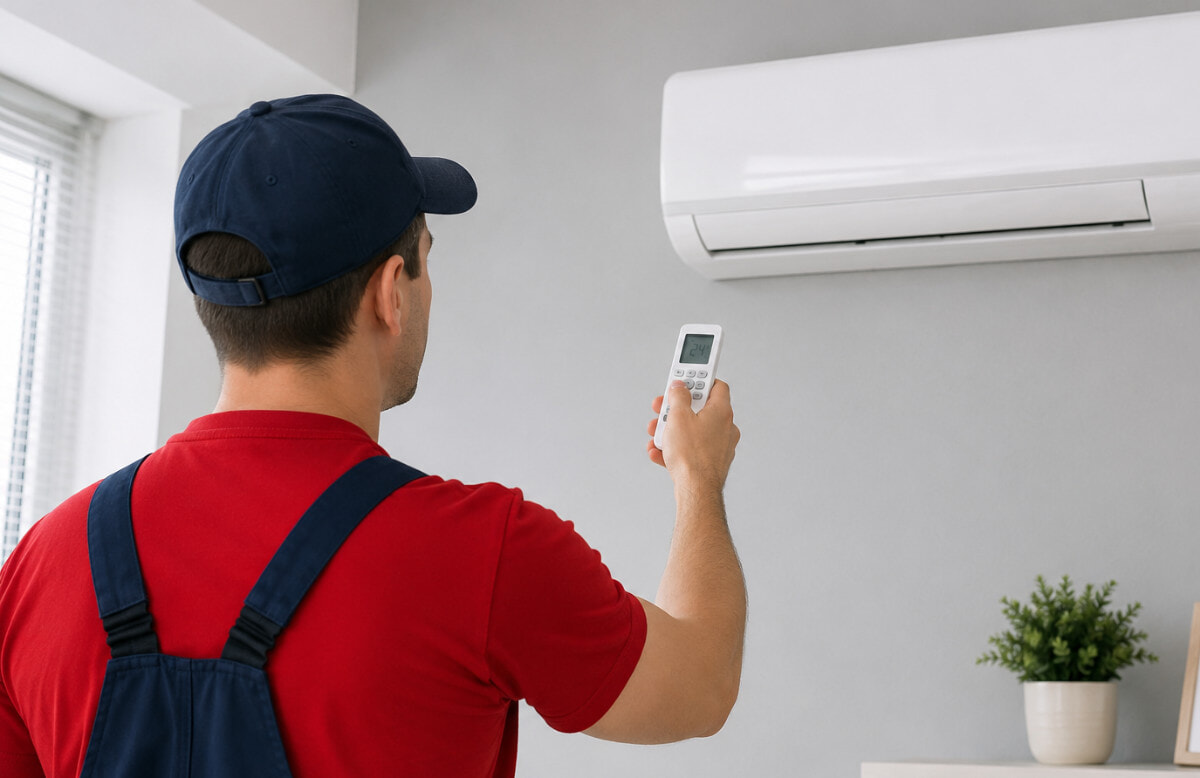
As more homeowners look for energy-efficient ways to cool and heat their homes, ductless mini-split systems continue to gain popularity throughout Des Moines and surrounding Iowa communities. Whether you’re finishing a basement, converting a garage, adding a sunroom, or simply looking for a more flexible comfort solution, a ductless mini-split can provide targeted heating and cooling without the need for traditional ductwork.
Holt Plumbing & Heating, Inc. has proudly served Des Moines homeowners for decades with trusted heating, cooling, plumbing, and electrical services, including everything related to ductless HVAC. If you’re considering a ductless mini-split installation in 2026, understanding the costs, benefits, and installation process can help you determine whether this technology is the right fit for your home.
What Is a Ductless Mini-Split System?
A ductless mini-split is a heating and cooling system that consists of two primary components:
- An outdoor condenser unit
- One or more indoor air-handling units
Instead of using a network of ducts to distribute conditioned air throughout the home, mini-splits deliver heating and cooling directly to individual rooms or zones.
Each indoor unit operates independently, allowing homeowners to customize temperatures in different areas of the house.
This zoned approach is one of the biggest reasons mini-splits have become increasingly popular in Des Moines homes.
Why More Des Moines Homeowners Are Choosing Mini-Splits
Iowa weather presents unique comfort challenges. Summers can be hot and humid, while winters often bring freezing temperatures and strong winds.
Mini-splits offer several advantages that appeal to homeowners looking for efficient year-round comfort.
Common reasons homeowners choose mini-splits include:
- Improved energy efficiency
- Individual room temperature control
- Heating and cooling from one system
- No ductwork requirements
- Quiet operation
- Improved comfort in hard-to-condition spaces
- Reduced energy waste
- Flexible installation options
For many homeowners, the ability to control temperatures room by room can significantly improve comfort while reducing utility costs.
How Much Does Ductless Mini-Split Installation Cost in Des Moines in 2026?
The cost of a ductless mini-split installation depends on several factors, including the number of indoor units, system capacity, installation complexity, and the specific needs of the home.
In 2026, many Des Moines homeowners can expect general installation ranges such as:
Single-Zone Mini-Split Systems
A single-zone system includes one outdoor unit and one indoor air handler.
Typical installation range:
- Approximately $3,500 to $7,500+
These systems are commonly installed in:
- Home additions
- Finished basements
- Garages
- Sunrooms
- Individual bedrooms
- Home offices
Multi-Zone Mini-Split Systems
Multi-zone systems connect multiple indoor units to one outdoor condenser.
Typical installation range:
- Approximately $8,000 to $18,000+
These systems can provide comfort throughout larger portions of the home and may serve multiple rooms independently.
Whole-Home Ductless Systems
Some homes use mini-splits as their primary heating and cooling solution.
Installation costs vary significantly based on:
- Home size
- Number of zones
- Electrical upgrades
- Equipment selection
- Installation complexity
A professional consultation is the best way to determine accurate pricing for your specific property.
What Factors Affect Mini-Split Installation Costs?
Not every home requires the same equipment or installation process.
Several factors influence overall project costs.
Number of Indoor Units
Each indoor air handler adds equipment and installation labor.
A single-room installation will naturally cost less than a whole-home zoning system.
System Capacity
Larger homes and larger rooms require more cooling and heating capacity.
Proper sizing helps ensure efficient operation and long-term performance.
Installation Location
Some installations are more complex than others.
Factors that can affect labor requirements include:
- Wall construction
- Electrical access
- Distance between indoor and outdoor units
- Routing of refrigerant lines
- Accessibility of installation areas
Electrical Upgrades
Older homes may require electrical modifications to support new equipment safely.
Any necessary electrical work can affect project costs.
Equipment Features
Premium systems may include:
- Variable-speed technology
- Advanced filtration
- Smart thermostat integration
- Enhanced humidity control
- Cold-weather heating capabilities
While these features may increase upfront costs, they often improve comfort and efficiency.
Where Are Ductless Mini-Splits Most Commonly Installed?
Mini-splits are extremely versatile and can solve comfort challenges that traditional HVAC systems sometimes struggle to address.
Common installation locations include:
Finished Basements
Basements often remain cooler than the rest of the home and can be difficult to regulate using central HVAC systems.
A mini-split provides dedicated temperature control for the space.
Home Additions
Many additions are built without extending existing ductwork.
Mini-splits offer an efficient way to provide year-round comfort without major remodeling.
Garages and Workshops
Whether used for hobbies, storage, or vehicle protection, garages often benefit from dedicated climate control.
Sunrooms
Large windows and direct sunlight can make sunrooms difficult to cool.
Mini-splits help maintain comfortable temperatures throughout the day.
Older Homes
Historic and older homes in Des Moines may not have ductwork or may have duct systems that are difficult to modify.
Ductless systems offer an effective alternative.
Individual Rooms
If one room consistently feels hotter or colder than the rest of the home, a mini-split can provide targeted comfort without affecting the entire house.
How Energy Efficient Are Ductless Mini-Splits?
One of the biggest advantages of mini-split systems is energy efficiency.
Traditional duct systems can lose energy through:
- Air leaks
- Poor insulation
- Damaged ductwork
- Improper airflow
Because mini-splits eliminate duct-related losses, they often operate more efficiently.
Additional efficiency benefits include:
- Zoned temperature control
- Variable-speed operation
- Reduced runtime
- Improved comfort management
- Lower utility consumption
For homeowners seeking to reduce energy costs, a mini-split system can be an attractive investment.
Can Mini-Splits Handle Iowa Winters?
Many homeowners are surprised to learn that modern mini-splits provide both cooling and heating.
Today’s cold-climate heat pump technology allows many systems to operate effectively even during freezing temperatures.
Benefits include:
- Efficient heating during mild and moderate winter weather
- Year-round comfort from one system
- Reduced reliance on supplemental heating
- Lower operating costs during certain conditions
In some situations, mini-splits may be paired with other heating systems for additional support during extreme Iowa cold snaps.
A professional evaluation can help determine the best setup for your home.
What Are the Benefits of Zoned Comfort?
Traditional HVAC systems generally maintain a single temperature throughout the house.
Mini-splits allow homeowners to create separate comfort zones.
For example:
- Bedrooms can be cooler at night
- Home offices can stay comfortable during the day
- Guest rooms can be adjusted only when occupied
- Basements can be conditioned independently
This flexibility often improves comfort while reducing unnecessary energy use.
What Happens During a Mini-Split Installation?
Most homeowners are surprised by how minimally invasive mini-split installations can be.
Initial Home Evaluation
The process begins with a comfort assessment.
A technician evaluates:
- Home size
- Room usage
- Existing HVAC equipment
- Insulation levels
- Heating and cooling needs
Equipment Selection
The system is selected based on:
- Required capacity
- Number of zones
- Home layout
- Efficiency goals
- Budget considerations
Installation Process
The installation typically involves:
- Mounting indoor units
- Installing the outdoor condenser
- Connecting refrigerant lines
- Making electrical connections
- Testing system performance
- Programming controls
Compared to installing new ductwork, mini-split projects are often completed more quickly and with less disruption.
How Long Do Ductless Mini-Splits Last?
When professionally installed and properly maintained, many mini-split systems can last:
- 15 to 20 years
- Sometimes longer with routine service
Factors that affect lifespan include:
- Equipment quality
- Installation quality
- Maintenance habits
- Usage patterns
- Local climate conditions
Regular maintenance helps maximize efficiency and protect your investment.
How Does Maintenance Compare to Traditional AC Systems?
Like any HVAC equipment, mini-splits benefit from routine maintenance.
Typical maintenance includes:
- Cleaning filters
- Inspecting refrigerant levels
- Cleaning coils
- Testing electrical components
- Verifying system performance
- Checking condensate drainage
Annual professional service helps keep the system operating efficiently throughout Iowa’s changing seasons.
Is a Mini-Split Better Than Central Air?
The answer depends on your home’s specific needs.
A ductless mini-split may be the better choice if:
- You do not have existing ductwork
- You want room-by-room control
- You are conditioning an addition or basement
- Energy efficiency is a priority
- You want heating and cooling from one system
Traditional central air may still be ideal for homes with well-designed ductwork and whole-home cooling needs.
The best solution depends on your home layout, comfort goals, and budget.
Why Professional Installation Matters
Proper sizing and installation are critical to mini-split performance.
An improperly installed system can experience:
- Reduced efficiency
- Comfort problems
- Shortened equipment life
- Increased operating costs
- Frequent repairs
Professional installation helps ensure the system delivers the performance homeowners expect for years to come.
Why Des Moines Homeowners Trust Holt Plumbing & Heating
For generations, homeowners throughout Des Moines, West Des Moines, Waukee, Urbandale, Clive, and Johnston have trusted Holt Plumbing & Heating for reliable home comfort solutions.
Homeowners choose Holt because of the company’s:
- Decades of experience
- Licensed and insured HVAC technicians
- Honest recommendations
- Professional installation practices
- Expertise in heat pumps and ductless systems
- Reliable maintenance and repair services
- Commitment to customer satisfaction
Whether you’re cooling a single room or exploring a whole-home ductless solution, Holt can help you find the right system for your needs.
Schedule Your Mini-Split Consultation Today
A ductless mini-split can provide efficient, flexible comfort for many Iowa homes. By understanding installation costs, system options, and long-term benefits, you can make a confident decision about your home’s future comfort.
For generations, Des Moines homeowners have trusted Holt Plumbing & Heating for dependable heating and cooling services. If you’re considering a ductless mini-split installation in 2026, contact our team today to learn more about your options.
Call Holt Plumbing & Heating today to schedule a consultation and discover whether a ductless mini-split is the right solution for your Des Moines home.