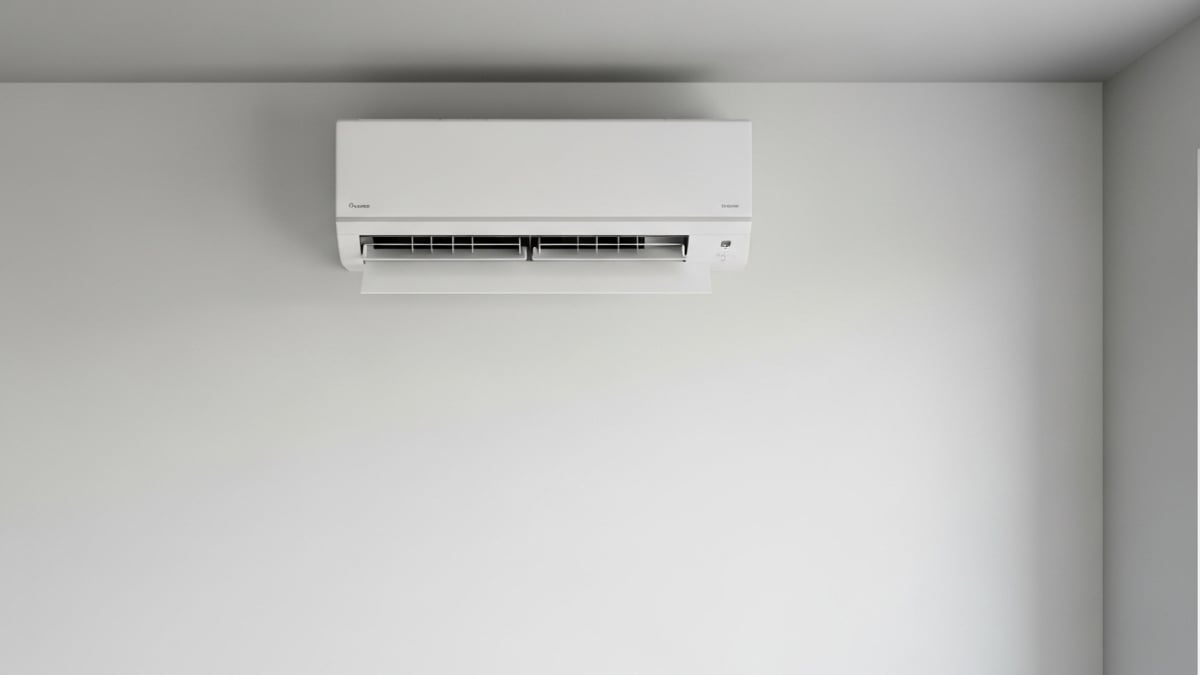
Ductless mini-split systems have become increasingly popular across the country, but many Iowa homeowners still have questions. Are they efficient enough for our winters? Do they really cool effectively during humid summers? Are they only for additions and garages?
With so much information — and misinformation — circulating online, it’s important to separate fact from myth.
Holt Plumbing & Heating, Inc. has proudly served the greater Des Moines area for decades, providing reliable plumbing, heating, and cooling solutions backed by exceptional customer care and craftsmanship. For homeowners in Des Moines, West Des Moines, Urbandale, Waukee, Ankeny, and Clive, understanding the truth about ductless mini-split systems can help you decide whether they’re the right solution for your home.
Let’s take a closer look at how they work, where they shine, and when they may or may not be the best fit.
What Is a Ductless Mini-Split System?
A ductless mini-split is a heating and cooling system that does not rely on traditional ductwork. Instead, it consists of:
- An outdoor compressor unit
- One or more indoor air-handling units
- A small conduit connecting the two
Each indoor unit operates independently, allowing for zoned temperature control.
Mini-splits use heat pump technology, meaning they transfer heat rather than generate it. In winter, they pull heat from the outdoor air and move it indoors. In summer, they reverse the process to remove heat from your home.
Myth: Mini-Splits Don’t Work in Iowa Winters
One of the most common concerns is whether ductless systems can handle freezing temperatures.
Modern cold-climate mini-splits are designed to operate efficiently in much lower temperatures than older models. While extreme subzero conditions can reduce efficiency, many systems are engineered to perform well in climates like Central Iowa.
That said, in some homes, mini-splits work best as:
- Supplemental heating
- Zoned comfort control
- Solutions for specific rooms
- Paired systems alongside a furnace
A professional evaluation helps determine the right configuration for Iowa weather.
Fact: Mini-Splits Offer Excellent Zoned Comfort
One of the biggest advantages of ductless systems is zoning.
With traditional HVAC systems, the entire home is heated or cooled based on a single thermostat. Mini-splits allow:
- Individual room temperature control
- Reduced energy waste in unused rooms
- Customized comfort for family members
For example, finished basements in Des Moines homes often run cooler in winter and more humid in summer. A mini-split can address those areas independently without overworking your central system.
Fact: Mini-Splits Are Energy Efficient
Because mini-splits don’t rely on ductwork, they avoid energy losses commonly associated with duct leaks.
In many homes, duct leakage accounts for significant heating and cooling inefficiency. By delivering conditioned air directly into a room, mini-splits reduce wasted energy.
They also use inverter-driven compressors that adjust output gradually rather than cycling on and off frequently. That steady operation improves efficiency and comfort.
Myth: Mini-Splits Are Only for Additions
While mini-splits are excellent for:
- Room additions
- Sunrooms
- Garages
- Finished basements
They are also used in full-home applications.
In some cases, multiple indoor units can be installed throughout a home, creating a complete ductless comfort system.
The right approach depends on home layout, insulation quality, and heating needs.
How Mini-Splits Handle Iowa Summers
Humidity is often the bigger challenge in Iowa summers — not just heat.
Mini-splits run longer, steadier cooling cycles, which improves moisture removal. This can result in:
- More consistent indoor temperatures
- Reduced humidity
- Improved comfort
When paired with proper insulation and air sealing, mini-splits can perform exceptionally well during hot, humid months in Des Moines.
What Homeowners Need to Know About Installation
Mini-split installation is less invasive than installing new ductwork.
The system requires:
- Mounting the indoor unit on a wall or ceiling
- Installing an outdoor compressor
- Running a small refrigerant line
Because only a small opening is required for the conduit, installation is often quicker than traditional system replacements.
Proper sizing is critical. Oversized or undersized systems can reduce efficiency and comfort.
Maintenance Requirements
Ductless mini-splits still require regular maintenance.
Recommended service includes:
- Cleaning indoor air filters
- Inspecting coils
- Checking refrigerant levels
- Testing electrical connections
- Clearing outdoor debris
Regular maintenance ensures long-term performance and protects your investment.
Need expert help now? Contact Holt for same-day plumbing or HVAC solutions.
Situations Where Mini-Splits Make Sense in Iowa
Mini-splits are particularly beneficial for:
- Homes without existing ductwork
- Older Des Moines homes with radiator systems
- Converted attics
- Finished basements
- Home offices
- Guest suites
- Detached garages
They offer flexibility without the need for extensive remodeling.
Situations Where a Traditional System May Be Better
Mini-splits are not always the ideal standalone solution.
Homes with:
- Large square footage
- Poor insulation
- Extreme heating demands
may still benefit from a high-efficiency furnace paired with central air.
In some cases, a hybrid approach — combining ducted and ductless systems — provides the best balance.
How Mini-Splits Support Indoor Air Quality
Because each unit contains its own filtration system, mini-splits help reduce dust and allergens in the rooms they serve.
When integrated into a whole-home comfort plan that includes:
- Proper insulation
- Sealed ducts (if present)
- Humidity control
- Air purification
they contribute to improved indoor air quality.
Cost Considerations
Mini-split costs vary depending on:
- Number of zones
- Home size
- Installation complexity
- Electrical upgrades required
While initial costs may be higher than window units, long-term efficiency and comfort typically justify the investment.
Energy savings over time can help offset installation expenses.
A Realistic Iowa Scenario
A homeowner in Waukee finished their basement but struggled to maintain consistent temperature year-round. The central HVAC system didn’t distribute air evenly to the lower level.
Installing a mini-split allowed independent control of the basement space without overworking the main system.
The result was improved comfort, reduced humidity, and better overall system balance.
Frequently Asked Questions About Ductless Mini-Splits
Are mini-splits noisy?
No. They operate quietly compared to traditional systems.
Can they provide both heating and cooling?
Yes. They function as heat pumps, offering both capabilities.
Do they require ductwork?
No. That’s one of their primary advantages.
Are they energy efficient?
Yes, especially when properly sized and installed.
Choosing the Right Comfort Solution for Your Home
Ductless mini-split systems aren’t a trend — they’re a versatile option that works well in many Iowa homes. They provide zoning flexibility, improved efficiency, and targeted comfort where traditional systems may struggle.
However, every home is different. Climate demands, insulation quality, and layout all influence the best solution.
As a family-owned Iowa business with decades of experience in Des Moines, Holt understands how heating and cooling systems perform in our local climate. Our licensed and insured team can evaluate your home and recommend the right approach for your comfort needs.
Call Holt Plumbing & Heating today to schedule fast, reliable service in Des Moines. Schedule your appointment with Holt Plumbing & Heating and experience the trusted expertise that keeps Iowa homes comfortable through every season.