Key Takeaways:
- Melting snow can overload drains, sump pumps, and sewer lines, leading to basement flooding and water damage.
- Regular plumbing maintenance before spring prevents costly issues caused by snowmelt runoff.
- Professional inspections help identify weaknesses in your plumbing before they become emergencies.
In Iowa, the transition from winter to spring can be a major test for your plumbing. As temperatures rise and snow begins to melt, large volumes of water make their way through your yard, gutters, and underground pipes. If your plumbing system isn’t prepared, that runoff can quickly find its way into basements, crawl spaces, or even your home’s foundation.
Snowmelt may seem harmless, but the rapid thaw typical of Iowa’s late-winter and early-spring weather can overwhelm drainage systems and expose existing plumbing weaknesses. From sump pump strain to cracked pipes and sewer backups, this period can create hidden threats that turn into costly repairs.
Now is the time to ensure your plumbing is ready to handle Iowa’s snowmelt season, and protect your home before it’s too late.
Understanding Iowa’s Snowmelt Season
Iowa typically experiences heavy snow accumulation through February, followed by a quick warming period in March and April. When temperatures suddenly rise above freezing, large amounts of snow and ice melt within days, sometimes even hours.
This rapid runoff often leads to:
- Saturated soil, which prevents proper drainage around your home.
- Overworked sump pumps struggling to keep up with groundwater.
- Frozen or cracked pipes that thaw and begin leaking.
- Blocked drains or gutters filled with debris from winter storms.
According to the Iowa Department of Natural Resources, spring flooding and water infiltration are common in regions where soil conditions and snowpack depth combine to create sudden runoff events.
If your plumbing system isn’t designed or maintained to handle this surge of water, even a mild thaw can lead to serious problems.
The Hidden Dangers of Snowmelt for Plumbing Systems
1. Basement Flooding
Snowmelt saturates the ground around your foundation, and without adequate drainage or a functioning sump pump, that water often seeps into basements. Once inside, it can damage flooring, drywall, and electrical systems.
Preventive Tip:
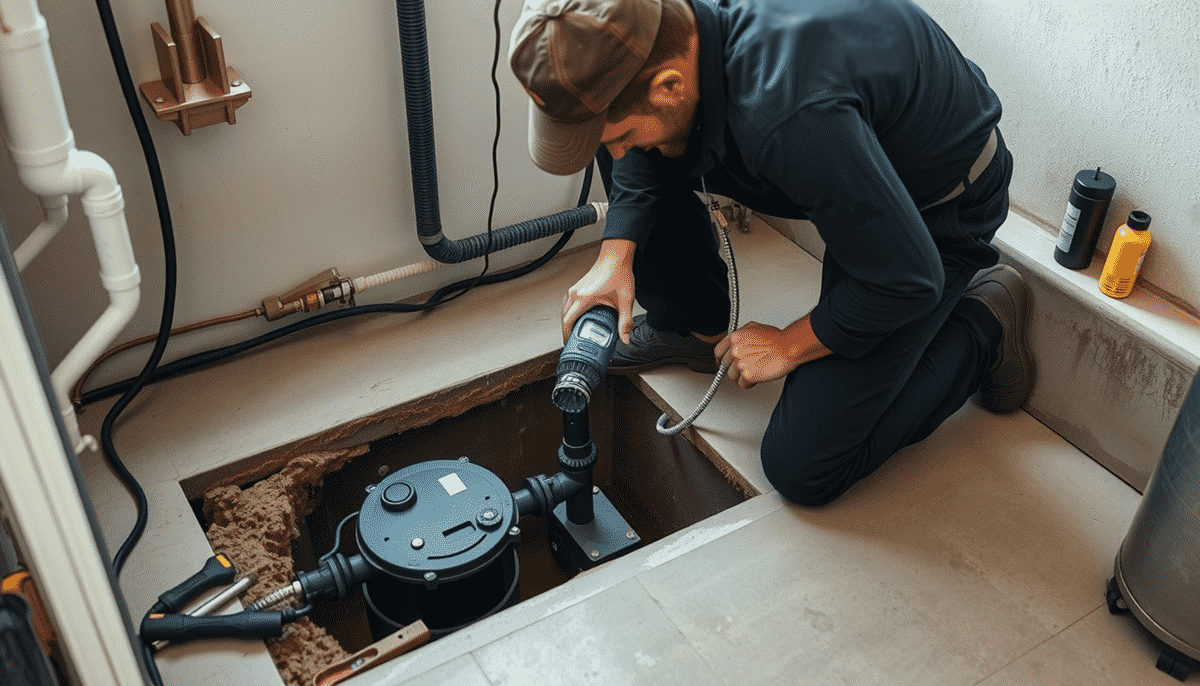
Make sure your sump pump is tested and clear of debris before snowmelt season begins. Consider installing a backup battery or secondary pump in case of power outages.
2. Cracked or Leaking Pipes
During freezing weather, water inside your pipes expands, creating small cracks that may go unnoticed until the thaw. When snowmelt increases pressure in the system, those cracks become leaks.
Preventive Tip:
Inspect visible plumbing for signs of corrosion, moisture, or mineral buildup. If you notice unexplained water spots, you may have a hidden leak behind walls or floors.
3. Clogged Gutters and Downspouts
Leaves, ice, and debris often block gutters through winter. When snow melts, the water has nowhere to go, overflowing near your foundation instead of draining safely away.
Preventive Tip:
Clean gutters and downspouts early in the season. Extend downspouts at least six feet from your foundation to direct water away from the home.
4. Overwhelmed Sewer Lines
Snowmelt affects surface drainage, and it also increases the burden on municipal sewer systems. When stormwater enters aging or cracked sewer pipes, it can back up into your home.
Preventive Tip:
Have your main sewer line inspected by a licensed plumber using camera technology to detect blockages or damage before heavy runoff begins.
5. Water Heater Stress
When groundwater temperatures drop in winter and then suddenly rise, your water heater has to work harder to adjust. Sediment buildup from fluctuating temperatures can reduce efficiency and shorten the lifespan of the system.
Preventive Tip:
Flush your water heater once a year to remove sediment and maintain consistent performance throughout the changing seasons.
Don’t wait for snowmelt to become a plumbing emergency. Contact Holt today for a full seasonal inspection and protect your home before the thaw hits.
Preparing Your Plumbing for Snowmelt Season
Proper preparation goes beyond one or two maintenance checks—it’s about building a complete plumbing defense for your home.
1. Inspect Your Sump Pump
Your sump pump is your first line of defense against flooding. Test it by pouring a bucket of water into the pit. If it doesn’t start automatically, contact us immediately.
2. Check for Foundation and Yard Drainage Issues
Ensure that your yard slopes away from the house and that drains and window wells are clear. Poor grading traps water near your foundation, increasing the risk of basement leaks.
3. Seal Cracks and Gaps
Use waterproof sealant to close gaps in basement walls, window frames, and pipe entries. Even small openings can let in large amounts of meltwater under pressure.
4. Insulate and Protect Vulnerable Pipes
Pipes in unheated areas (garages, basements, crawl spaces) should be wrapped in foam insulation. This reduces the risk of freezing and thaw-related ruptures.
5. Schedule a Professional Plumbing Inspection
Our licensed plumbers can identify risks you might overlook, including slow leaks, damaged sump pumps, or compromised sewer lines. Pre-season inspections help you avoid emergencies during peak melt periods.
The Benefits of Preventive Plumbing Maintenance
Investing in preventive maintenance before Iowa’s snowmelt season saves time, money, and stress.
Key benefits include:
- Avoiding emergency repairs: Early detection prevents burst pipes and flooded basements.
- Improved water efficiency: Catching leaks reduces waste and lowers bills.
- Increased home value: A well-maintained plumbing system is a key selling point.
- Peace of mind: You’ll rest easy knowing your home is protected from spring flooding.
When to Call a Professional
If you notice slow drains, gurgling sounds in pipes, damp spots on floors or walls, or a sump pump running constantly, it’s time to call for help. These are early warnings that your plumbing system is already under stress.
Our professional plumbers use advanced diagnostic tools, like video camera inspections, moisture sensors, and thermal imaging, to locate issues before they become disasters.
With Iowa’s unpredictable freeze-thaw cycles, proactive service is always cheaper than reactive repairs.
From sump pump tune-ups to leak detection, Holt is here to help. Call now to schedule reliable, no-pressure service from Iowa’s trusted plumbing team.
Frequently Asked Questions
1. When should I start preparing my plumbing for snowmelt season in Iowa?
Ideally, start in late February or early March, before the first major thaw. This allows time to inspect your system and address issues while temperatures are still stable.
2. How do I know if my sump pump is working correctly?
Pour water into the sump pit until the float rises. The pump should activate immediately and discharge water through the drain line. If it doesn’t, have it serviced right away.
3. Can snowmelt cause sewer backups?
Yes. Rapid snowmelt increases stormwater volume in city systems, which can lead to backups through floor drains or basement toilets if your main sewer line is damaged or clogged.
4. Should I insulate pipes even if they’re indoors?
Yes. Pipes near exterior walls, in garages, or in unheated basements can still freeze or crack during cold snaps. Foam insulation sleeves are inexpensive protection.
5. How often should my plumbing be inspected?
Schedule a professional plumbing inspection at least once per year (preferably before winter or spring) to detect early signs of leaks, corrosion, or drainage problems.