Key Takeaways:
- A circuit breaker that trips frequently is a clear sign of an underlying electrical issue, such as an overloaded circuit, a short circuit, or a ground fault.
- While an occasional trip due to a temporary overload may not be a cause for alarm, persistent tripping requires immediate attention to prevent potential fire hazards.
- Homeowners can perform some basic troubleshooting, but for safety and to ensure a correct diagnosis, a professional electrician should be consulted to address the root cause of the problem.
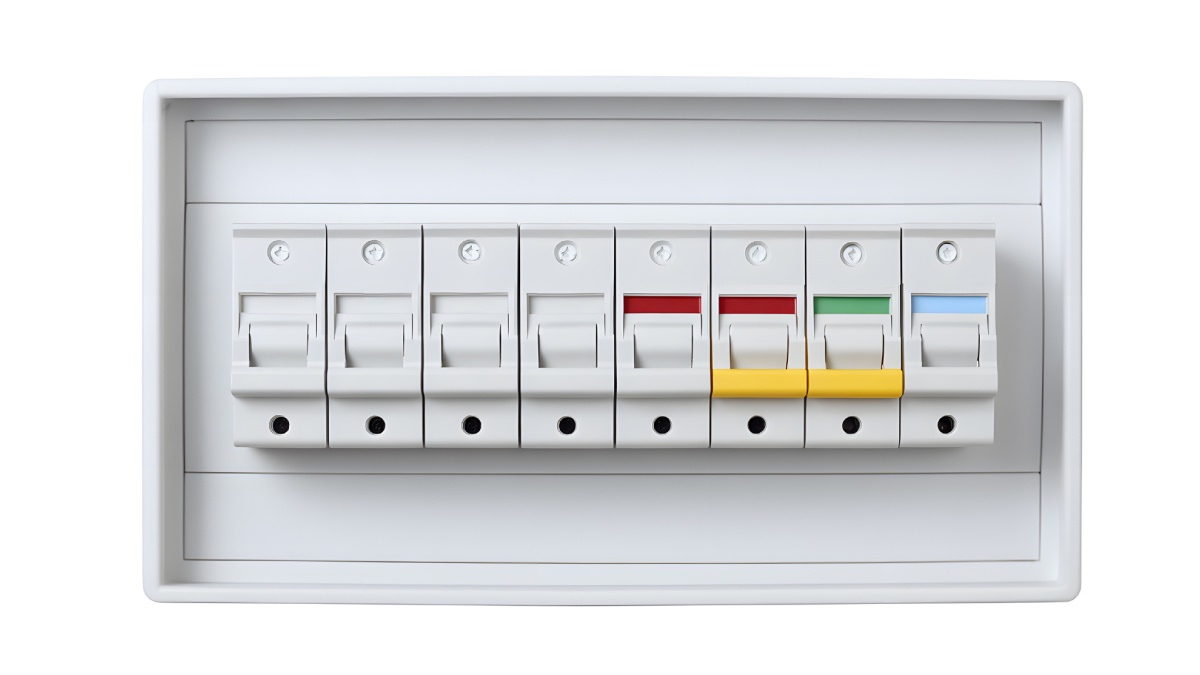
It is a common experience for homeowners: you are in the middle of using an appliance, and suddenly, the power goes out in one part of your house. A quick trip to the electrical panel reveals a tripped circuit breaker.
While resetting the breaker often restores power, it can be a frustrating and concerning event, especially if it happens regularly. A circuit breaker is a critical safety device designed to protect your home from electrical overloads and other faults. When it trips, it is doing its job.
However, if it trips frequently, it is not a problem to be ignored. It is a warning sign that there is a persistent issue with your electrical system that needs to be addressed.
Understanding the reasons why a circuit breaker trips is the first step toward resolving the problem. In some cases, the cause may be simple and easy to fix, such as a temporary overload from running too many high power devices on a single circuit.
In other instances, the cause may be more complex and dangerous, such as a short circuit or a ground fault, which can pose a significant fire risk.
This guide will help you understand the common causes of a tripping breaker, how to perform some basic troubleshooting, and when it is time to call in a professional electrician from Holt Plumbing to ensure the safety and reliability of your home’s electrical system.
What a Circuit Breaker Does
Think of a circuit breaker as a gatekeeper for the electrical current flowing into your home. Its primary function is to monitor the flow of electricity and, if it detects a current that is too high, to automatically shut off the power to that circuit. This prevents the wiring from overheating, which could otherwise lead to a fire.
Each circuit in your home is designed to handle a specific amount of electrical current, measured in amperes. When the current exceeds this limit, the breaker trips.
Inside the breaker, there is a switch that is held in place by either a bimetallic strip or an electromagnet.
In the event of an overload, the excess current causes the bimetallic strip to bend or the electromagnet to create a magnetic force, which releases the switch and interrupts the flow of electricity.
This is a purely mechanical process designed for safety. Once the issue causing the overload has been resolved, the breaker can be manually reset, allowing power to flow again. It is a simple yet ingenious device that is fundamental to modern electrical safety.
Reasons Circuit Breakers Trip
There are three primary reasons why a circuit breaker will trip: an overloaded circuit, a short circuit, or a ground fault. Each of these indicates a different type of problem, ranging from minor to severe.
- Overloaded Circuit: This is the most common cause of a tripped breaker. It occurs when you try to draw more electricity than a circuit is designed to handle. For example, running a microwave, a toaster, and a coffee maker all on the same kitchen circuit at the same time can easily cause an overload.
- Short Circuit: A short circuit is a more serious issue. It happens when a “hot” wire comes into contact with a “neutral” wire. This creates a path of low resistance for the electricity, causing a large surge of current that trips the breaker. Short circuits can be caused by damaged wiring or faulty appliances.
- Ground Fault: A ground fault is similar to a short circuit, but it occurs when a “hot” wire touches a grounded part of the system, such as a metal outlet box or the ground wire itself. This also creates a surge of current that will trip the breaker. Ground faults are particularly dangerous in areas with moisture, which is why GFCI outlets are required in kitchens and bathrooms.
When It’s Normal vs. When It’s a Problem
An occasional tripped breaker is not necessarily a cause for alarm. It could simply mean you had too many devices running at once. If you can easily identify the cause of the overload, unplug some devices, and the breaker stays reset, you likely do not have a major problem.
However, if a breaker trips frequently, or if it trips again immediately after you reset it, you have a more serious issue that needs to be investigated.
A breaker that trips repeatedly is a clear indication of a persistent overload or a more dangerous short circuit or ground fault. Ignoring this can lead to damage to your appliances, your electrical system, and even a fire.
If you cannot easily determine the cause of the tripping, or if you suspect a problem with the wiring itself, it is time to stop guessing and call a professional.
DIY Troubleshooting Steps
If you are comfortable doing so, there are a few basic troubleshooting steps you can take to try to identify the cause of a tripping breaker:
1.Identify the Overloaded Circuit: When the breaker trips, go to the panel and see which circuit is affected. Note what devices are on that circuit.
2.Unplug Devices: Unplug all the devices on the affected circuit. Then, reset the breaker. If it stays on, the problem is likely one of the devices you unplugged.
3.Plug Devices in One by One: Start plugging the devices back in, one at a time. When the breaker trips again, you have found the appliance that is causing the problem. It may be faulty, or it may simply be drawing too much power for the circuit.
4.Check for Obvious Damage: Look for any signs of damage to cords or plugs. Do not use any appliance that has a damaged cord.
If these steps do not resolve the issue, or if the breaker trips even with nothing plugged in, the problem is likely with the wiring or the breaker itself, and you should call an electrician.
Frequently Asked Questions
1. Can a bad circuit breaker cause it to trip?
Yes, circuit breakers can wear out over time and become weak, causing them to trip even when there is no overload. If you suspect a bad breaker, it should be replaced by a qualified electrician.
2. Why does my breaker trip when I turn on a light switch?
This could be a sign of a short circuit in the wiring of the light fixture or the switch itself. It is a serious issue that should be inspected by a professional.
3. Is it safe to keep resetting a tripping breaker?
No. If a breaker trips repeatedly, you should not continue to reset it. This can cause the breaker to fail completely and may lead to a fire. The underlying cause of the tripping needs to be addressed.
4. How do I know if my electrical panel needs to be upgraded?
Signs that you may need a panel upgrade include frequent breaker trips, flickering lights, and an inability to use modern appliances without causing an overload. A professional electrician can assess your panel and determine if an upgrade is necessary.
5. What is the cost of hiring an electrician to fix a tripping breaker?
The cost will vary depending on the cause of the problem. A simple issue, like a faulty outlet, will be less expensive to fix than a more complex problem, like outdated wiring. Holt Plumbing can provide a clear estimate after diagnosing the issue.